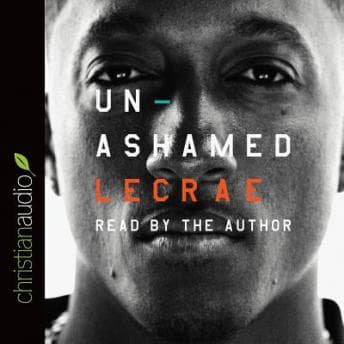
"If you live for people's acceptance, you'll die from their rejection."
That line hit me somewhere around mile three of my drive home after a brutal night shift - the kind where you lose one patient and save another and your brain can't figure out which one to process first. I had this playing low, expecting background noise, maybe something inspirational-lite to smooth the edges. Instead Lecrae opened up about childhood sexual abuse in the first hour and I almost pulled over.
This is not your typical celebrity memoir. Not even close.
The Part Where He Doesn't Flinch
Lecrae could've written the sanitized version. Grammy-winning rapper finds Jesus, cleans up, makes it big. Inspirational poster material. But he doesn't do that. He talks about being molested as a child and then acting out sexually himself as a teenager - that cycle of abuse that anyone in healthcare has seen play out a thousand times. He talks about the abortion he pressured his girlfriend into and how that guilt ate him alive for years. The drugs, the drinking, the suicide attempt.
As someone who's actually worked codes on patients brought in after attempts - I've held those hands, I've watched those eyes - hearing him describe that darkness from the inside hit different. He doesn't dramatize it. He doesn't make it cinematic. He just... tells you. Matter of fact. This happened. Then this happened. And here's the part that still keeps me up at night.
The honesty is almost uncomfortable. Like sitting with a patient at 3 AM when the walls come down and they tell you the real story, not the one they told the admitting doctor. That kind of honest.
When the Author IS the Narrator and It Actually Matters
So here's the thing about author-narrated memoirs - they're a coin flip. Sometimes you get someone who can write but sounds like they're reading a grocery list into a microphone. Lecrae? This man narrates like he's sitting across from you in a diner booth at 2 AM. His voice cracks in the right places. When he talks about his mom, about growing up without his father being present, about the streets in Houston and Atlanta - you can hear the geography in his voice. The cadence shifts. He's not performing. He's remembering.
And the music snippets. They wove actual clips from his songs into the audiobook, and I was NOT expecting that. When he's describing the inspiration behind a track and then a piece of it plays - it's like getting the director's commentary and the movie at the same time. For a 4-hour-18-minute listen, it moves. Nothing felt padded.
Compare this to, say, a ghostwritten celebrity memoir where you can feel the publicist hovering over every paragraph. This has none of that energy. Lecrae's writing is raw in a way that reminds me of the best patient histories I've read - the ones written by the person themselves, not transcribed by someone trying to make it clinical.
The Faith Thing (And Why It Works Even If Church Isn't Your Scene)
Look. I grew up Catholic Filipino. My mom has a Santo Niño in every room of the house. I know faith. I also know when someone's using faith as a shield versus when it's genuinely the thing that pulled them out of the fire. Lecrae is the second one.
His faith journey isn't neat. He talks about being a new Christian and basically becoming insufferable about it - alienating friends, being judgmental, all the rookie mistakes. That messy, non-linear conversion arc reminded me of the Autobiography of St. Ignatius, where the saint himself comes across as genuinely insufferable in his early zeal before the edges wear down - same uncomfortable honesty, just five centuries older. Then he talks about the identity crisis of being "too Christian for the secular world, too secular for the Christian world." That in-between space where neither side claims you? I felt that in my bones. (Try being a Filipina nurse who listens to true crime podcasts and also goes to Mass. The Venn diagram of people who get ALL of me is... small.)
He doesn't preach at you. He just shows you what happened. If faith-based content makes you itch, this might still work for you because it's presented as his experience, not a prescription.
Who Needs This in Their Ears
Perfect for that post-shift decompression - or any drive where you need something real to anchor you after a surreal day. If you've ever struggled with identity, with fitting in, with carrying trauma you didn't ask for - this is your book. If you're a Lecrae fan, obviously. If you're NOT a Lecrae fan but you appreciate a memoir that doesn't pull punches, give it the four hours.
Skip if you can't handle heavy content (abuse, addiction, suicide attempt - the content warnings are real and earned). Skip if you need your memoirs to move at thriller pace. This is contemplative. It sits with things.
Carlos asked why I was crying in the car. I blamed allergies. In May. In Phoenix. He didn't buy it.
Night Shift Prescription
Four hours and eighteen minutes of a man deciding he doesn't have to carry shame anymore. I've watched patients make that same decision in hospital beds - the moment they stop apologizing for being broken and start figuring out how to heal. Lecrae put that moment in an audiobook and narrated it himself, and honestly? The fact that he reads his own journal entries out loud, in his own voice, with his own music threaded through - that's something a print copy simply cannot give you. This is one of those rare cases where the audiobook IS the definitive version.






![Steve Jobs [unabridged audiobook] audiobook cover](/_next/image?url=https%3A%2F%2Fcovers.audiobooks.com%2Fimages%2Fcovers%2Ffull%2F9788499923406.jpg&w=1920&q=75)