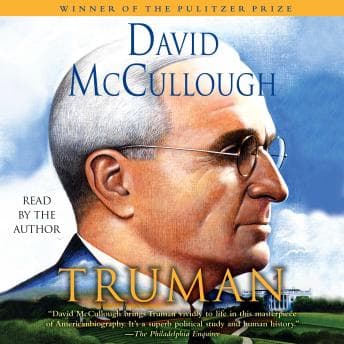

Look, I'll be honest - I almost skipped this one. 54 hours? For a biography of a president most people remember as "the guy who dropped the bomb"? My 2.0x speed finger was already twitching. But here's the thing: David McCullough reading his own Pulitzer Prize-winning work about Harry Truman might be the most efficient use of audiobook time I've encountered in years. And I don't say that lightly.
The metadata says 6 hours, but let me clarify - that's the abridged version. The full experience runs much longer. I listened to the complete version because I'm a masochist who believes in doing things properly. (Jenny would say this is why I'm impossible to live with. Jenny is right.)
When The Author IS The Narrator
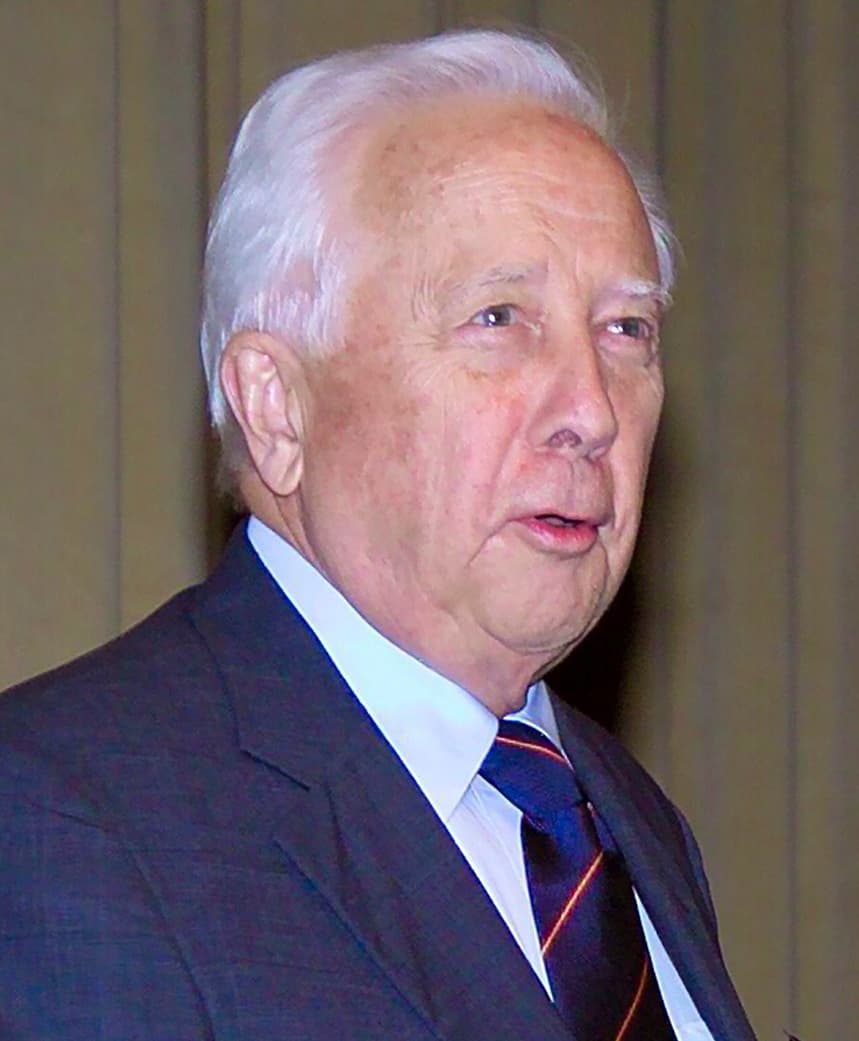
Most author-narrated audiobooks are a gamble. Writers aren't actors. They stumble over their own sentences, breathe in weird places, sound like they're reading a grocery list. McCullough? He sounds like your favorite professor - the one who made you actually care about the Teapot Dome scandal. There's this quiet authority in his voice, an evenness that somehow never gets boring. He's not performing Truman. He's telling you about a man he clearly spent years thinking about, and that investment comes through.
The production team did something smart here - they wove in actual historical recordings. Truman's own speeches. His piano playing. It's not gimmicky. It grounds you in the reality that this wasn't just some historical figure. This was a guy who played Mozart badly and made decisions that shaped the century.
The Missouri Hustle
Here's what got me, and I wasn't expecting this: Truman's story reads like my parents' story. Small-town guy, no fancy pedigree, works his way up through sheer stubbornness and an almost pathological work ethic. His haberdashery failed. He was broke at 38. The Pendergast machine gave him his start in politics - basically Kansas City's version of knowing the right people at the right church.
McCullough doesn't sanitize any of this. Truman wasn't some pure-hearted hero who stumbled into greatness. He was a machine politician who happened to have actual principles underneath the glad-handing. That complexity is what makes the biography worth the time investment. Most business books would've turned this into "7 Leadership Lessons from Harry Truman" and called it a day. McCullough gives you the full messy picture.
The decision-making chapters - Potsdam, the bomb, Korea, firing MacArthur - these are essentially case studies in leadership under impossible conditions. No MBA program teaches you how to decide whether to incinerate two cities. Truman did it with less information than we have now, under more pressure than most CEOs will ever face, and he owned the decision completely. "The buck stops here" wasn't a slogan. It was how the man actually operated.
Where It Drags (And Why That's Okay)
I'm not going to pretend every hour flies by. The early Missouri chapters take their time. The Senate years have stretches where you're learning more about 1930s agricultural policy than you probably need. At 1.5x speed, these sections became manageable. At 2.0x, I missed some nuance I had to go back for.
But here's my counterintuitive take: the slow parts matter. McCullough builds Truman's character brick by brick so that when the presidency hits, you understand why this particular man made these particular choices. It's the opposite of every "hack your way to success" book that skips the boring decades of preparation.
Who This Is For (And Who Should Bail)
If you're in any kind of leadership position - or aspire to be - this is required listening. Not because Truman was perfect. He wasn't. His civil rights record was mixed. His Korea decisions are still debated. But the man made hard calls with imperfect information and didn't hide behind committees or consultants. Skip this if you need quick takeaways or can't commit to the long haul - the abridged version exists, but you'll lose the texture that makes the payoff worth it.
My parents never read leadership books. They just worked. Truman was the same way - a doer in an era of talkers. McCullough captures that without turning it into a TED talk.
One listener said they felt like they'd lost a good friend by the end. That's not hyperbole. I had that same feeling finishing Becoming—Michelle Obama's narrator creates that kind of intimacy over time. Fifty-four hours with anyone will do that. But Truman earns the friendship. And McCullough's voice - steady, unhurried, deeply knowledgeable - makes the journey feel less like homework and more like a very long conversation with someone who actually has something to say.
The Bottom Line
Skip the abridged version. Commit to the full thing. Your commute will thank you for the next month.





![Steve Jobs [unabridged audiobook] audiobook cover](/_next/image?url=https%3A%2F%2Fcovers.audiobooks.com%2Fimages%2Fcovers%2Ffull%2F9788499923406.jpg&w=1920&q=75)