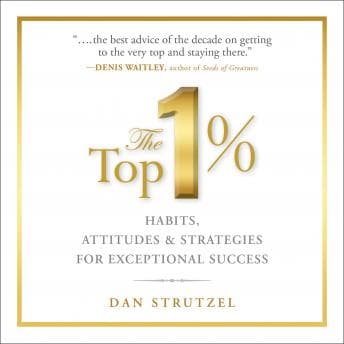

Let's be real for a second. The title triggered my fight-or-flight response. "Top 1%" usually signals one of two things: a political screed or a scammy "buy my course" funnel from a guy renting a Lamborghini. I almost scrolled past.
But then I saw "Dale Carnegie & Associates." That gave me pause. My parents swore by How to Win Friends and Influence People. It was basically the bible in our dry cleaning shop—right next to the actual Bible. So, I gave this a shot. I needed something for a long flight where the Wi-Fi was down, and honestly? It wasn't the disaster I expected.
It was... fine. Actually, in some parts, it was pretty solid.
Here's the thing—the premise is aggressive. It spends a lot of time defending the "1%" income bracket, arguing they aren't villains but people who provide value. (If you're allergic to capitalism, stop reading now. This book isn't for you. You will hate it.)
For the rest of us trying to scale businesses, the core takeaway is the shift from "Consumer Mentality" to "Owner Mentality." This hit home. It's exactly what I watched my parents do for thirty years. They didn't care about the newest TV; they cared about the new pressing machine that could handle 20% more volume. The book argues that the 99% focus on income (salary), while the 1% focus on equity (ownership).
As a consultant, I see this fail constantly. I have friends making $300k a year who are broke because they have zero equity and high burn rates. This book calls that out. Simple, maybe a bit basic, but necessary.
The mindset work here is surface-level compared to something like Untethered Soul, which goes deeper into the internal shifts that actually sustain behavioral change.
Let's talk about Dan Strutzel.
He's the author and the narrator. Usually, that's a red flag—authors often think they can act. They can't. But Strutzel actually sounds like a pro. He's got that smooth, motivational speaker cadence. Clear, articulate, punchy.
However—and this is where the "aggressively efficient" side of me twitched—there is a factual error. He misidentifies the company associated with Jack Welch at one point. (I rewound three times to make sure). Look, if you're writing a business book, you cannot mess up Jack Welch. It's sloppy. My old boss at McKinsey would've shredded the slide deck for less. It doesn't ruin the book, but it made me question the fact-checking on the rest of the stats.
The pacing is a bit slow. I cranked this to 2.0x immediately. At 1.0x, it feels like a lecture you're stuck in. At 2.0x, it's a decent pep talk.
Who Should Listen (And Who Should Skip)
If you're an employee looking to shift toward an ownership mindset, or you need a mindset reset after blaming the economy for your problems—give it a listen. Skip it if you've already internalized Rich Dad Poor Dad or Atomic Habits; this covers similar ground.
Bottom Line: It's not groundbreaking. If you've read Rich Dad Poor Dad or Atomic Habits, this is a remix. But if you need a mindset reset—or you're stuck in a "victim" mentality about the economy—it's a decent kick in the pants. Just don't expect a Harvard case study.