
What happens when the best prose stylist of the twentieth century writes his worst novel - and then somebody hands it to the best kind of narrator?
I'll tell you what happens. You get something genuinely confusing. Something that makes you sit on a bench along the lakefront at six in the morning, earbuds in, coffee going cold, thinking: I know this book is a mess. Why can't I stop listening?
The B-Side Hemingway Nobody Assigns
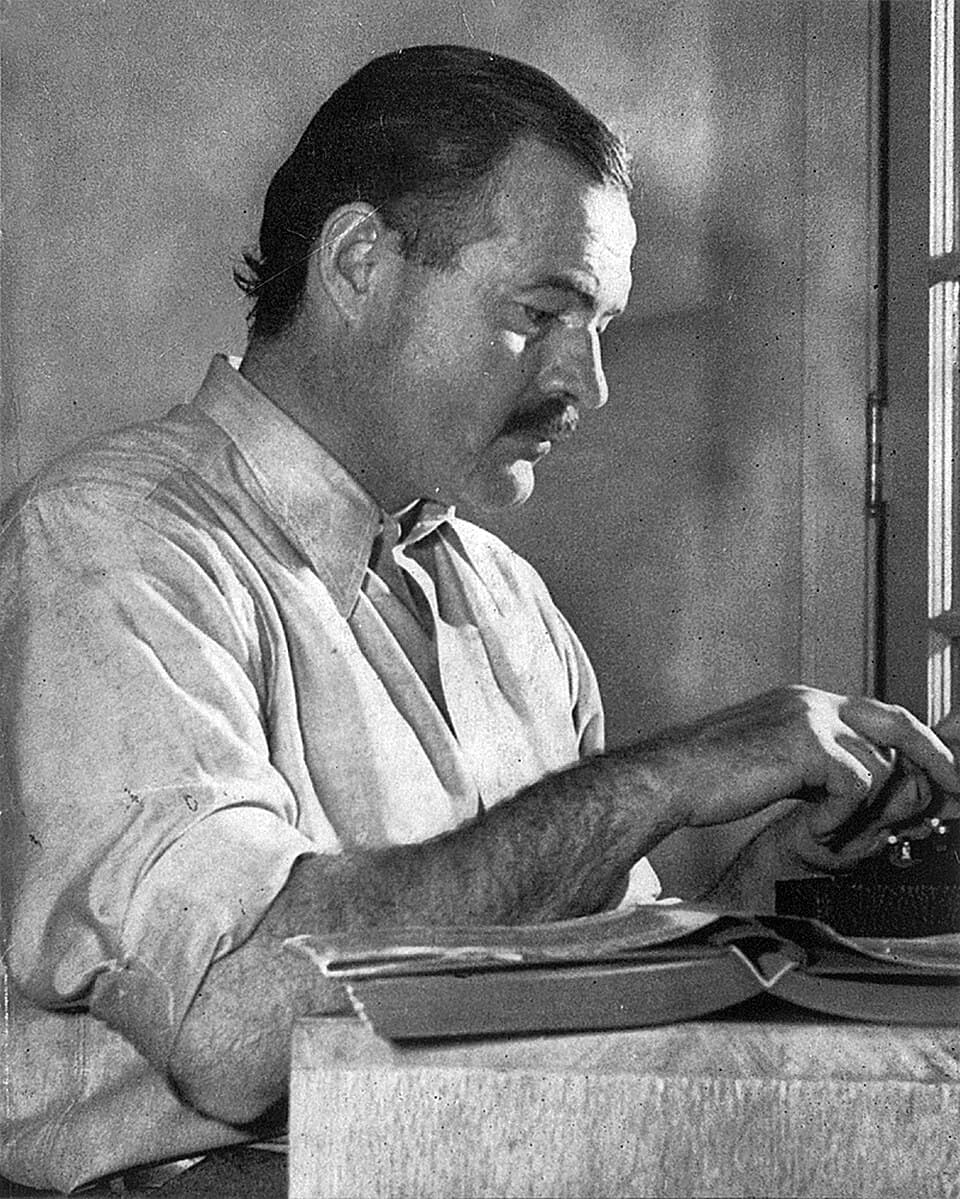
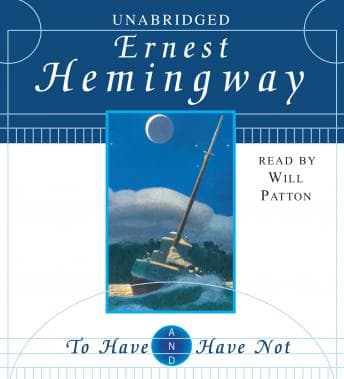
Let me be honest with you. I've taught Hemingway for twenty years. The Sun Also Rises, A Farewell to Arms, the short stories - these are canon, and they earn it. To Have and Have Not is the one I skip in my syllabus. It's the one scholars politely call "uneven." It started as two short stories Hemingway stitched together with a third section, and you can feel the seams. The narrative lurches from Harry Morgan's smuggling runs between Cuba and Key West to these strange, almost voyeuristic glimpses into the lives of wealthy yacht owners - people Hemingway clearly despises but can't stop watching. There are passages in the middle third that feel like Hemingway filling pages while drinking, which - knowing him - he probably was.
But here's what I kept thinking: even bad Hemingway contains sentences that stop you cold. Harry Morgan's dying declaration - "a man alone ain't got no bloody chance" - is reductive and sentimental and also somehow exactly right. The dialogue between Harry and his wife Marie has this rough tenderness that Hemingway rarely let himself write. He's trying to say something about Depression-era America, about the violence that poverty forces onto decent people, and he's saying it clumsily, but he's saying it. My students would hate this. I love it. Or at least I love the bones of it.
Will Patton's Voice Is the Book's Best Editor
This is where things get interesting. Will Patton narrates at this low, craggy register - close to the mic, almost conspiratorial - and it does something the printed page can't do: it smooths over Hemingway's structural problems by making every line feel intimate. The tough-guy dialogue that reads as posturing on the page becomes something sadder and more human when Patton delivers it in these hushed tones. He doesn't do big vocal shifts between characters. Instead he uses subtle shading - a slightly harder edge for Harry, a wearier softness for Marie, a kind of clipped contempt for the rich tourists. It's the difference between acting and performing. Patton acts.
The violent scenes - and there are several, some quite brutal - get this quiet, simmering treatment that's more disturbing than any dramatic reading would be. Patton underplays a gunfight the way Hemingway underplays emotion: by trusting you to fill in what's missing. The narrator understands that pause is punctuation. There's a reason this won an Earphones Award.
At five and a half hours, it's a tight listen. I finished it across two morning walks and one late-night grading session. (The grading didn't go well. Hard to care about sophomore thesis statements when a man is bleeding out on a boat in the Florida Straits.)
The Part Where I'm Honest About the Ugly Stuff
I can't write this review without saying it: Hemingway's treatment of non-white characters here is bad. Not "product of his time" bad - just bad. The Black and Cuban characters are reduced to dialect and stereotype in ways that made me wince, and Patton's faithful reading doesn't soften that. If you teach literature, you learn to hold two things at once: a writer can be brilliant and deeply wrong. This book is Exhibit A. I wouldn't hand it to a student without context. I wouldn't hand it to anyone without context.
Who Gets the Most Out of This
If you've read all the major Hemingway and want to understand the complete picture - the failures alongside the triumphs - this is essential. If you loved The Old Man and the Sea, this is its angrier, messier, less disciplined cousin. Same ocean, same stubborn men, less grace. If you're new to Hemingway, start literally anywhere else. Honestly, if you want a narrator-saves-the-day experience with a book that actually earns it, my notes on The Hobbit are worth a look — that's a case where the performance and the prose are pulling in the same direction from page one.
And if you're a Patton fan? Worth it for the performance alone. He makes a C+ novel feel like a B+ listening experience, which is maybe the highest compliment you can pay a narrator.
Worth Pausing the Faculty Meeting For - Barely
This reminds me of what Hemingway said about writing: "The first draft of anything is garbage." To Have and Have Not sometimes feels like a second draft pretending to be final. But Patton's voice turns it into something worth your time - a flawed, fascinating five hours with a genius operating below his ceiling. The prose deserves to be savored even when the structure doesn't deserve the prose. I listened at 1.0x, as God and Hemingway intended, and I don't regret a minute. Well. Maybe a few minutes in the yacht sections. But only a few.