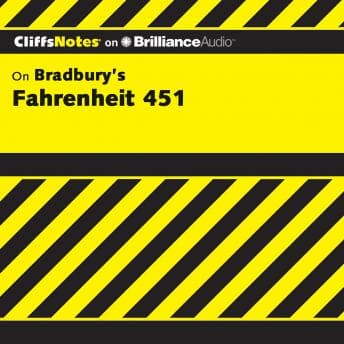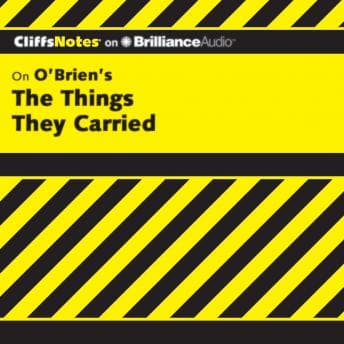

Look, I need to be honest with you from the jump. This isn't Tim O'Brien's The Things They Carried. This is the CliffsNotes study guide. And I listened to the whole thing while grading a stack of sophomore essays on—you guessed it—The Things They Carried. The irony was not lost on me.
I've taught O'Brien's book for fifteen years. Fifteen years of watching seventeen-year-olds slowly realize that war stories aren't about war, they're about truth and memory and the weight we carry long after the bullets stop. So when I saw this audiobook pop up, I thought: why not? Maybe there's something here I've missed. Maybe Tim Wheeler brings some fresh perspective.
The Weird Experience of Listening to Study Notes
Here's the thing about CliffsNotes in audio form—it's bizarre. Like, genuinely strange. You're listening to someone explain themes and symbols that are meant to be discovered, not handed to you on a platter. Wheeler reads through the material competently enough. His voice is clear, his pacing steady. But there's something inherently flat about narrating literary analysis. It's not his fault. The source material is designed to be functional, not beautiful.
I kept pausing to argue with the commentary. (Yes, I talk back to audiobooks. Denise thinks I'm losing it.) When the guide discussed the chapter "How to Tell a True War Story," I found myself muttering about how they'd missed the recursive nature of O'Brien's narrative—how the story keeps folding back on itself, questioning its own truth. But that's the problem with study guides, isn't it? They flatten complexity into digestible chunks.
For students who genuinely need help accessing the text, I get it. Not everyone has a teacher who's spent two decades obsessing over O'Brien's prose. But listening to this felt like watching someone explain a joke. The magic evaporates.
Who Actually Needs This (And Who Should Run)
Let me be real: if you're a student cramming for an exam, this might save your grade. The character analyses are solid. The glossaries are helpful. The critical commentaries hit the major points. Wheeler delivers it all with professional clarity—no weird audio glitches, no distracting background noise. But if you're coming to this thinking it's a substitute for the actual book? Please don't. O'Brien's prose is meant to be experienced, not summarized. The way he writes about carrying M-16s and love letters and fear and guilt—that's not something a study guide can replicate. George Guidall's narration of the actual novel is what you want. His voice has this weight to it, this lived-in quality that makes you feel like you're sitting across from a veteran who's finally ready to talk.
This CliffsNotes version is a tool. A useful one, maybe. But a tool.
The Teacher's Dilemma
I'll admit something that might get my union card revoked: I don't hate CliffsNotes. I know, I know. But here's my take—if a student uses this to supplement their reading, to check their understanding, to prep for discussion? Fine. Good, even. The problem is when it becomes a replacement.
Listening to this while grading those essays, I could tell which students had actually read the book and which ones had just skimmed a summary. The ones who'd read it wrote about specific moments—the way Kiowa sinks into the field, the image of the young man O'Brien may or may not have killed. The summary kids wrote in generalities. "The book is about the Vietnam War and the things soldiers carried." Technically true. Completely missing the point. That same surface-level approach shows up in Grimm's Fairy Tales—you can summarize the plots all day, but you'll miss the darker psychological currents running underneath.
Wheeler's narration is fine for what it is. Four hours of competent delivery. But it's four hours you could spend listening to the actual book, which is roughly the same length and infinitely more powerful.
Mr. Williams's Office Hours Are Over
I'm giving this a middling rating because I can't in good conscience recommend it to anyone except students in genuine academic distress. If you're struggling with the text, if English isn't your first language, if you have a learning difference that makes dense literary prose difficult—okay. This might help. Wheeler does his job.
But for everyone else? Go find the real thing. Listen to Guidall's version. Let O'Brien's words wash over you. Then come back and we can argue about whether the book is memoir or fiction or something in between. (It's something in between. That's the whole point.)
My students would probably love this. They'd listen to it instead of reading. And that's exactly why I'm not telling them it exists.