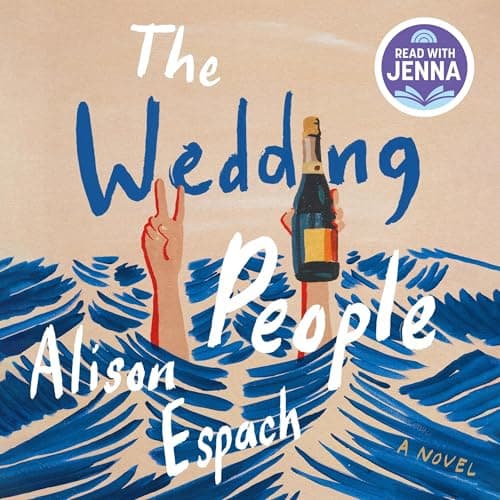

When a novel risks turning a mental health crisis into a quirky plot device, it usually tips its hand in the first ten minutes. Queueing up Alison Espach’s The Wedding People and hearing the opening premise—Phoebe Stone checks into the grand Cornwall Inn in Newport, Rhode Island, wearing an emerald green silk dress and gold heels, carrying zero luggage because she plans to end her life after one last decadent splurge—it is natural to brace for either melodrama or glibness.
Within twenty minutes, it is clear that Espach and narrator Helen Laser understand something vital about human psychology: when you hit rock bottom, the sheer absurdity of other people’s normal lives doesn’t disappear. In fact, it gets louder.
Grief Without the Social Filter
Everyone in the Cornwall Inn lobby assumes Phoebe is one of the wedding guests. She isn’t—she’s the only person in the hotel who isn’t there for Lila’s six-day, meticulously budgeted coastal extravaganza. Lila has spent months accounting for every floral arrangement, weather contingency, and family landmine, except for the depressed adjunct literature professor occupying a suite upstairs.
What makes their collision feel so earned is how Phoebe’s crisis strips away her social filter. When you don’t expect to be around next week, you stop softening the truth for strangers. And Lila—trapped inside the suffocating performance of the "perfect bride"—desperately needs someone who refuses to play along. If you’ve ever watched two people with completely incompatible coping mechanisms accidentally become each other’s lifeline, the psychology here is razor-sharp. It shares that raw, unvarnished intimacy with Normal People, where the unspoken fractures between people matter far more than polite social scripts.
Helen Laser’s Vocal High-Wire Act
Let’s talk about why this audiobook works better in your ears than on the page: Helen Laser is a revelation. She’s an actress and puppeteer by training, and you can hear that physical instinct in how she separates these women in the throat. For Phoebe, Laser uses a dry, slightly flattened register—never monotone, just bone-tired and disarmingly matter-of-fact. That straight-faced delivery is what lets the opening hotel scenes land their dark humor without ever mocking Phoebe’s pain.
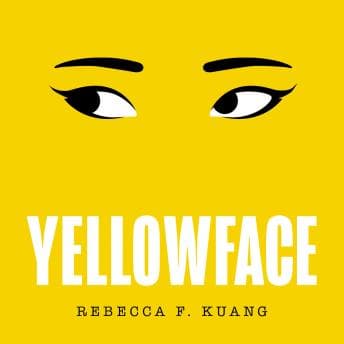
Then she pivots to Lila, whose voice is tighter, faster, and pitched one notch higher with brittle competence. Whenever Lila mimics her future in-laws or members of the wedding party during late-night confessions with Phoebe, Laser layers an impression inside an impression—you can literally hear Lila doing a voice, and it lands with genuine, unforced comedic timing. Laser showed that same gift for razor-edged vocal agility and spiraling self-awareness in Yellowface, though here she channels that precision into tenderness rather than satire.
One Structural Quirk to Plan Around
Listening at 1.25x keeps the dialogue snappy while giving the quieter emotional beats room to land. Two fair warnings before you start, though. First, the book is structured around the days of the wedding week rather than standard short chapters, which means the opening chapter runs nearly three hours straight. If you rely on chapter breaks to pause during a commute, you’ll want to pick your own stopping points.
Second, while the opening premise centers on Phoebe’s suicide plan—and the grief of failed IVF and a hollowed-out marriage—the story never wallows or hands out cheap clinical platitudes. Still, check in with your own headspace before pressing play.
Why Twelve Hours Fly By
Across twelve hours, the tonal balance never slips. The Wedding People earns every bit of its word-of-mouth buzz because it treats chosen connection not as a neat cure, but as the strange, messy interruption that keeps you in the room one more day. Helen Laser’s performance is an empathetic masterclass.