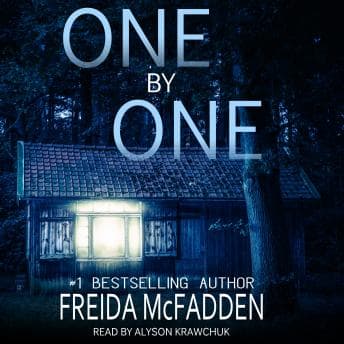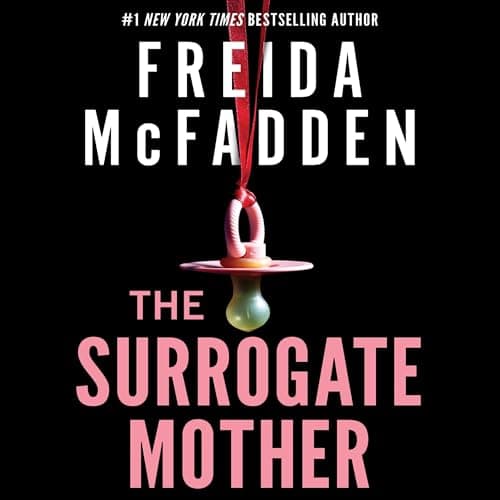

Freida McFadden is a physician. I know this because she's one of the few thriller authors who doesn't make me want to throw my phone out the car window when a medical scene comes up.
I finished The Surrogate Mother at 7:45 AM, parked in my driveway with the engine still running because I had maybe twenty minutes left and Carlos could handle getting the kids cereal for once. The Phoenix sun was already brutal through the windshield, but I wasn't moving. Not with Monica doing what Monica was doing.
The Infertility Storyline Hit Different Than Expected
Look, I've held the hands of women going through fertility treatments. I've watched couples cycle through hope and devastation in the same afternoon. So when Abby's desperation for a baby drives basically every decision she makes - including accepting her personal assistant's offer to be her surrogate - I didn't roll my eyes the way I might have with another author. McFadden gets the emotional weight of infertility right. The way it warps your judgment. The way it makes you say yes to things that any rational person would question.
But here's where it gets tricky. Abby is frustrating. Capital-F frustrating. She ignores red flags like a patient who swears they're not in pain while their heart rate is 140. Monica is clearly off from the jump - the too-perfect helpfulness, the convenient timing of her offer - and Abby just... goes with it. I get it narratively. I understand why McFadden wrote her that way. But I spent a good chunk of this book muttering "girl, NO" at my dashboard like she could hear me.
The twist structure is classic McFadden. She layers misdirections so you think you've figured it out around hour four, feel smug about it, and then she yanks the rug. I won't spoil it, but the reveal about Monica's actual identity and motivation landed harder than I expected. Not because it was completely unpredictable - some of the pieces were there if you were paying attention - but because the emotional logic of it tracked. This wasn't a twist for shock value. It was a twist that reframed everything you'd been listening to. I Am Watching You pulled that same move on me - the kind of reveal that doesn't just surprise you, it makes you replay every earlier scene with new, uncomfortable eyes.
Alyson Krawchuk - The Narration Debate
Okay, so this is where listeners are split and I'm going to be honest about where I land. Krawchuk has a pleasant voice. Clean, easy to follow, good pacing for a thriller that moves this quickly at under eight hours. She handled the tension in the later chapters well - you could hear the shift when things started going sideways.
But. The character differentiation is thin. Abby and Monica don't sound distinct enough for a book where the entire tension depends on you reading between the lines of their interactions. In a story this dependent on "is this woman trustworthy or not," I wanted Monica's voice to carry something underneath - some edge, some sweetness that felt performative. Instead, both women sound... similar. Pleasant. It works fine, it doesn't ruin anything, but it's a missed opportunity.
I've seen some listeners call the narration amateurish, and I think that's too harsh. It's competent. It's just not elevated. For a quick thriller listen, it does the job. If you're someone who needs a narrator to disappear completely into roles, you might notice the seams.
What McFadden Does That Other Thriller Writers Don't
She's a doctor. And it shows in small ways that non-medical people probably won't catch - the way she handles the surrogacy process details, the way medical anxiety is portrayed as a real psychological state rather than a plot device. No one in this book gets "shocked back to life" by a defibrillator while flatlined. (The medical details are accurate. Finally.) The clinical elements are background texture, not centerpiece, but they're correct, and after fifteen years of yelling at audiobooks that think you can restart a heart with paddles and dramatic shouting, I appreciate it more than I can say.
The pacing is tight for seven hours forty-six minutes. This is a one-or-two-shift book. It doesn't waste your time with subplot bloat. McFadden knows what she's doing structurally - setup, slow burn of unease, escalation, reveal. It's formula, sure, but it's well-executed formula.
Where it stumbles is the ending. Without spoilers, the resolution felt slightly rushed after all that buildup. Like when a trauma comes in and you spend four hours stabilizing and then the handoff to the floor happens in ninety seconds. The work was good, but the landing needed another pass.
Who Should Listen (And Who Should Skip)
If you've burned through The Housemaid and Never Lie and you want more McFadden with that same "the person you trust is the person you shouldn't" energy - this scratches the itch. Those Who Leave and Those Who Stay scratched a similar itch for me - different genre entirely, but that same slow-burning dread of watching a woman make choices you can see are going to cost her. It's not her strongest (I'd put The Housemaid above it), but it's solid mid-tier McFadden, which is still better than most domestic thrillers on the shelf.
Skip it if you need complex, deeply unpredictable plotting where you genuinely cannot see any twist coming. Some of the reveals are guessable if you read enough in this genre. That's not a dealbreaker for me - I don't need to be fooled, I just need to be entertained - but know what you're getting.
Night Shift Approved, With a Caveat
Perfect for that post-shift decompression. Fast enough to keep you awake on the drive home, engaging enough that you won't zone out during the quiet stretches. Carlos asked why I was sitting in the driveway with the car running. I told him I was on the phone. He didn't need to know I was yelling at a fictional woman about her terrible life choices.
My mom would love this. She'd also spend the entire time saying "see, this is why you should've been a doctor - even the thriller writers are doctors now." Thanks, Mom.