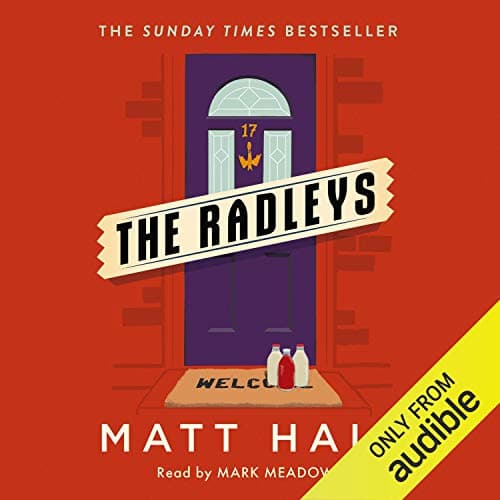
What would you actually do if your whole family identity turned out to be a lie - and also, vampires?
I picked up The Radleys during one of those desperate-for-distraction weeks where Sophie was cutting molars and nobody in this house was sleeping. Which, honestly, is kind of perfect for a book about a family of abstaining vampires who also can't sleep. I started it on a Tuesday afternoon, parked in the school pickup line twenty minutes early with my seat reclined and the AC on, and I was genuinely surprised how quickly it pulled me in.
Suburban Vampires Who Shop at Waitrose
Here's the premise: the Radleys are vampires living in a posh English village called Bishopthorpe, but they've been "abstaining" - basically vampire teetotalers - for years. Their teenage kids, Clara and Rowan, don't even know what they are. They just think they have weird sun allergies and can't stomach garlic. That whole premise of kids stumbling into a supernatural identity they were never told about scratched the same itch as Sombra y hueso [Shadow and Bone], which I listened to earlier this year and kept thinking about for weeks. Clara's a vegan who can barely look at a rare steak without gagging, which is such a specific kind of irony I actually laughed out loud in my car. The dark humor in that setup reminded me of Whiskey Neat — another one that plays a straight face while everything around it is quietly absurd.
The whole thing kicks off when Clara gets attacked walking home from a party and her dormant vampire instincts take over in a very bloody, very not-vegan way. And then the parents have to call in Uncle Will - Peter's brother, who is absolutely NOT abstaining - and everything spirals from there.
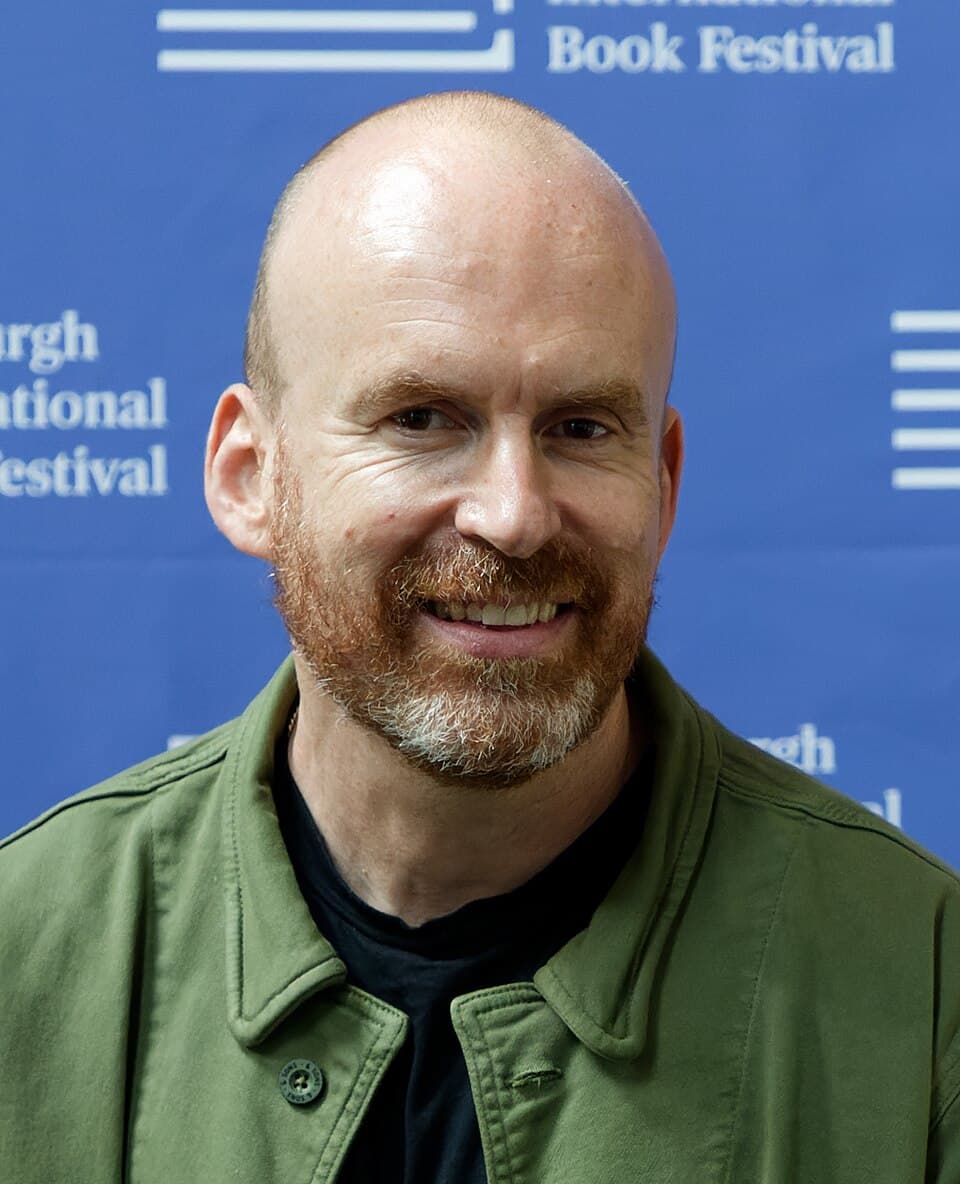
Matt Haig uses the vampire thing as this not-so-subtle metaphor for suburban repression. The Radleys deny what they are, slather on sunscreen, attend dinner parties, drink wine instead of blood, and slowly suffocate under the weight of pretending to be normal. As a woman who once hid in her pantry eating a sleeve of Oreos so her kids wouldn't see - I felt that on a spiritual level.
Mark Meadows Earns His Fang Marks
Mark Meadows does this thing with Uncle Will's voice - gives him this low, slightly amused drawl that's equal parts charming and unsettling. You can hear Will sizing up every person in every room. Compare that to Peter, the dad, who Meadows voices with this tight, clipped anxiety that practically radiates "I am one bad day from falling apart." The contrast between the two brothers is the engine of the whole book, and Meadows makes you feel the tension between them without anyone having to spell it out.
Helen, the mom, gets this quiet, controlled delivery that cracks just slightly when things start unraveling. And the teenage characters sound like actual teenagers - slightly annoyed, slightly confused, very certain the world is unfair. It's a warm, almost cozy narration for what is technically a horror-adjacent story, and it works. He leans into the dark comedy without camping it up too much (okay, maybe a little camp, but it's vampires - you're allowed).
The "Midnight Library" Shadow
Let's address the elephant: if you're coming to this from The Midnight Library, recalibrate your expectations. This is earlier Haig, written before he hit that massive stride, and it reads more like a quirky British dark comedy than a life-affirming philosophical journey. It's lighter, stranger, and honestly a little uneven in places. The police investigation subplot felt like it was running on a different clock than the family drama, and there were stretches in the middle where I lost the thread of why I should care about the neighbors.
But the family stuff? The Radley family dynamics - the secrets, the resentment, the desperate love underneath all the lying? That hit home. There's a scene where Peter is basically arguing with himself about whether to break his abstinence, and it's written with this aching self-awareness that made me pause the audiobook while folding laundry and just... sit with it for a second. (Sophie threw a sock at my head. Moment ruined. But still.)
At 9 hours 45 minutes, it's right in my sweet spot. I finished it in about a week and a half of normal chaotic-life listening. Survived 47 pauses and still made sense - the chapter structure is clean enough that you can pick it back up after a toddler emergency without rewinding.
Who Should Listen (And Who Should Skip)
If you want a perfect book, this isn't it. The metaphor gets heavy-handed in spots, and the ending wraps up a little too neatly for what it's trying to say about the cost of self-denial. Skip it if you're after pure horror or expecting The Midnight Library part two - you'll be disappointed. But if you want something smart and funny and surprisingly tender about a family falling apart and maybe, possibly, putting itself back together? Car time approved.
Not groundbreaking, but sometimes you don't need groundbreaking. Sometimes you need a story about vampires in the English suburbs who are basically just a really dysfunctional family, narrated by someone who clearly had a great time doing it. My book club will love this (if I ever have time for book club again).