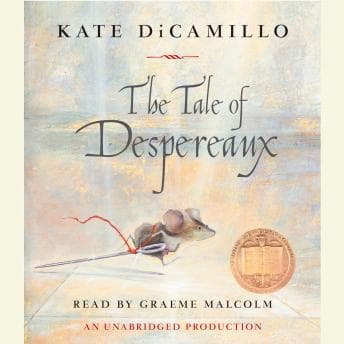

Kate DiCamillo wrote a D&D campaign for mice, and I mean that as the highest possible compliment.
Look, I was supposed to be debugging my procedural generation algorithm. Instead, I spent three and a half hours listening to a mouse fall in love with a princess while my code sat there judging me. Worth it. Completely worth it.
The Magic System Is... Wait, It's Just Love?
Here's the thing about Despereaux Tilling: he's basically a bard who dumped all his stats into Charisma and nothing into self-preservation. Born with his eyes open (unheard of for mice), obsessed with music and stories, and absolutely smitten with a human princess. The other mice think he's defective. The Mouse Council literally sentences him to death in the dungeon for talking to humans.
This is not your typical children's book. There's a death sentence. There's a rat named Roscuro whose entire character arc hinges on a single drop of soup falling on his head. There's Miggery Sow, a serving girl who's been hit on the ears so many times she's gone partially deaf, and whose only dream is to become a princess. DiCamillo weaves these threads together with the precision of someone who's actually thought about cause and effect, about how darkness creates more darkness, and how light—well.
My D&D group would absolutely eat this up. It's got the dungeon crawl, the unlikely hero, the princess in the tower (sort of), and that Sanderson-level attention to how actions ripple outward.
Graeme Malcolm: The Dungeon Master You Didn't Know You Needed
Malcolm does this thing where he addresses you directly. "Reader," he says—except it's "Listener" for us—and suddenly you're not just hearing a story. You're being told one. By someone who knows exactly what's coming and is savoring your ignorance.
His British accent gives the whole thing this fairy tale weight, like he's reading from an illuminated manuscript in some Oxford library. The mouse voices are properly small without being squeaky. Roscuro the rat gets this oily, wounded quality that makes you understand exactly how a creature could be ruined by a single moment of cruelty. And Miggery Sow—okay, some listeners found her portrayal off-putting, and I get it. She's written as slow-witted, and Malcolm leans into that. It's uncomfortable. It's supposed to be.
The transitions between characters are smooth as butter. No jarring shifts, no wondering who's speaking. At three and a half hours, this is basically a one-sitting listen if you're on a decent road trip or, hypothetically, procrastinating on your thesis.
When Children's Books Hit Different
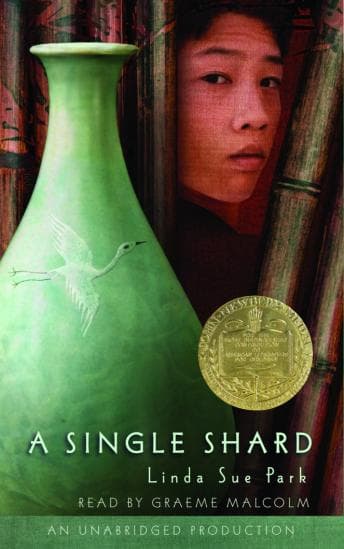
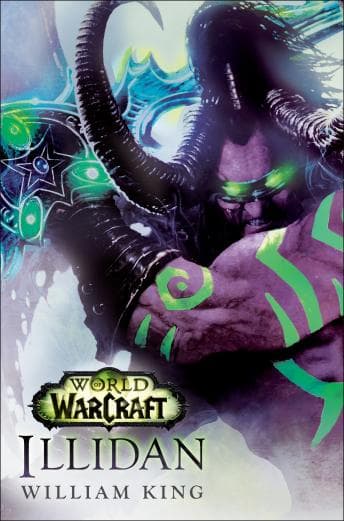
I'll be honest—I picked this up because I needed something short after a 40-hour epic fantasy binge. Steven Pacey's Logen Ninefingers voice was still echoing in my skull and I needed a palate cleanser. Graeme Malcolm actually does some similarly heavy lifting in Illidan: World of Warcraft—completely different register, but that same quality of a narrator who genuinely inhabits the darkness of a character rather than just reading around it. But DiCamillo doesn't write down to kids. She writes about forgiveness and revenge and the stories we tell ourselves to survive, and she does it with a mouse and some soup.
There's this moment when the narrator explains what "perfidy" means, then asks if you know what it means, then tells you to look it up. It's cheeky. It respects the listener's intelligence while acknowledging that maybe you're eight years old and haven't encountered medieval betrayal vocabulary yet.
The whole book has that energy. Biblical references sit next to slapstick rat politics. Classical literature nods bump against genuine emotional gut-punches. DiCamillo built a world with consistent internal logic and then populated it with characters who feel things deeply.
Who Should Roll Initiative (And Who Should Sit This One Out)
If you've got kids between 6 and 12, this is a fantastic family listen for car trips. The chapters are short, the action is clear, and there's enough darkness to keep adults engaged without traumatizing anyone. (Though maybe preview if your kid is sensitive—the dungeon stuff is genuinely creepy.)
If you're an adult who appreciates fairy tales with teeth? Get in here. If you need everything to be grimdark and "mature"? Maybe skip this one. But you'd be missing out.
And if you've only seen the movie adaptation—the audiobook is a completely different experience. More layered, more strange, more willing to sit in uncomfortable truths about how people become who they are.
Roll a Wisdom Save and Just Listen
Three and a half hours. That's it. That's less time than I spend each week pretending to work on my thesis while actually reading r/Fantasy. Graeme Malcolm turns DiCamillo's already beautiful prose into something that feels like being read to by the world's most literate grandfather—one who isn't afraid to talk about darkness and light and the soup that started it all.
The Newbery Medal wasn't a fluke. This one earned it.