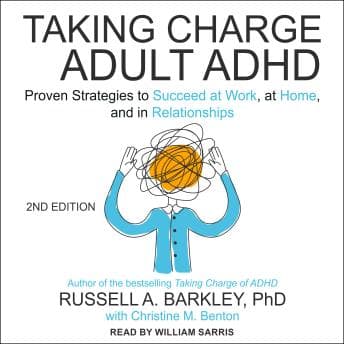

What happens when a leading ADHD researcher tells you that your brain is fundamentally different—not broken, not defective, but operating on different hardware than the neurotypical world was built for?
I was chopping onions at 10 PM (elaborate biryani, don't ask) when Barkley dropped this reframe, and I had to set down my knife. As someone who studies how people construct their identities through narrative, I found myself asking: why does this book hit so differently than the dozen other ADHD resources out there?
The Uncomfortable Mirror Nobody Asked For
Here's the thing about Barkley. He doesn't coddle you. Some listeners found his approach insulting and depressing—and I get it. He presents ADHD not as a quirky superpower or a creativity enhancer, but as a genuine executive function disorder that affects time perception, emotional regulation, and the ability to translate intention into action. The protagonist exhibits classic avoidance patterns, I kept thinking. Except the protagonist is... you. The listener.
This is a fascinating case study in how we receive difficult truths. The research shows that people with ADHD often have decades of shame and failure narratives baked into their self-concept. That intersection of identity and systemic struggle shows up differently in Heartland, where Smarsh examines how economic narratives shape self-worth across generations. So when Barkley says "your working memory is impaired" with clinical directness, it can feel like confirmation of every terrible thing you've believed about yourself. Or—and this is the psychological pivot—it can feel like finally having a name for the monster under your bed.
I found myself in the second camp. There's something almost liberating about a clinician who refuses to minimize the struggle while simultaneously offering concrete strategies.
When Science Gets Practical (And Actually Usable)
At 10 and a half hours, this isn't a quick listen. But Barkley earns the runtime. He moves from neurobiology to medication facts to daily life strategies with the kind of systematic approach that—ironically—ADHD brains often struggle to follow. The sections on emotional self-control and time management aren't the usual "try a planner!" advice. He explains *why* time blindness happens neurologically, then offers workarounds that account for how ADHD brains actually function.
The chapter on building a successful career particularly stood out. Barkley discusses job selection, disclosure decisions, and accommodation strategies with the practicality of someone who's helped thousands of adults navigate these exact situations. No inspirational fluff. Just: here's the problem, here's the science, here's what works.
William Sarris delivers all of this in a steady, professional tone. He's not doing character voices or dramatic readings—this is straight informational narration. For a book this dense with clinical information, that's probably the right call. Though I'll admit, around hour seven, I wished for a bit more vocal variation to help my attention stay anchored. (My therapist would have thoughts about the irony of an ADHD book losing my attention, but here we are.)
Why This Book Splits Listeners Down the Middle
I understand why this book generates such divided reactions. Some listeners call it the best resource they've found on ADHD. Others felt demoralized by what they perceived as a negative message. What makes Barkley compelling is that he treats ADHD seriously enough to be honest about its challenges.
Psychologically, this tracks. People at different stages of acceptance will receive the same information very differently. If you're still hoping ADHD is just a focus issue that willpower can fix, Barkley will feel harsh. If you've already accepted that your brain works differently and you need actual strategies, he'll feel like the first person who truly gets it.
This isn't a feel-good book. It's a get-things-done book.
Who This Works For (And Who Should Maybe Wait)
This is for adults who are past the denial stage and ready for actionable information. If you want validation that ADHD is actually a gift, look elsewhere. If you want a clinical professor to hand you evidence-based strategies without sugarcoating the difficulties, this is your resource.
Skip it if you're newly diagnosed and still processing, or if you need a gentler introduction to the topic. The directness that some find empowering, others find demoralizing. But if you're tired of ADHD content that treats you like you just need to "try harder" or "believe in yourself"? Barkley assumes you've been trying. He's here to explain why it hasn't been working and what to do about it.
Case Closed, With Ongoing Sessions Recommended
I finished the last chapter while the biryani was finally done (three hours later than planned, naturally). Barkley left me with something I didn't expect from a self-help audiobook: a genuinely different understanding of executive function and its role in daily life. Not just for people with ADHD, honestly. The framework applies to anyone interested in how brains translate intention into action.
Is it a comfortable listen? No. Is it a useful one? Extremely. Sometimes the books that help most are the ones that refuse to tell you what you want to hear.