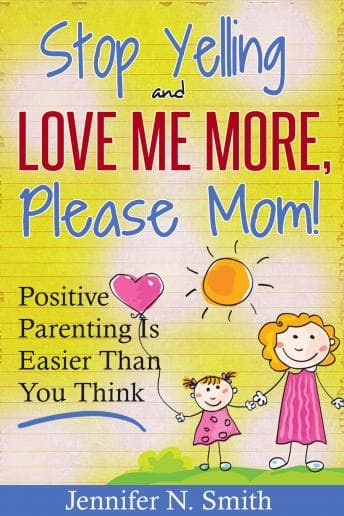

Okay, so here's the thing - I have a complicated relationship with parenting books. I don't have kids. What I do have is a PhD in psychology and approximately seventeen years of studying why humans do what they do to each other, especially within families. So when a book called 'Stop Yelling And Love Me More, Please Mom!' popped up in my queue, I thought: let's see what we're working with here.
And honestly? I was pleasantly surprised. Not because it reinvented the wheel - it didn't - but because Jennifer N. Smith actually understands something fundamental about human behavior that a lot of self-help books miss entirely.
The Psychology Actually Tracks
Here's what caught my attention during my morning jog through Cambridge (yes, I listen to parenting books while running, my therapist would have thoughts about this character choice). Smith doesn't just tell parents to stop yelling. She asks them to examine why they're yelling in the first place. The research shows that reactive parenting patterns are often intergenerational - we parent how we were parented unless we consciously interrupt that cycle. Smith gets this.
The book spends real time on triggers. On healing yourself before you can heal your relationship with your kids. This is how self-help can actually be therapeutic when it's grounded in genuine psychological principles rather than just platitudes. 10% Happier does something similar - Dan Harris grounds mindfulness in neuroscience rather than woo-woo, which is exactly why it works. Smith walks you through recognizing stress-response patterns without making you feel like garbage about them.
At just over an hour, it's not trying to be comprehensive. It's trying to plant seeds. And for that purpose? It works.
Meg Price Knows What She's Doing
I couldn't find much about Meg Price's broader narration work online, but based on this performance, she knows exactly what she's doing. Her voice is warm without being saccharine - which matters enormously for this kind of content. Nothing worse than a narrator who sounds like she's lecturing you about your parenting failures while simultaneously trying to sell you essential oils.
Price hits this sweet spot of being clear and soothing without putting you to sleep. When Smith discusses the damage that chronic yelling can do, Price doesn't oversell it. She just... says it. And somehow that makes it hit harder.
I listened to this over two short sessions - one jog and one while making dal that I'd eat alone (don't feel sorry for me, I prefer it). The pacing felt right for both. Nothing dragged. Nothing felt rushed.
Who Should Hit Play (And Who Should Skip)
Let me be direct: if you're a parent who's been struggling with yelling and you feel terrible about it, this book will feel like someone finally understands. It's not going to fix everything in sixty-three minutes. But it might give you a framework. A starting point. Permission to be imperfect while you figure it out.
If you're looking for deep academic research on child development, this isn't it. If you want a comprehensive parenting manual, look elsewhere. But if you need someone to gently explain that you're not a monster, you're just a human who needs to do some work - and here's how to start - this delivers.
What makes this book compelling is its accessibility. Smith writes like she's talking to a friend, not presenting at a conference. (I say this as someone who presents at conferences and knows exactly how insufferable we can be.) The content is practical without being preachy.
My one hesitation: the title. It's a lot. 'Stop Yelling And Love Me More, Please Mom!' reads like it was optimized for Amazon search algorithms rather than actual human consumption. But the content inside is better than the packaging suggests.
The Academic's Verdict (For What It's Worth)
For parents actively struggling with reactive parenting patterns? Absolutely. Pop this on during your commute. It's short enough to finish in a week of drives, and Meg Price's delivery makes it genuinely easy to absorb.
For my fellow psychology nerds without kids who just like understanding human behavior? It's a quick, interesting listen. Nothing groundbreaking, but solid application of attachment and behavioral principles in an accessible format.
Just maybe don't listen to it while your mother is in the car. That's a conversation waiting to happen.