
When do you actually stop and look at something? Not glance at it, not photograph it for Instagram, but actually stop and look?
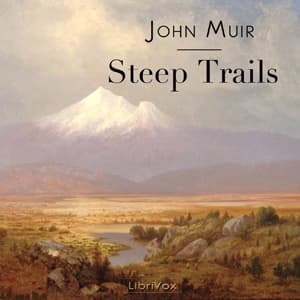
I asked myself that somewhere around mile three of a trail near Sedona last month, Carlos's hiking boots squeaking on the red rock, the kids complaining about the elevation. I'd downloaded Steep Trails the night before because I needed something for the drive up - nine hours of Muir essays felt right for a family trip into the desert. I did not expect to feel like I was being gently, firmly scolded by a man who died in 1914.
What Muir Does That Nobody Else Does
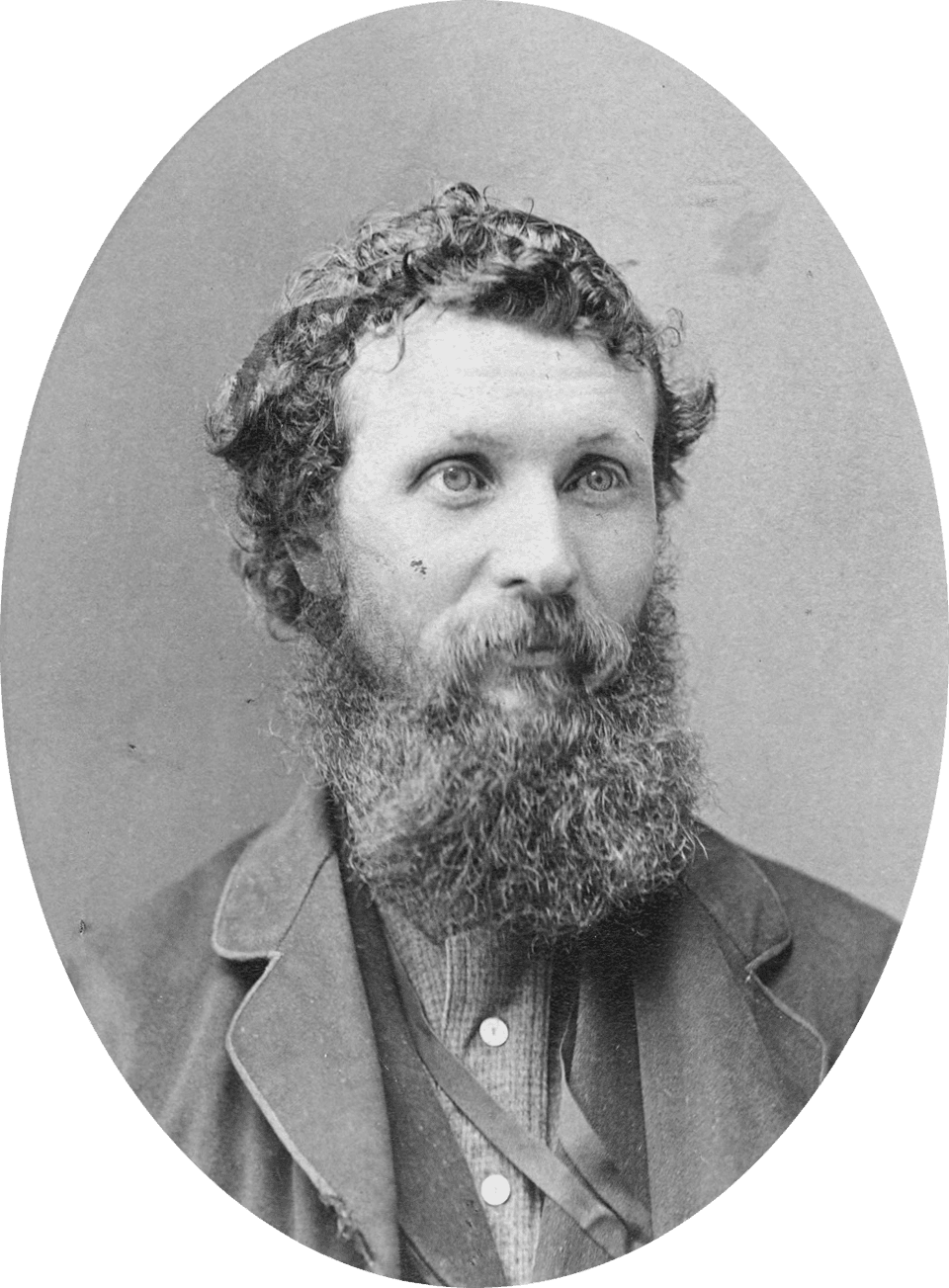
Here's the thing about John Muir: the man watched a storm from the top of Mount Shasta. Not from a ranger station. Not from a car. He climbed to the summit, got caught in a violent storm, and spent the night clinging to a hot spring vent to survive - basically using geothermal heat like a very dangerous electric blanket. And when he writes about it, he's not performing toughness. He's genuinely curious about the experience. The wind, the ice, the sulfur. He's taking notes in his head while hypothermia is trying to kill him.
As someone who has actually worked a code, I can tell you: that specific combination of clinical observation and genuine terror is rare. Most people in survival situations either panic or go numb. Muir went... scientific. It's bizarre and completely believable and I found myself pausing the audiobook in a parking lot in Sedona just to sit with it.
The Nevada ghost town essays hit differently too. He's writing about dead mining towns and Indigenous people harvesting pine nuts and entire ecosystems that were already disappearing when he was alive. The editor's note mentions that fire, axe, plow, and gunpowder made away with the wildernesses Muir saw - and reading that in 2024, driving through Phoenix sprawl, I felt it. The man was watching the world end in slow motion and writing it down with the precision of someone who understood exactly what was being lost.
This is not a thriller. There's no plot. But there are moments that hit harder than most thrillers I've listened to this year. Though I'll admit the thrillers I keep reaching for lately tend to be the kind that unravel slowly rather than explode — Second Wife had that same creeping dread quality that stays with you on a long drive.
The LibriVox Problem (Let's Be Honest)
Okay. The narration. I have to be straight with you.
LibriVox volunteers are doing God's work - free audiobooks of public domain texts, recorded in people's home offices and spare bedrooms, donated to the world. I respect this enormously. I also respect you enough to tell you the quality is... uneven. Some narrators are genuinely good. Others sound like they're reading a grocery list in a slightly echoey bathroom. The pacing shifts chapter to chapter in ways that can yank you out of Muir's prose right when you're getting into it.
Muir's writing has a rhythm - long, rolling sentences that build like weather systems. When a narrator matches that rhythm, it's genuinely beautiful. When they don't, it's like someone interrupting your patient mid-sentence to ask about their insurance. You lose the thread. You have to find it again.
I ended up listening to some chapters twice - once to register the narration, once to actually hear the words. That's not ideal for a commute-decompression listen.
Who This Is Actually For
If you're already a Muir devotee, you're listening to this regardless of what I say. The content is worth it. Just go in knowing you're getting a patchwork quilt of recording quality, not a polished production.
If you're new to Muir, I'd actually suggest starting with My First Summer in the Sierra with a better narration before you come here. Get hooked on his voice in better audio conditions, then come back for this one.
If you're someone who works nights and drives home through a city that didn't exist fifty years ago, past construction sites eating up the last of the desert scrub - this one will hit you somewhere specific. I'm not going to say it made me cry on the I-10 at 7 AM. I'm going to say Carlos asked why my eyes were red when I got home and I said allergies.
Stream it. Don't buy it. The content deserves four stars; the production knocks it down to three and change. But Muir on a desert highway at sunrise, even through uneven audio - there are worse ways to decompress.