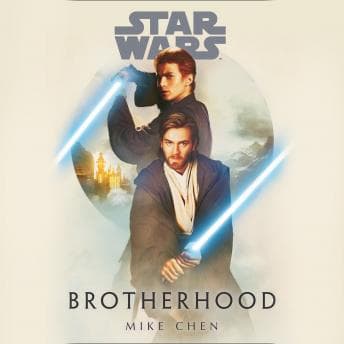

"The Force is a tool, Mace. Like a hammer, or a hydrospanner."
Somewhere around the two-hour mark, when Mace Windu is trudging through jungle hell and philosophizing about the difference between Jedi peacekeeping and actual war, I realized I'd stopped pretending to work on my thesis entirely. My advisor would be disappointed. I am not.
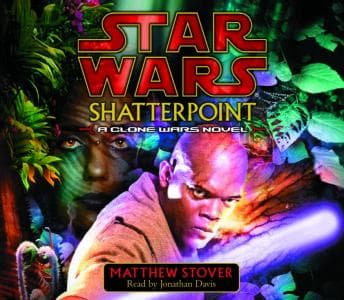
Matthew Stover does something here that most Star Wars novels don't even attempt—he makes you feel the weight of being a Jedi during wartime. Not the cool lightsaber stuff. The ugly parts. The parts where your former student might have gone full Kurtz in the jungle and you're the only one who can bring her back. Or put her down.
This Is Apocalypse Now With Lightsabers (And I Mean That)
Haruun Kal is not Coruscant. It's not even Tatooine-level hospitable. Stover builds this jungle hellscape with the kind of obsessive detail that would make Sanderson nod approvingly. The local Force tradition—they call it pelekotan, the jungle itself as a living will—functions almost like a competing magic system to standard Jedi philosophy. Dune does something similar with the Bene Gesserit's way versus Fremen mysticism—competing systems of power that force the protagonist to choose. It's not just window dressing. The tension between Mace's Jedi training and his Korun heritage drives the entire narrative.
The problem? This is the abridged version. Six hours and fifteen minutes when the full novel deserves twenty.
You can feel where they cut. Transitions that should breathe get compressed. Character moments that probably landed harder in print get summarized. It's like reading a wiki summary of your favorite D&D campaign—you get the plot beats, but you lose the table talk that made it matter.
Jonathan Davis Carries What's Left
Davis is doing heavy lifting here. His Mace Windu has this controlled intensity that sells the character's internal conflict—the Jedi Master who created Vaapad, a lightsaber form that channels your own darkness against your enemies. That's a wild concept that the movies never touched, and Davis makes you believe Mace is constantly one bad day from the edge.
The Star Wars audiobook production is exactly what you'd expect. Blaster fire. John Williams-adjacent score swelling at the right moments. The full cinematic treatment. It's first-class post-production that almost—almost—makes up for the missing content.
But here's my issue: I can't tell you how Davis differentiates the supporting cast because the abridgment doesn't give them room to breathe. Nick Rostu, the local guide with questionable morals, gets some good moments. Depa Billaba herself is more presence than character for most of the runtime. That might be intentional horror movie stuff—keeping the fallen Jedi mysterious—or it might be the editing knife. I genuinely can't tell.
The Shatterpoint Concept Is Chef's Kiss
Okay, so Mace's unique Force ability—seeing shatterpoints, the critical stress fractures in people, situations, even the Force itself—is Sanderson-level magic system design. I got the same thrill from Theft of Swords when Royce's abilities turned out to have specific limitations and costs—not just generic rogue stuff. It's not just "I'm strong in the Force." It's a specific, limited, thematically relevant power that costs something to use. Stover actually thinks through the implications. Mace can see exactly how to break things. People included. And he has to choose not to, constantly.
This is the Mace Windu novel the prequels owed us. Samuel L. Jackson got to look cool and die dramatically, but Stover gives him an actual interior life. The meditation on violence—when it's justified, what it costs, whether peacekeepers can wage war without becoming the thing they fight—hits different when you're watching the Clone Wars spiral in real time.
Who Should Brave the Jungle (And Who Should Skip)
If you want a quick Star Wars fix with premium production value and you're okay with the abridged format, this delivers. Davis is excellent, the sound design is immersive, and Stover's philosophical edge makes it feel weightier than typical EU fare. Skip this if you're a completionist who needs every world-building detail—grab the print novel instead. The audiobook is a highlight reel of a much longer, probably better story.
Content warning: this gets genuinely dark. Graphic violence, war crimes, the whole "heart of darkness" package. Not your kid's Star Wars.
Roll Initiative on Your Backlog
I listened to this instead of writing my thesis chapter on procedural narrative generation. Worth it? Mostly. The magic system is chef's kiss, the themes are meaty, and Davis sells the hell out of Mace's controlled intensity. But that abridged runtime haunts me. Somewhere out there is a twenty-hour version of this story, and I want it.
My D&D group would absolutely mine this for morally grey Jedi NPCs. That's the highest compliment I can give.