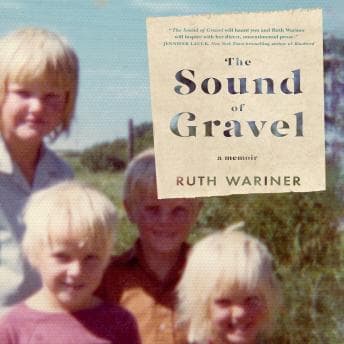

Okay, I need to vent. Who gave Ruth Wariner the right to take my heart, stomp on it, and then leave me sobbing into my keyboard at 2 PM on a Tuesday?
I picked this up thinking, "Oh, a memoir about a cult, that's interesting." No. It's not just interesting. It's devastating. I was trying to work on a logo for a local bakery—supposed to be cute, whimsical stuff—and there I am, tears literally dripping onto my trackpad. (Frida, my cat, looked at me like I was losing it. She wasn't wrong.)
The Voice of Survival
Let's be real for a second. I almost returned this audiobook in the first fifteen minutes.
I'm a narrator snob. You know this. I want the drama, the velvet voices, the acting. Ruth Wariner narrates this herself, and she is... quiet. Flat, even. If you're used to professional narrators who do fourteen different accents and emotional gymnastics, this is going to feel weird. It felt monotone to me. I was literally sitting there thinking, "Girl, you lived this! Why do you sound so calm?"
But then—somewhere around the second hour—it clicked.
This isn't a performance. It's a witness statement. The flatness? That's not bad acting. That's trauma. That's the voice of a girl who learned that making noise gets you hurt. Once I realized that, the "monotone" delivery stopped annoying me and started haunting me. It made the horrific parts hit way harder than if she'd been wailing. It's candid in a way that feels illegal to listen to. Like I'm eavesdropping on a therapy session she didn't know was being recorded.
Not My Abuela's Mexico
My family is from Mexico. I grew up on stories of ranches and hard work and big families. But this? This is a nightmare version of that.
Ruth was the thirty-ninth of her father's forty-two children. Forty-two. Let that sink in. The sheer logistics of neglect in this book are infuriating. They lived in this colony in rural Mexico—LeBaron—without electricity or plumbing, just endless dust and poverty. And the gravel. The sound of tires on gravel meant someone was coming, and it was rarely good news.
The manipulation tactics here—the way authority figures twisted faith into control—reminded me of the showmanship I saw in Life of P.T. Barnum, except infinitely darker and aimed at vulnerable children instead of paying crowds.
There were moments describing the hunger and the abuse where I had to pause. Just stop the audio and breathe. It's not the telenovela drama my Abuela loved where the villain twirls a mustache. The villains here are stepfathers and "prophets" who use God as an excuse to be monsters. (And honestly, nothing makes me angrier than men using religion to hurt kids. Abuela would have been clutching her rosary so hard it would've snapped.)
Who This Is (and Isn't) For
If you need high-energy narration to stay engaged, you might struggle here—consider bumping the speed to 1.25x if the pacing drags for you. Skip this one if you're looking for a cozy Sunday listen or if content involving child abuse is too much right now. But if you can settle into Ruth's quiet, steady voice? If you want something raw and unpolished and painfully real? This one will wreck you in the best way.
Still Thinking About It Over Cold Coffee
This isn't a "fun" listen. It's a gut punch.
I didn't finish that bakery logo today. I just sat on the floor with Diego (the nice cat) and appreciated my boring, safe apartment. Sometimes a book does that to you.