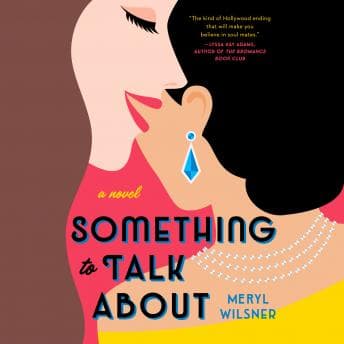

Look, I need to talk about something that's been bugging me. This book opens with a red carpet scene where a showrunner and her assistant get photographed together and suddenly the entire tabloid universe decides they're a couple. And my first thought was - that's the scandal? A woman made another woman laugh? In Hollywood? Have these fictional paparazzi never seen two coworkers exist near each other before?
But here's the thing. The more I sat with it, the more I realized Meryl Wilsner absolutely nailed why that small moment becomes enormous. Because Jo Jones isn't just any showrunner - she's known for being ice-cold, unreachable, the kind of boss who doesn't smile. So when she's caught on camera genuinely laughing with her assistant Emma, it IS news. That contrast is the whole engine of this story, and it works.
The Slow Burn That Actually Earns Its Name
I was on my third consecutive night shift when I started this one. You know those 3 AM stretches where the unit goes quiet and you're charting and your brain needs something to chew on that isn't another set of vitals? This was perfect for that. Because Wilsner takes her TIME. The power dynamic between Jo and Emma - boss and assistant, significant age gap, career implications - gets handled with the kind of careful attention I wish more romance writers would bother with.
Emma doesn't just fall for Jo because Jo is powerful and attractive. She falls for the version of Jo that nobody else gets to see - the one who stress-eats Sour Patch Kids during script rewrites, who gets vulnerable about her strained relationship with her father. And Jo's growing awareness that Emma is more than just the person who organizes her life? It unfolds over weeks and months of shared work dinners and quiet car rides, not some sudden thunderbolt moment.
At nine hours, some listeners find this too slow. I get it. If you want your romance to sprint, this isn't your book. But as someone who works alongside the same people for twelve-hour shifts and knows that real intimacy builds in the margins - during the boring parts, the routine parts - this pacing felt honest.
Two Narrators, Two Women, Zero Confusion
Jorjeana Marie handles Jo's chapters and Xe Sands takes Emma, and the split works beautifully for one specific reason: it makes the power imbalance audible. Marie gives Jo this controlled, measured quality - you can hear the woman who runs a writers' room and doesn't tolerate nonsense. Sands brings warmth and a slightly quicker energy to Emma that captures someone who's competent and sharp but still figuring out her own authority. When the dynamic between them starts shifting, you hear it in how their voices soften around each other. It's subtle. I appreciated it.
No sound effects, no music, just two solid narrators doing their jobs well. Which - honestly? Is all I ever want. I don't need a full orchestral score. Give me clean audio and voices that don't make me want to drive into a cactus on the I-10 at 7 AM.
The Workplace Stuff Rings True (Mostly)
The Hollywood setting isn't my world, but the workplace politics? Oh, I know workplace politics. The way Emma has to prove she earned her promotion on merit and not because she's sleeping with the boss - even though she ISN'T sleeping with the boss - hit uncomfortably close to home. Any woman who's been good at her job and had people assume it was for the wrong reasons will feel this in her chest.
Wilsner also does something smart with the homophobia subplot. It's not heavy-handed. It comes through in microaggressions and the specific anxiety of being outed before you're ready, of having your identity turned into tabloid entertainment. For a book that's mostly light and warm, those moments land with real weight.
My one complaint: the "source" feeding info to the media gets resolved a bit too neatly. I wanted more fallout there. More mess. Real betrayals don't wrap up clean. But this is a romance, not a thriller, so I adjusted my expectations and moved on. The messy emotional fallout I was hungry for shows up in different packaging in Dear John, which also refuses to let its central relationship off the hook without some genuine damage first.
Who This Is For (And Who Should Keep Scrolling)
If you want slow-burn sapphic romance with actual emotional buildup and workplace tension, this is your book. If you want spice on page one, you will be waiting a very long time - and even when it arrives, it's more sweet than scorching. If boss/employee dynamics squick you out, Wilsner handles the consent and power stuff carefully, but the setup might still not be for you.
Carlos asked why I was smiling at my steering wheel at 7:15 in the morning. I told him it was the sunrise. It was not the sunrise.
Night Shift Prescription
This is comfort food in audiobook form - not the microwave kind, the kind someone actually cooked for you. Perfect for that post-shift decompression when you need something gentle enough to bring your heart rate down but engaging enough to keep you awake until you get home. Wilsner's debut is warm, smart about power dynamics, and genuinely funny in places. My mom would love this (she still thinks I should've been a doctor), and honestly? So did I.