The "I'm Too Tired For This But Can't Stop" Drive Home
Okay, let's be real for a second. I usually listen to thrillers to escape the stress of the hospital. That's exactly what I got with In a Dark, Dark Wood—pure escapism, no hospital politics. I want a detective with a drinking problem solving a murder in a small town, not a labor and delivery nurse getting thrown under the bus by administration. (Seriously, that part was way too realistic. Admin always protects the brand first. Always.)
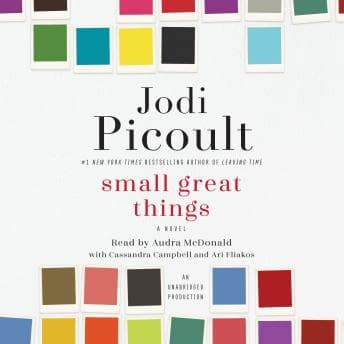
So when I started Small Great Things on my commute home Tuesday morning, I almost turned it off. I had just finished a 12-hour shift where I charted until my eyes bled, and hearing Ruth Jefferson—a nurse with 20 years of experience—get told she couldn't touch a baby because of the color of her skin? It made my blood pressure spike. I literally gripped the steering wheel so hard my knuckles turned white.
But I didn't turn it off. I couldn't.
When The Narrator Outshines The Page
Here's the thing about medical dramas written by non-medical people: I usually spend half the book yelling "That is NOT how a code works!" or "Nobody uses paddles anymore!" at my dashboard.
Picoult did her homework—mostly. The medical scenes are solid. But what actually sold me wasn't the technical accuracy. It was Audra McDonald.
If you don't know who she is, look her up. She voices Ruth, and honestly? She deserves an award just for this performance. She captures that specific tone we all have when we're trying to remain professional while screaming on the inside. When Ruth is in the courtroom, or dealing with the sheer indignity of the situation, the exhaustion and quiet rage in McDonald's voice... it broke me. I sat in my driveway for 15 minutes after I got home just to finish a chapter. (Carlos came out to check on me. I told him it was the pollen. It was not the pollen.)
The "Hard To Listen" Factor
Now, a warning. And I mean a serious one.
There are three narrators. Ruth (Nurse), Kennedy (Public Defender), and Turk (The White Supremacist Dad).
Ari Fliakos voices Turk. He is... terrifyingly good. And I hated every second of it. Listening to a man spew hateful, racist venom while I'm trying to decompress from a night shift was rough. There were moments I wanted to skip his chapters entirely because it felt too heavy, too dark. But Fliakos doesn't play him like a cartoon villain; he plays him like a human being who believes awful things, which is way scarier.
Cassandra Campbell handles the lawyer, Kennedy. She's great—she usually is—but her character starts off with that "I don't see color" attitude that makes you want to roll your eyes. Watching (or hearing) her get schooled on her own privilege was satisfying, though.
Why It Hit Home
The central conflict—Ruth hesitating to perform CPR because she was ordered not to touch the patient—is the nightmare scenario. As a nurse, your instinct is act. You save the life. You deal with the fallout later. But the way Picoult sets it up... the fear, the paralysis of knowing you're damned if you do, damned if you don't... it felt real.
It dragged a bit in the middle—courtroom scenes always do—and 16 hours is a commitment. But for a long commute? It works. It keeps you awake, that's for sure.
Just maybe don't listen to the Turk chapters right before you try to go to sleep. Trust me on this one.
Final Thoughts
This isn't a "fun" listen. It's not my usual "murder mystery to clear the head" vibe. It made me angry, it made me cry, and it made me want to hug my coworkers. Before We Were Yours hit me the same way—emotionally brutal but impossible to stop listening to. Audra McDonald's performance alone makes this worth your time. If you're in healthcare, you'll feel seen (and enraged). If you're not, you'll still be hooked.
Who should listen: Anyone who can handle heavy subject matter and wants a performance-driven audiobook that'll keep them awake on long drives. Who should skip: If you need your commute to be a mental break from work stress, this ain't it.
My mom would probably say, "See Maria? This is why you should have been a dermatologist. No emergencies." She might have a point.