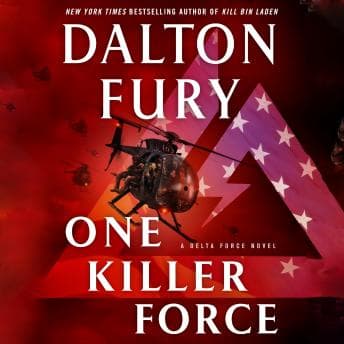

Dalton Fury was the real deal.
I need to say that upfront because it matters. The man commanded Delta Force. Actually led operators into the mountains of Tora Bora hunting bin Laden. When he writes about the weight of command decisions or the friction between tier-one units, he's not guessing. He lived it. And you can feel that authenticity bleeding through every tactical sequence in One Killer Force.
I finished this one during a three-hour drive back from a client site in Houston—one of those corporate security assessments where executives think a badge reader and some cameras make them Fort Knox. The irony of listening to actual special operations while explaining basic access control wasn't lost on me.
The Politics of Elite Violence
Here's where Fury does something interesting. The central premise—combining Delta and the SEALs into a single unit due to budget cuts—sounds like fiction until you remember the endless debates about force structure that actually happen in the Pentagon. I've sat in rooms where generals argued about capabilities overlap between units. The bureaucratic knife-fighting Fury depicts? That's not dramatized. That's Tuesday.
Kolt Raynor's caught between recovering from wounds suffered in the previous book and fighting off rivals who want him gone. The man's got enemies in his own chain of command, and Fury handles the internal politics with the same attention he gives to the gunfights. Too many military thrillers skip the messy human stuff—the jealousy, the career maneuvering, the way personal grudges can derail missions. The Sun Also Rises explores that same territory—men dealing with wounds and ego in ways that feel uncomfortably real. Fury doesn't flinch from it.
The Cindy 'Hawk' Bird storyline—first female operator—could've been handled badly. Plenty of authors would've made it preachy or dismissive. Fury threads the needle. She's competent, she's earning it, and the resistance she faces feels realistic without being cartoonish.
Syria, Ukraine, and North Korea Walk Into a Bar
The global scope here is ambitious. We're bouncing from Syrian combat zones to Ukrainian operations to North Korean intelligence assets. Normally I'd say that's too much ground to cover in under eleven hours, but Fury's pacing keeps things tight. Each location serves the nuclear threat plot rather than just showing off research.
The North Korean spy subplot—someone deep inside the regime sending out desperate warnings—reminded me of some briefings I sat through at CENTCOM. The way information trickles out from closed societies, the uncertainty about source reliability, the pressure to act on incomplete intelligence. Fury captures that frustration.
What I appreciated was the tactical restraint. Some thriller writers think more guns equals more tension. Fury knows that the planning, the waiting, the moment before the breach—that's where the real suspense lives. When violence happens, it's fast and ugly and has consequences.
Fliakos Behind the Mic
Ari Fliakos has been with this series from the start, and it shows. He's got Kolt Raynor's voice dialed in—that particular mix of competence and barely-controlled aggression that characterizes operators who've seen too much. The team differentiation works through subtle tone shifts rather than cartoon voices. When you've got a room full of alpha males who all sound like alpha males, that's actually realistic.
His pacing during action sequences ratchets up without losing clarity. I never had to rewind because the narration got ahead of my comprehension. At 1.25x, everything tracked perfectly. The man understands that military thrillers need urgency but also precision—you can't mumble through tactical details and expect listeners to follow.
No sound effects, no music, just clean narration. That's how I prefer it. Let the words do the work.
Who Should Gear Up (And Who Should Stand Down)
If you've read the previous Delta Force books, you're already in. This is book four, and while Fury provides enough context to follow along, you'll miss some of the emotional weight without the backstory. Raynor's injuries, his history with certain characters, the accumulated costs of his choices—that stuff lands harder if you've been there.
New to the series? You can start here, but I'd recommend going back to Kill Bin Laden (Fury's non-fiction account) first, then hitting the novels in order. Folks who get annoyed by accurate military terminology should probably look elsewhere. Fury doesn't dumb things down. He expects you to keep up or figure it out from context. I respect that.
Mission Debrief
Dalton Fury passed away in 2016, which makes this series feel different now. There's no more books coming. What we have is what we get—the authentic voice of someone who actually did the job, writing about the work with respect and honesty.
One Killer Force isn't the best in the series (I'd give that to Full Assault Mode), but it's solid. The nuclear threat plot provides stakes, the inter-service rivalry adds texture, and Hawk's storyline shows Fury was thinking ahead about where special operations was heading.
Ranger gave this one his approval—though he did fall asleep during the political briefing scenes. Can't blame him. Even fictional Pentagon meetings are tedious.
Worth your time? If you want military thrillers written by someone who actually knows the difference between a stack and a file, between cover and concealment, between what Hollywood thinks operators do and what they actually do—Fury delivers. Not perfect, but authentic. And in this genre, authentic is rare.