
What makes a poem worth hearing rather than reading?
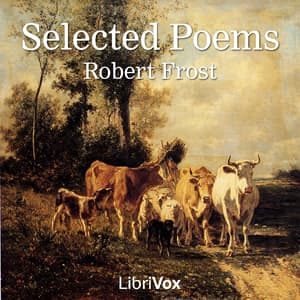
I've been teaching Frost for two decades, and I'll confess something that might get my English teacher credentials revoked: I've assigned "The Road Not Taken" so many times that I'd stopped actually *hearing* it. The words had become furniture in my brain—present but invisible. So when I downloaded this 21-minute collection during a particularly brutal stack of sophomore essays, I wasn't expecting much beyond background noise.
I was wrong. Becky Miller reminded me why I started teaching literature in the first place.
Recitation vs. Actually Understanding the Poem
Here's the thing about poetry audiobooks—most narrators treat poems like they're reading a grocery list with dramatic pauses. Miller doesn't do that. She reads Frost the way I wish my students would: with understanding rather than performance. There's no theatrical breathiness, no overwrought emphasis on the "important" words. Just a clear, natural voice that trusts the poetry to do its own work.
This reminds me of what Hemingway said about prose needing to get out of its own way. Miller seems to understand that Frost's genius lives in his deceptive simplicity—those poems that sound like a farmer musing about fences or snow but are actually gutting you with existential weight. Her delivery honors that duality. She doesn't telegraph the profundity; she lets it arrive.
One listener described feeling "mesmerized" by her tone, and I get it. There's something almost meditative about her pacing. She gives you permission to savor these words the way they deserve.
Shorter Than My Commute, Longer in the Memory
At 21 minutes, this is barely longer than my drive to school. It's a coffee break. It's the time between dismissing fifth period and starting sixth. And yet.
I listened while walking the lakefront with Denise last Sunday morning, and something shifted. Frost's rural New England felt strangely appropriate against Chicago's gray November skyline. "Nothing Gold Can Stay" hit different when you're watching dead leaves skitter across concrete. The brevity works here—it's a concentrated dose rather than a marathon. You don't get exhausted by poetry when it's portioned this way.
Now, I should be honest about the limitations. This is a LibriVox recording, which means volunteer production. No music, no sound design, no elaborate engineering. Just Miller's voice and the poems. If you're coming from slick Audible productions with celebrity narrators and full orchestral accompaniment, this will feel spare. Personally, I think that's a feature, not a bug. Frost didn't write for accompaniment.
I also can't tell you which specific poems are included—the research doesn't specify, and the collection is described only as "a short walk through the variety of his simplistic natural themes and complex social understandings." If you're looking for a particular piece, you might need to check the full track listing elsewhere.
Worth Pausing the Faculty Meeting For
My students would probably hate this. No action, no romance, no fantasy elements—just an old guy talking about birch trees and stone walls. I love it.
If you loved Mary Oliver's poetry collections, this is its spiritual successor in audio form. Miller brings the same quiet attentiveness to Frost's work that Oliver brought to her own observations of the natural world. Both poets reward the listener who slows down. That same reverence for deliberate pacing shows up in Will: The Sunday Times Bestselling Autobiography, where Smith's narrator understands that some stories need room to breathe.
Who should listen? Anyone who's forgotten why they fell in love with poetry. Teachers who've taught the same poems until they've gone numb. Commuters who want something meaningful but brief. People who think audiobooks are "cheating" for literature—this might change your mind, because hearing these poems performed well reveals rhythms and emphases you miss on the page.
Who should skip it? If you need production value, look elsewhere. If you want comprehensive Frost, this selection is too brief. If you listen exclusively at 2x speed, poetry will punish you for it. (I listen at 1.0x because Frost's line breaks demand their intended timing.)
Class Dismissed
Twenty-one minutes. Four Pulitzer Prizes' worth of genius. One narrator who understands that less is more. This won't revolutionize your understanding of Frost, but it might remind you why he matters—which, honestly, is the more valuable gift. I finished it before Denise and I made it back to the car, and I immediately started it again.
This is why we still read the classics. Or rather, why we still *listen* to them.