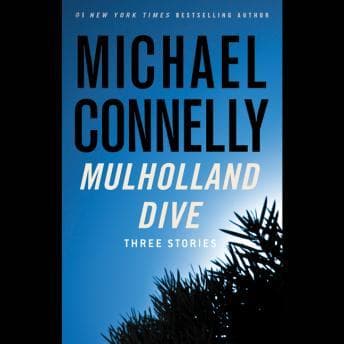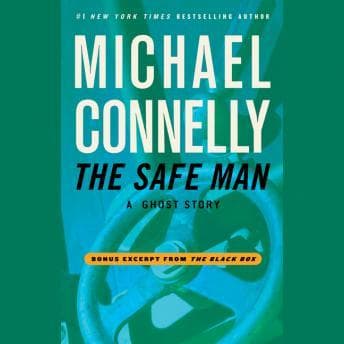

I was making dal at 11 PM—the kind of elaborate, unnecessary cooking my mother taught me that takes three hours when you could just order takeout—when I started this one. Ninety minutes later, the dal was perfect and I was standing in my kitchen genuinely unsettled. Not the reaction I expected from Michael Connelly, the guy who writes about Harry Bosch interrogating suspects in fluorescent-lit rooms.
This is not that.
The Psychology of the Locked Box
Here's what fascinated me: Brian Holloway is a safecracker. A "boxman," as the story calls him. And Connelly uses this profession as the most elegant metaphor for curiosity I've encountered in years. Every safe is a puzzle. Every lock wants to be opened. The research actually shows that humans are hardwired for completion—we can't stand unfinished patterns. Holloway embodies this compulsion. He's never met a box he couldn't crack.
The protagonist exhibits classic obsessive problem-solving behavior, but here's the twist—Connelly makes you root for him to succeed even as you sense (and you will sense it) that opening this particular antique safe in a dead author's library is a catastrophically bad idea. A fascinating case study in how competence curdles into hubris.
The scene where Holloway is questioned by police? That's when I stopped stirring the dal entirely. Collins narrates it with this whispering tenderness—like a safecracker, actually—that makes the interrogation feel spectral even before the ghost shows up. My therapist would have thoughts about a character who can't resist opening things that should stay closed.
When Connelly Goes Dark (Darker?)
Look, I've read enough Connelly to know he understands human nature. But this is a major departure from his procedural style, and honestly? It works. The musical accompaniment in the opening and closing adds this old-fashioned radio drama quality that I found unexpectedly effective. Not overdone—just enough to signal we're in different territory.
But I have to be honest about something. At ninety-three minutes, this story barely has time to breathe. The ending feels rushed, almost haphazard, like Connelly had somewhere to be. The setup is so meticulous—the antique safe, the famous author's library, the family legacy of safecracking—and then it wraps up before the psychological implications can truly develop. I kept asking myself: why does the ending feel like a first draft when the premise is so carefully constructed?
Psychologically, the final act doesn't track as cleanly as the setup. There's confusion about the mechanics of the haunting that a longer work could have clarified. This was originally published anonymously, which explains some of the experimental quality—but it doesn't excuse the pacing issues.
Collins and the Art of Restraint
David W. Collins does an okay job. Not outstanding, but competent. The "whispering tenderness" thing I mentioned? That's genuinely effective for the spectral tone. But I wouldn't call this a narrator performance that elevates the material. It serves the story without transforming it.
What makes Holloway compelling is how ordinary he seems. Collins doesn't oversell the supernatural elements. The horror creeps in through suggestion rather than theatrical delivery. For a ghost story, that restraint is probably the right call. Second Wife uses similar restraint with its supernatural elements—though it takes a completely different approach to the haunting.
Who Should Open This Box (And Who Should Walk Away)
Connelly completists who want to see him experiment—yes. Fans of atmospheric supernatural fiction who don't mind brevity—probably. People expecting a full novel or anything resembling Harry Bosch—skip it, you'll be frustrated. If you want something that sustains that atmospheric dread for longer, Head Full of Ghosts delivers the psychological unraveling I was craving here.
This is essentially a short story. A good one, but a short one. At full audiobook credit price, the value proposition is genuinely questionable. If you have a subscription that lets you stream it, that's the move.
Case Notes
Here's my assessment: The Safe Man is a compelling psychological premise that doesn't quite get the runtime it deserves. Connelly proves he can do atmospheric horror—the man understands how curiosity becomes compulsion becomes catastrophe. But the execution feels truncated, like a case study that ends before the analysis is complete.
I ate my dal. I thought about boxes that shouldn't be opened. I wished there had been another hour to explore what Holloway found. That frustration? That's actually a compliment to the setup. Just not to the payoff.