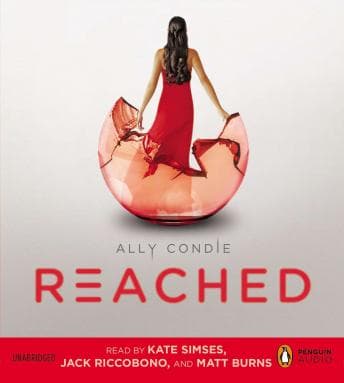

Look, I'll be straight with you - this is not my usual lane. I picked up the Matched trilogy because my niece wouldn't stop texting me about it over Thanksgiving, and I figured if I was going to have an opinion, I'd better actually listen to the thing. So here I am, a 55-year-old retired colonel, reviewing a YA dystopian romance. Ranger gave me a judgmental look when I started it during a late-night drive back from a client site in San Antonio. Fair enough, buddy.
A Rebellion That Forgets to Actually Rebel
Let me cut to the chase: Reached wraps up the Matched trilogy with a story about a plague, a revolution, and a love triangle - and somehow manages to make all three feel like they're happening at half speed. Condie's Society is a totalitarian government that controls everything from what you eat to who you marry, and Cassia, Ky, and Xander are supposed to be tearing it down. The setup is there. The stakes should be enormous. But the execution? It's like watching someone plan an assault and then spend thirteen hours discussing their feelings about the assault instead of running it.
The plague storyline - the Plague, capital P - is actually the most interesting thread. There's a mutation, a real crisis, and characters are forced into triage decisions. That part felt grounded. I've seen what happens when systems break down, when the people in charge don't have answers, and Condie captures some of that chaos. But every time the tension ratchets up, we pivot back to Cassia wondering about Ky's feelings, or Ky brooding about whether he's worthy, and the momentum just bleeds out.
Three Narrators, Three Speeds of Slow
The audiobook uses three narrators - Kate Simses for Cassia, Jack Riccobono for Ky, and Matt Burns for Xander - rotating through their POV chapters. And here's where it gets tricky. Simses handles Cassia's sections with a kind of measured, poetic delivery that fits the character's personality but doesn't exactly light a fire under you. Riccobono's Ky is quieter, more internal, which makes sense for a brooding artist-rebel type but doesn't help with the pacing problem. Burns as Xander actually brings the most energy - there's a warmth and urgency to his sections, especially when he's working as a medic during the plague outbreak, that I wished the other two matched.
The three-narrator approach does solve one problem: you always know whose head you're in. No confusion there. But the tonal range between them is narrow. Everyone sounds earnest and contemplative. Nobody sounds angry enough for a revolution. I bumped it up to 1.5x for stretches - my usual 1.25x wasn't cutting it during the middle third where the plot essentially stalls while characters write poems and sort through memories.
The Love Triangle That Ran Out of Fuel
I've got no problem with romance in my stories. But the Cassia-Ky-Xander triangle peaked in the first book and has been coasting on fumes since. By Reached, the outcome is pretty obvious, and watching characters agonize over a decision the reader made two books ago gets tedious. Xander deserved better, frankly. He's the most competent character in the whole trilogy - medic, strategist, genuinely decent person - and he gets sidelined emotionally so Cassia can pine for the mysterious brooding guy. (I've seen this play out in real life, actually. The solid, dependable operator always loses to the guy with the tragic backstory. Some things are universal.)
What does work: the ending. Without spoiling it, the final choice Cassia makes about the Society's future - not the romance, the political choice - carries real weight. The idea that freedom means accepting imperfection, accepting risk, accepting that people will make bad decisions and that's still better than having no decisions at all. That landed. That's a message worth hearing, especially for younger listeners. Walt Longmire wrestles with something similar in Spirit of Steamboat - the idea that doing the right thing means accepting outcomes you can't fully control, and that hit me just as hard.
Who Should Strap In (and Who Should Eject)
If you listened to Matched and Crossed and you're invested in these characters, finish the mission. The ending pays off enough to justify the slog through the middle. If you're a parent looking for something to share with a teenager who's into dystopian fiction, this is clean, it's thoughtful, and the themes about choice and control are solid conversation starters.
But if you're coming to this expecting Hunger Games-level action or tight pacing? Adjust your expectations. This is a quiet revolution, heavy on poetry and internal monologue, light on actual conflict. And at 13-plus hours, it asks for a significant time investment that the pacing doesn't always justify.
Mission Debrief
Worth your time? Conditionally. Reached is a decent conclusion to a trilogy that never quite reached (sorry) the heights of its premise. The plague storyline is genuinely engaging, Burns' performance as Xander is the highlight of the audio production, and the thematic resolution about the cost and necessity of choice is the strongest thing Condie writes in the whole series. But the pacing is a real problem, and 13 hours is a lot of windshield time to spend on characters who think more than they act. Ranger fell asleep during hour six. I can't entirely blame him.