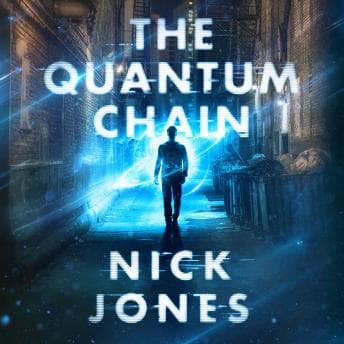

Ray Porter could read me a phone book and I'd find thematic depth in it.
I'm grading sophomore essays on The Great Gatsby at 11 PM—my third cup of coffee going cold beside me, red pen bleeding through another student's claim that Nick Carraway is "just some guy"—and Porter's voice is keeping me sane. There's something fitting about listening to a time travel story while marking papers about the impossibility of recapturing the past. Fitzgerald would appreciate the irony. My students would not.
When Your Protagonist Outgrows His Training Wheels
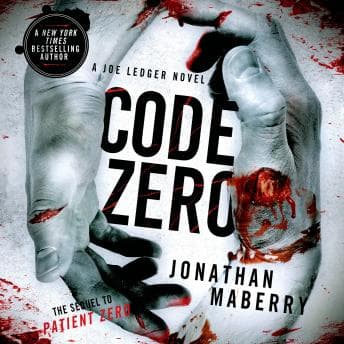
Here's what Nick Jones understands that a lot of series writers don't: character development isn't just about giving your hero new powers or bigger stakes. It's about making them earn their place in the story. Joseph Bridgeman started this series as a reluctant time traveler, and now he's an official member of the Continuum, which means the training wheels are off. The ancient China mission isn't just a set piece—it's Jones throwing Joe into deep water to see if he can swim.
And Joe struggles. Beautifully. The man is alone, unprepared, and way out of his temporal depth. I teach Heart of Darkness every spring, and there's something Conradian about watching a protagonist venture into unfamiliar territory and discover the mission was never quite what it seemed. Project Hail Mary pulls off that same trick—throwing a lone protagonist into impossible circumstances and watching him MacGyver his way through with nothing but determination and improvisation. Extempero—this shadowy organization working against the Continuum—operates like the best literary antagonists: you understand their threat before you understand their motives.
The plot gets complex. Two Joes at one stage, according to some listeners who found it confusing. But here's the thing about time travel narratives—if you're not occasionally confused, the author isn't being honest about the paradoxes. This isn't a criticism. It's a feature. Though I'll admit, during the auction scene that spirals into something far more dangerous, I had to pause and rewind once. Possibly twice. (The Gatsby essays weren't helping my focus.)
Porter Knows That Pause Is Punctuation
Ray Porter has two Audie nominations and several Earphones Awards, and you can hear why in every scene transition. His pacing is—and I don't use this word lightly—impeccable. When Joe faces the natural disaster in the final act, Porter doesn't rush the horror. He lets it breathe. The dramatic moments have weight because Porter trusts the silence between words.
His character work deserves specific mention. Vinnie comes alive in a way that's distinct from Joe, distinct from the Continuum members, distinct from the Extempero threat. Porter's ability to juggle multiple distinct voices reminds me of the character work in Silver Borne, where the narrator has to differentiate between werewolves, fae, and regular humans without losing the protagonist's grounded perspective. Some listeners noted an American narrator reading a British character, which—fair point. But Porter's skill goes beyond accent authenticity. He's interpreting, not just reading. This is why I listen at 1.0x, why I refuse to speed through. The author chose those words, and Porter chose exactly how to deliver them.
One listener said they tried multiple times but couldn't get hooked by the narrator. I respect that opinion while completely disagreeing with it. Sometimes a voice just doesn't work for you. But Porter's emotional depth in the dramatic moments—particularly when Joe faces what the description calls "a terrible choice"—that's performance art.
The Rushed Parts and Why They Might Be Intentional
Some reviews mentioned the story feeling rushed in sections. I noticed this too, particularly in the middle act. But I wonder if that's Jones mirroring Joe's experience—alone in ancient China, scrambling, improvising. The pacing reflects the protagonist's desperation. Or maybe it's just rushed. Literature teachers love finding intention where there might only be deadline pressure.
What I can say definitively: the time-travel loop mechanism Joe unlocks feels earned. It's not a deus ex machina. It's set up, developed, and deployed with the kind of structural care I wish my students would apply to their thesis statements. (They won't. I've accepted this.)
Who Should Clear Their Schedule (And Who Shouldn't)
This is not background listening. The complex plot demands attention—you can't half-listen while actually paying attention to faculty budget meetings. (Not that I would ever do that, Principal Martinez.) If you're new to the Joseph Bridgeman series, start at the beginning. This book assumes familiarity with the Continuum, with Joe's abilities, with the established stakes. Skip this one if you haven't read the earlier books or if you need something light for your commute.
But if you've been following along? If you appreciate time travel that respects its own rules while still surprising you? If you want nearly thirteen hours of Ray Porter doing what Ray Porter does best?
This is worth your time. Worth your credit. Worth staying up past midnight grading papers just so you can keep listening.
The Assignment I'd Actually Want to Grade
My students would hate this. Too much plot, not enough romance, too many consequences for choices made three books ago. I love it. The prose deserves to be savored, the performance deserves 1.0x speed, and the ending—those far-reaching consequences the description promises—actually delivers.
Now if you'll excuse me, I have seventeen more essays claiming Nick Carraway is "just some guy," and I need Ray Porter to help me survive them.