
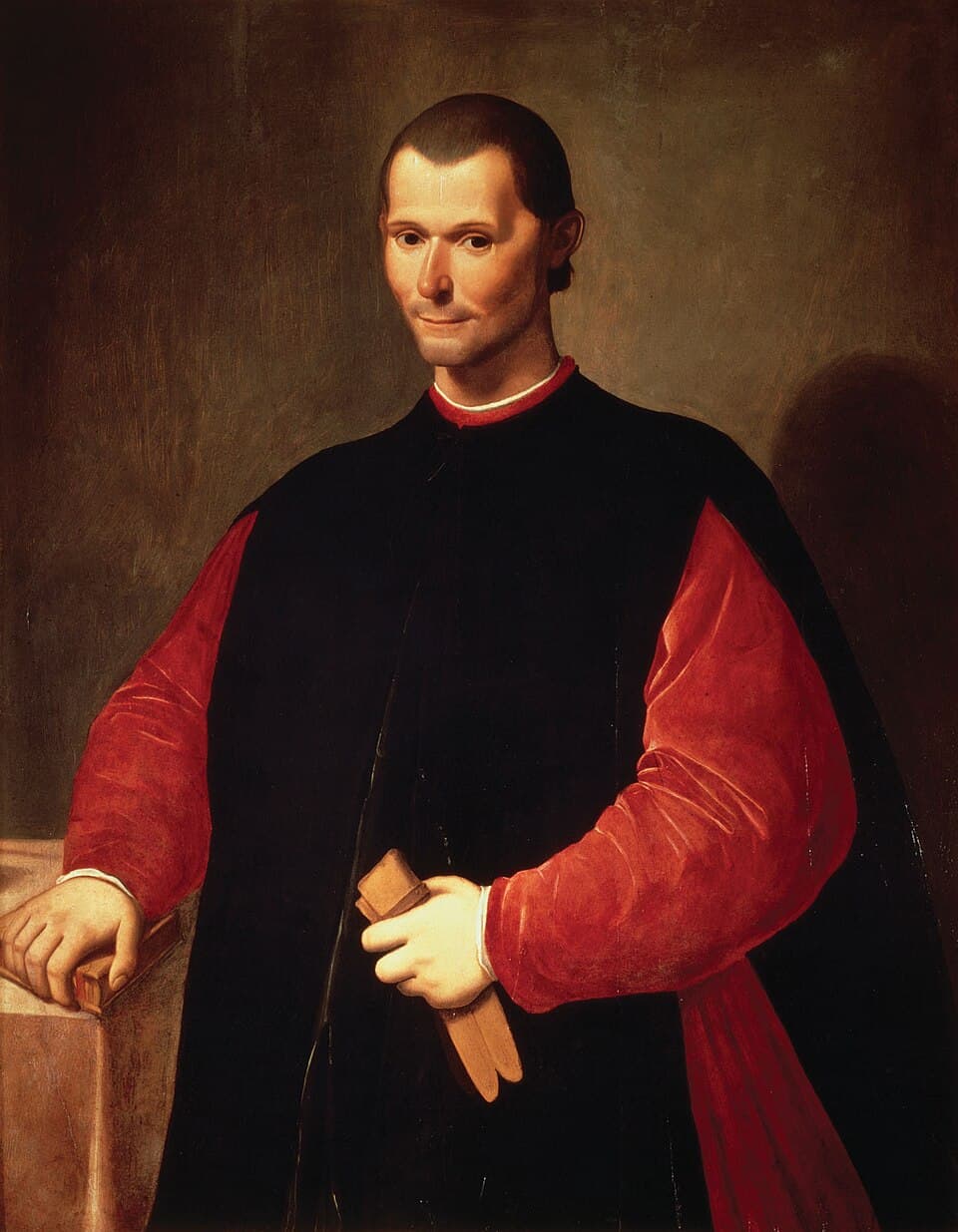
Stuck in traffic on I-35 outside Austin—standard operating procedure for a Tuesday—when I decided to finally revisit the original playbook on leadership. Not the fluffy HR manuals companies pay me to ignore, but the real deal. Machiavelli. The Prince.
I haven't touched this text since the War College. Back then, we analyzed it for grand strategy. I had the same experience revisiting The Art of War—another LibriVox recording that felt completely different outside the classroom. Listening to it now, while heading to a site assessment for a tech firm that's bleeding IP, it hit differently. Machiavelli isn't the villain people make him out to be. He's just... honest. Brutally so. He treats politics like physics—action, reaction, leverage. No moralizing. Just results.
But let's cut the comms and talk about this specific recording.
The Intel is Good, The Delivery is a Cluster
Here's the situation. This is a LibriVox recording. For the uninitiated, that means it's free, read by volunteers. And look, I respect the effort. Putting in work for the public good? Commendable.
But from a tactical standpoint? It's a mess.
The problem is consistency. In the Army, we train until everyone operates as a single unit. You don't want a squad where the point man is a Navy SEAL and the rear guard is a guy who just walked out of a karaoke bar. That's what this audiobook feels like.
One chapter, you've got a narrator who sounds like a distinguished Oxford professor—crisp, authoritative, perfect pacing. I was nodding along, thinking, "Okay, this works." Then the chapter ends, and suddenly I'm listening to a guy who sounds like he's recording inside a closet with a desk fan running. The audio quality drops, the accent shifts, the cadence stumbles.
It snaps you right out of the mindset. I found myself adjusting the volume constantly. Ranger, my German Shepherd, was in the back seat and even he perked his ears up a few times like, "Boss, what happened to the voice?"
The Manual Itself
Despite the audio whiplash, the content holds up. (And honestly, it's terrifying how well it applies to modern corporate security.)
Machiavelli writes with the kind of directness I wish my clients had. When he talks about whether it's better to be loved or feared, he's not being evil—he's analyzing risk. I've seen officers try to be everyone's buddy in a combat zone. It doesn't end well. Machiavelli knew that in 1513.
The book is short—under six hours. It's dense, though. Every sentence is a bullet point. I had to rewind a few times (partly because of the narration changes, partly because the guy makes a point and moves on immediately).
The Verdict
Is it worth your time? The book? Absolutely. Essential reading for anyone in charge of anything, from a platoon to a homeowners association.
But this specific audio version? Only if you're on a strict budget.
The jarring shifts between narrators kill the momentum. Just when you're getting locked into the philosophy, the voice changes and you have to recalibrate your brain. It's like trying to sleep on a C-17—doable, but you're not gonna enjoy the ride.
Who should listen: Budget-conscious folks who can tolerate production inconsistencies and just want the intel for free. Who should skip: Anyone who needs smooth, uninterrupted listening—spend a few bucks on a professional recording with a single narrator instead.
Mission accomplished, I guess. But next time, I'm paying for the upgrade.







![Steve Jobs [unabridged audiobook] audiobook cover](/_next/image?url=https%3A%2F%2Fcovers.audiobooks.com%2Fimages%2Fcovers%2Ffull%2F9788499923406.jpg&w=1920&q=75)