
Look, I need to vent about something. Colonel Basil Annesley is the kind of man who sees a distressed woman with a baby on a train and immediately decides he needs to solve her entire life. Did she ask for help? Not really. Does he insert himself anyway? Absolutely. As someone who's actually worked with patients who just want to be left alone while they figure out their situation, I found myself yelling at my dashboard more than once. "SIR. SHE SAID SHE'S FINE."
But here's the thing - I couldn't stop listening.
When Chivalry Becomes an Investigation
This is Victorian mystery at its most... Victorian. Arthur Griffiths was Her Majesty's Inspector of Prisons, and you can tell. The man knows procedure. He knows how private detectives actually operate, how train routes work, how legal complications unfold across borders. When Colonel Annesley starts piecing together why this mysterious lady is being followed, the investigative logic actually tracks. No magical leaps, no convenient coincidences that make you want to throw your phone out the car window. Silent Woman had that same grounded investigative approach, even if the pacing drove me a little crazy.
The setup is deliciously simple - two strangers on the Engadine express from Calais, one clearly terrified, the other unable to mind his own business. There's a strange package involved. There are private detectives. And slowly, Griffiths pulls you into a web of secrets that kept me awake well past when I should've been sleeping after my shift.
Neither the Colonel nor the lady are particularly likable at first. He's presumptuous. She's evasive to the point of frustration. But somewhere around the halfway mark, they start to earn your sympathy. It's a slow redemption arc that actually feels earned - the kind of character development you don't always get in mysteries from this era.
Arie's Solo Performance
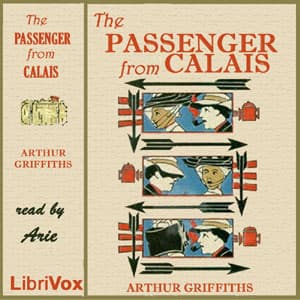
This is a LibriVox production, so adjust your expectations accordingly. Arie handles the entire five-and-a-half-hour narration alone, which is ambitious for a story with this many characters. The reading is clear and steady - no audio issues, no weird background noise, no moments where I had to rewind because I couldn't understand what was said.
That said, it's a fairly straightforward reading. You're not getting dramatic vocal shifts between characters or theatrical flourishes. This is someone reading you a story, competently and consistently. For a free audiobook, that's honestly more than acceptable. For a 3 AM drive home when I'm trying to stay engaged but not overstimulated? Actually kind of perfect.
The Pacing Problem (Or Is It?)
At just over five hours, this isn't a massive time commitment. But Griffiths writes in that deliberate Victorian style where characters have long conversations about their feelings and motivations. If you're coming off modern thrillers with their chapter-ending cliffhangers every twelve pages, this will feel slow.
I didn't mind it. There's something almost meditative about Victorian mystery pacing - the way it assumes you have patience, the way it trusts you to follow along without constant action beats. Perfect for that post-shift decompression when I don't want something that'll spike my adrenaline again. I just spent twelve hours in a trauma center. I don't need a book that makes my heart race. When I do want that adrenaline spike, 20th Victim delivers exactly the kind of modern thriller pacing this book deliberately avoids.
Who's Getting On This Train
This is for you if: you love classic mysteries, you appreciate period-appropriate language and social dynamics, you want something free and well-narrated for background listening, or you're curious about what mystery fiction looked like before we had DNA evidence and cell phone records.
Skip it if: you need fast pacing, you can't stand Victorian gender dynamics (the Colonel is protective in ways that feel dated), or you want a narrator who does theatrical character voices.
Carlos asked why I was still in the car when I got home yesterday. I was twenty minutes from the end and the mysterious package was finally being explained. Some things you can't pause.
Clocking Out
This won't change your life. It's not going to make you cry or question your existence. But it's a solid, competently narrated Victorian mystery that does exactly what it promises - gives you a puzzle, some interesting characters, and a satisfying resolution. For a free audiobook that kept me company through three post-shift drives home, I can't complain. Much. Okay, I complained about the Colonel. But I finished it anyway.