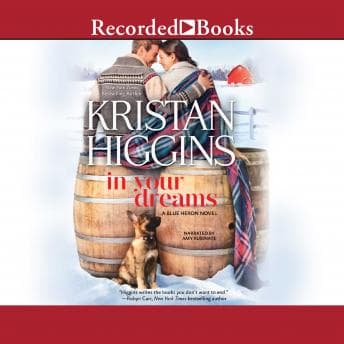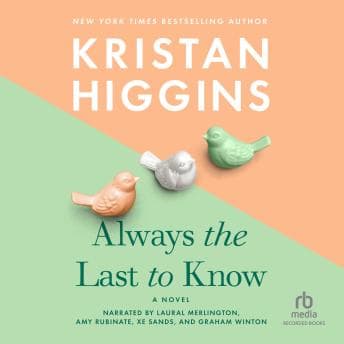

Sisters are complicated. Half-sisters with a murky family history and seven years between them? Even more so. Kristan Higgins gets this in a way that made me stop folding laundry and just... sit there for a minute.
I started this book during Sophie's nap time and finished it three days later in my car in the garage, engine off, just needing to hear how it ended before going inside to start dinner. That's the highest compliment I can give a 13-hour audiobook. It survived approximately 47 pauses (conservative estimate), three Target runs, and one epic toddler meltdown in the cereal aisle, and I never lost the thread.
The Sister Thing Actually Works
Ainsley's boyfriend breaks up with her via blog post that goes viral. Kate's husband dies suddenly and she discovers he wasn't exactly who she thought he was. These two women—who've never been close, who've always circled each other with that awkward blended-family politeness—end up having to actually need each other. That messy, earned intimacy reminded me of Beneath This Mask, where characters also have to push past their defenses to actually connect.
Higgins doesn't make it easy or saccharine. Kate is reserved to the point of seeming cold. Ainsley is bubbly in a way that can read as immature. They irritate each other. They misunderstand each other. They also show up when it matters. As someone with a complicated sister relationship myself (love you, Sarah, but also you know what you did at my wedding), this hit different.
Two Narrators, Two Volume Settings
Okay, here's the thing you need to know before you commit: Amy Rubinate narrates Ainsley's chapters and she's fantastic. Warm, expressive, captures that slightly chaotic energy of a woman whose life just imploded publicly. Xe Sands handles Kate's chapters with a quieter, more reserved tone that fits the character perfectly.
But—and this is a real but—Sands's narration is significantly quieter. Like, I had to crank my car volume way up during Kate's chapters, then nearly blow out my eardrums when it switched back to Ainsley. If you're listening while driving (my primary listening context because three kids means no quiet in the house), you'll be adjusting volume constantly. It's not a dealbreaker, but it's annoying enough that I'm mentioning it.
The dual narrator approach otherwise works beautifully. You always know whose head you're in, and the tonal shift between the sisters reinforces how different they are. Rubinate's delivery during Ainsley's more emotional moments genuinely got me—I may have teared up at school pickup. The other moms probably thought I was having a breakdown. I mean, I was, but a fictional one.
Heavy Stuff, Light Touch
This book deals with grief. Real grief—the kind where you're angry at the person who died, where you discover things you wish you hadn't, where nothing feels stable anymore. Kate's storyline especially goes to some dark places.
But Higgins balances it with Ainsley's more comedic disaster of a life. Meant to Be walks that same tightrope between heartache and humor, though it leans a bit lighter overall. The viral breakup blog is cringey in the best way. Her attempts to move on are messy and relatable. The book breathes between the heavy moments, which is exactly what I need. I can't do unrelenting sadness. I have enough laundry for that.
Who's This For (And Who Should Skip)
Perfect for anyone who likes character-driven women's fiction with actual emotional depth. If you have a complicated relationship with a sibling, prepare to feel some feelings. If you want pure escapist romance, this might be heavier than you're expecting—the grief is real and present throughout. And if you're sensitive to audio quality issues, the volume imbalance between narrators might drive you crazy. I adapted, but I was also desperate for something good and willing to work for it.
Nap Time Approved
Not groundbreaking, but sometimes you don't need groundbreaking. Sometimes you need a book about two women figuring out how to be sisters when life falls apart, narrated by people who understand the assignment (volume issues aside), with an ending that feels earned rather than forced.
My book club would love this—if I ever have time for book club again. For now, I'm recommending it to my own sister. She'll probably text me halfway through to say "is this about us?" It's not. But also, kind of.