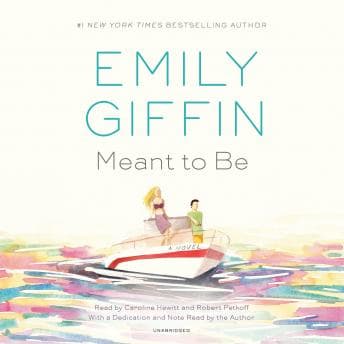

What is it about doomed love stories that makes us keep coming back? I mean, we know how it ends - or at least, those of us who remember the summer of 1999 do. And yet here I am, a 55-year-old English teacher who should be grading essays on The Great Gatsby, completely absorbed in Emily Giffin's fictionalized take on America's most glamorous tragedy.
I finished this one on a Saturday morning walk along the lakefront with Denise. She asked why I was so quiet, and I had to explain that I was busy falling in love with two people who are definitely not real but also definitely are. That's the strange magic of this book - Giffin walks this tightrope between roman à clef and pure fiction, and somehow it works.
The Fitzgerald of It All
Look, I teach teenagers about the American Dream and its inevitable collapse every semester. So when a novel opens with a golden boy burdened by legacy and a woman reinventing herself through sheer will, my teacher brain starts making connections. Joe Kingsley is Gatsby if Gatsby had been born into the wealth instead of chasing it. Cate Cooper is every self-made woman in literature who discovers that arriving somewhere doesn't mean you belong there.
Giffin understands something that my students often miss when we read the classics: tragedy isn't about bad people getting punished. It's about good people caught in currents too strong to swim against. The Kingsley curse isn't supernatural - it's the weight of expectation, the glare of public life, the way fame distorts every private moment into performance. That same suffocating atmosphere of high society expectations shows up in Court of Mist and Fury, though with more literal magic involved.
My students would probably roll their eyes at this book. Too romantic, too earnest, too much about rich people problems. But that's exactly why I found it refreshing. Giffin isn't apologizing for writing a love story. She's leaning all the way in.
Caroline Hewitt Carries the Emotional Weight
The audiobook uses multiple narrators - Caroline Hewitt, Robert Petkoff, and Giffin herself. Hewitt handles Cate's sections, and honestly, she's the standout. There's this warmth in her voice that makes Cate's insecurities feel genuine rather than whiny. When Cate talks about feeling like a fraud in the modeling world, Hewitt delivers it with just enough vulnerability that you believe her.
Petkoff does solid work with Joe, though I'll admit some of the supporting characters blurred together for me. (Worth pausing the faculty meeting for? Absolutely. But I did occasionally lose track of which Kingsley cousin was speaking.)
The pacing is interesting - at 11 and a half hours, it's not a quick listen. Some sections in the middle dragged a bit, particularly when we're deep in the modeling world details. But when Joe and Cate are together on the page, time flies. Their connection feels earned, not manufactured.
Who Should Listen (And Who Should Skip)
Here's the thing - if you're looking for literary fiction that subverts expectations and delivers some shocking twist, this isn't it. You pretty much know where we're headed. The question Giffin is asking isn't "what happens" but "does knowing the ending change how we experience the journey?"
This reminds me of what Hemingway said about writing - that the reader should feel more than they understand. Giffin isn't trying to be Hemingway, obviously. But she's doing something similar with emotional truth. The facts are fictionalized, but the feelings are real.
If you loved The Time Traveler's Wife for its bittersweet inevitability, or if you're a sucker for stories about people trying to outrun their pasts, this will work for you. If you need your romance to end with a bow on top, skip this one - you'll only frustrate yourself.
I listened at my usual 1.0x because - and I will die on this hill - the prose deserves to be savored. There are passages about belonging and identity that hit differently when you let them breathe. Denise thinks I'm stubborn about this. She's not wrong.
The audio quality is clean and professional throughout. No weird volume shifts, no distracting background noise. Just three narrators doing their jobs well.
Final Grade
I've been teaching long enough to know that some stories survive because they tap into something universal. The desire to be seen. The fear of being truly known. The hope that love can be enough even when everything else is stacked against you.
Meant to Be isn't going to replace Gatsby on my syllabus. But it reminded me why we still read stories about beautiful, doomed people trying to find each other in a world that won't leave them alone. Sometimes that's exactly what you need on a Saturday morning, walking along the lake with someone you love, listening to a story about two people who didn't get enough time.









