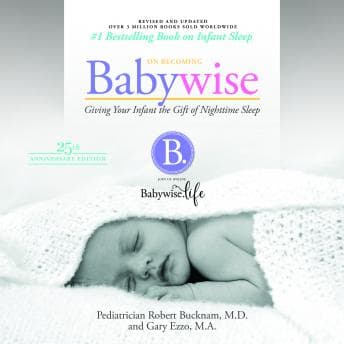

I was making khichdi—comfort food for when my brain is fried from too much research—when I started this audiobook. By the time the rice was done, I had already formed some strong opinions.
Look, I don't have kids. But I study human behavior for a living, and parenting books are basically applied developmental psychology with a marketing budget. So when something becomes "the de facto newborn parenting manual" for 25 years, my researcher brain wants to know: why does this work for some families and cause absolute chaos in others?
The Psychology Behind the Structure
Here's what Bucknam and Ezzo are really selling: predictability reduces anxiety. And they're not wrong—there's solid research showing that routines help regulate infant circadian rhythms and cortisol levels. The book's core premise about synchronizing feeding, waketime, and sleep isn't pseudoscience. It's developmental psychology 101, packaged for exhausted parents who need someone to just tell them what to do.
What I found fascinating (putting on my researcher hat here) is how the authors frame parental authority. They're essentially arguing that structure isn't just practical—it's a form of care. The protagonist in this story isn't the baby. It's the parent reclaiming agency in a situation that feels completely out of control. Psychologically, that's compelling. Sleep deprivation is literally used as torture. Giving parents a framework that promises relief? That's powerful.
But—and this is a significant but—the rigidity concerns me. Human development isn't a factory assembly line. Some babies are neurologically wired differently. Some mothers have supply issues that demand-feeding helps resolve. The book acknowledges "common sense" application, but the underlying philosophy doesn't leave much room for the messiness of actual human variation.
Xe Sands Makes It Listenable
Xe Sands has the perfect voice for instructional content. Clear, steady, professional without being cold. She sounds like the pediatric nurse who's seen it all and won't judge you for crying in the exam room. (We've all been there. Or so I'm told.)
The pacing works well for the material—you're not going to miss crucial information because she rushed through it. This matters when you're listening while, say, actually holding a screaming infant. The production is clean, no weird audio artifacts or volume inconsistencies.
I will say: this isn't an audiobook that's going to sweep you away narratively. It's a manual. Sands does her job well, but the content is dense and instructional. I found myself rewinding sections, which is fine for a self-help book but worth noting if you're expecting something you can half-listen to during your commute.
Who Should Listen (And Who Should Run)
Here's my take after listening and reading way too many listener reviews: this book works best for parents who thrive on structure themselves. If you're someone who color-codes your calendar and feels calmer with a plan, Babywise will feel like a lifeline. If you're more intuitive, if you lean toward attachment parenting, if the idea of scheduled feeding makes you anxious rather than relieved—skip this one. Parenting philosophies are a bit like therapeutic modalities: what works depends heavily on the individual.
Science of Getting Rich operates on a similar premise—one prescriptive framework promising transformation if you just follow the system exactly.
The controversy around this book is real. Some pediatricians recommend it enthusiastically; others have concerns about strict scheduling for very young infants. I'm not a medical professional, so I won't weigh in on the clinical debates. But I will say: any parenting approach that doesn't allow for flexibility based on your specific baby's needs is missing something fundamental about human development.
My Researcher's Take
As an audiobook specifically? It's well-produced and Sands is a solid choice for narrator. The format works—you can listen while doing other things and still absorb the main concepts. Just don't expect to retain the specific scheduling details without taking notes or relistening.
The book itself is a case study in why prescriptive parenting advice sells so well. Parents are desperate, sleep-deprived, and drowning in conflicting information. Babywise offers certainty. Whether that certainty is right for your family is something only you can determine.
My therapist would probably say something about how our need for control increases when we feel powerless. New parenthood is the ultimate loss of control. So I get the appeal. I really do.
Just... maybe also consult your actual pediatrician? And trust your instincts a little? The research on parental intuition is actually pretty encouraging. (Don't tell Bucknam I said that.)