
What do we owe the classics when the delivery system fails them?
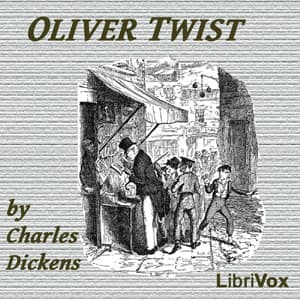
I've been wrestling with this question since finishing LibriVox's volunteer recording of Oliver Twist—seventeen and a half hours of Dickens filtered through what feels like a rotating cast of well-intentioned strangers reading into their laptop microphones. And look, I say this as someone who genuinely believes in the democratization of literature. Free audiobooks? Public domain treasures made accessible? This is beautiful work. But beautiful intentions don't always make for beautiful listening.
The Dickens You Came For Is Still Here
Let me be clear about something: Oliver Twist remains Oliver Twist. Dickens' savage indictment of the Poor Law, his grotesque caricatures of institutional cruelty, that famous "more" scene—it's all present and accounted for. The story of a workhouse orphan stumbling through London's criminal underworld still hits with the force Dickens intended. Fagin's manipulation, Bill Sikes' brutality, Nancy's tragic loyalty—these characters have survived 186 years because they're drawn with such furious precision.
This is why we still read the classics. Dickens wasn't just telling a story about one orphan. He was holding a mirror up to Victorian society and saying "look at what you've created." The workhouse scenes remain genuinely difficult to hear—and I mean that as praise. My students would hate this. I love it.
When the Choir Can't Find the Same Key
But here's where I have to be honest with you. The multiple-narrator approach creates a listening experience that requires... commitment. And patience. And occasionally the willingness to rewind because you've lost the thread.
I was grading papers at 11 PM—my usual routine, red pen in one hand, coffee going cold—when I realized I'd completely missed a chapter transition because the narrator had changed so dramatically. One volunteer delivers Dickens' prose with theatrical relish; the next reads with the careful enunciation of someone afraid of mispronouncing something. Neither approach is wrong, exactly. But the whiplash is real.
Some readers are genuinely good. Others are, as one listener put it, "just so-so and take more effort to hear." The inconsistency means you can't settle into the rhythm. And with Dickens, rhythm matters. The prose deserves to be savored, not decoded.
Who Should Brave This Version (And Who Should Skip It)
If you're a Dickens completist on a budget, this is your friend. LibriVox's mission is noble, and free is free. If you're already familiar with the story and can tolerate some choppiness, you'll probably be fine.
But if this is your first Oliver Twist? If you want to actually *experience* Dickens rather than just technically consume him? I'd point you toward a professional recording. The narrator understands that pause is punctuation—and that consistency is its own form of respect. Bel Canto taught me that lesson about performance and precision—when the delivery matches the material's ambition, everything clicks.
Skip this one if you need background listening. I tried it while walking the lakefront with Denise and found myself constantly losing focus, having to ask her to pause our conversation so I could figure out who was speaking. Not the book's fault. The production's.
The Professor's Final Grade
Here's my honest assessment: this recording is a gateway drug, not the premium stuff. It'll get you through the story. It'll remind you why Dickens matters. But it won't give you the performance art that great narration can be.
I listened at 1.0x because—as I always say—the author chose those words. But I found myself wishing a single narrator had chosen to interpret them. The volunteer model works beautifully for some texts. For Dickens, with his theatrical dialogue and carefully constructed atmosphere, it struggles.
Three stars for the effort, the accessibility, and the text itself. The recording is functional. But functional isn't the same as good, and I'd be lying if I said otherwise. If you're streaming this through Libby or another free service, go for it. If you're considering spending money on an audiobook of Oliver Twist, spend it elsewhere.
This reminds me of what Hemingway said about the importance of getting the words right. Dickens got them right. This recording gets them... out there. Sometimes that's enough. Sometimes it isn't.