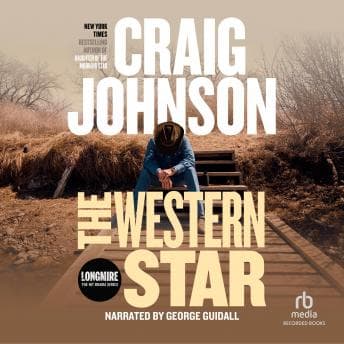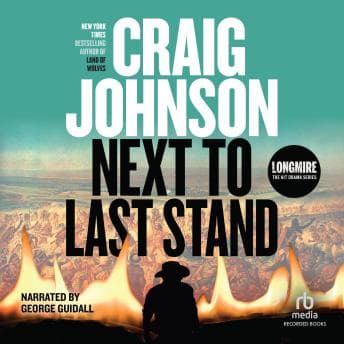

What happens when a dying veteran leaves behind a shoebox full of a million dollars and a piece of what might be one of America's most famous destroyed paintings?
That's the hook Craig Johnson dangles, and I'll be honest - I bit hard. Spent most of a drive from Austin to Dallas with this one, and Ranger didn't complain once. The premise alone had me interested: Charley Lee Stillwater, a vet at the Wyoming Veterans' Home, dies of an apparent heart attack. Standard enough. But then Walt Longmire finds that foot locker, and suddenly we're knee-deep in an art heist mystery that traces back to 1946.
The History Nerd in Me Got Fed
Here's the thing about Johnson - the man does his homework. Custer's Last Fight was a real painting, distributed by Anheuser-Busch to every bar in America for decades. Over a million copies a year. And yes, it was supposedly destroyed in a fire at Fort Bliss. Johnson takes that historical footnote and runs with it, building a conspiracy that feels plausible enough to make you wonder.
I've read plenty of mysteries that use historical events as window dressing. This isn't that. The historical depth here reminded me of War and Peace, Book 01: 1805 - both authors treat their research with respect instead of using it as decoration. The art history stuff is woven into the investigation naturally, and Longmire's reactions feel genuine. He's not suddenly an expert - he's learning alongside us, which works.
The veterans at the home aren't just background characters either. Johnson clearly respects military service without making it preachy. These are old men who wave at passing cars, who have stories that matter. Having spent time with plenty of vets myself, it rang true. The little details - the camaraderie, the dark humor, the way they look out for each other - that's not something you can fake.
Why Guidall Works So Well Here
George Guidall has been narrating audiobooks longer than some of my former soldiers have been alive. Two-time Audie winner, Lifetime Achievement Award - the man's got credentials. But here's what matters: his voice IS Walt Longmire at this point.
That gravelly, warm delivery fits a Wyoming sheriff like a worn-in pair of boots. Guidall doesn't rush through the quiet moments, and he doesn't oversell the action. When Longmire encounters some genuinely shady characters (and there are a few), the tension builds naturally without theatrics.
The character voices are distinct without being cartoonish. You always know who's talking. That sounds basic, but plenty of narrators can't pull it off. Guidall's been doing this series long enough that he's got the whole cast dialed in.
I listened at 1.25x - my standard - and it held up perfectly. The pacing felt natural, not rushed. At just under eight hours, it's a solid length for a long drive or a few days of commuting.
Where the Investigation Gets Interesting
Without spoiling too much: the money trail takes some unexpected turns. Johnson keeps you guessing about who's involved and why someone would care about a painting most people think burned up seventy years ago. The villains here? They're not cardboard cutouts. There's actual motivation behind their moves.
My one gripe - and it's minor - is that the middle section slows down a bit. Some investigative legwork that could've been tightened. But Johnson's dialogue is sharp enough that even the slower moments have humor and character. The man writes banter like he's overheard a thousand conversations in small-town diners.
The resolution felt earned. No deus ex machina, no convenient confessions. Longmire works the case the way a good investigator should - methodically, with occasional bursts of intuition that come from experience rather than plot convenience.
Mission Debrief
If you're already a Longmire fan, you know what you're getting and you're going to enjoy it. If you're new to the series, this one works as a standalone - though you'll miss some character history.
Worth your time? Solid mystery with a unique historical hook, excellent narration, and a protagonist who feels like someone you'd actually want to grab a beer with. The veterans' home setting gives it heart without getting sentimental. The art heist angle keeps it fresh. Skip this if you need constant action - Longmire works cases at his own pace, and Johnson's not rushing him.
Ranger approved this one. And he's got good taste.