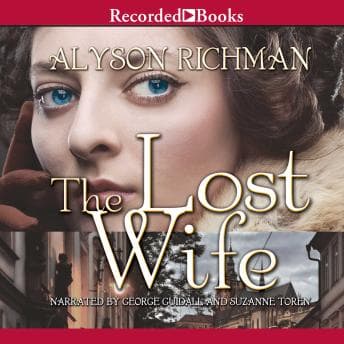

I was supposed to be grading sophomore essays on The Great Gatsby. It was 11:47 PM, the stack beside me wasn't getting any smaller, and I'd promised Denise I'd be in bed by midnight. Then Lenka and Josef's wedding scene happened, and I set down my red pen. The essays could wait. Fitzgerald would understand—he knew something about doomed love and beautiful destruction.
This is why we still read the classics, even when they're new.
What Richman Understands About Memory
The structure here is deceptively simple—dual timelines, dual narrators, husband and wife separated by the machinery of genocide. We've seen this before. But Richman does something quietly devastating with the art. Lenka isn't just an artist who happens to survive Terezín. Her survival is inseparable from her ability to create, to document, to bear witness through drawing. The Nazi ghetto had a secret art program, and Richman weaves this historical reality into Lenka's story with the kind of restraint that makes the horror land harder.
Josef's chapters in America carry a different weight—the guilt of the survivor who wasn't there, who built a new life on the foundation of grief. His success as an obstetrician feels almost obscene against what Lenka endured. (My students would call this "dramatic irony." I'd tell them it's just life being cruel and precise.)
Two Voices, Two Continents of Pain
George Guidall and Suzanne Toren split the narration between Josef and Lenka, and the choice pays off. Guidall brings a measured, almost clinical quality to Josef's sections—appropriate for a man who's spent decades compartmentalizing. Toren's Lenka carries something rawer, more immediate, even when describing events from decades past. The contrast creates this sense of two people processing the same catastrophe in fundamentally different emotional languages.
I don't have specifics on how they differentiated the supporting characters, but honestly? It didn't matter. The power here isn't in vocal acrobatics. It's in the sustained emotional register, the way both narrators understand that pause is punctuation. When Lenka describes the conditions in Terezín, Toren doesn't rush. She lets the silence do some of the work. That's performance art.
The Recognition Scene We're All Waiting For
You know it's coming. The title tells you. The description tells you. And yet when that moment of recognition finally arrives in New York—decades later, an entire ocean and lifetime away—I had to pause the audiobook. Not because it was surprising. Because Richman had earned it so completely that the inevitability became its own kind of devastation.
This reminds me of what Hemingway said about writing—you can omit anything if you know it well enough, and the omitted part will strengthen the story. Richman knows exactly what to withhold and when to reveal. The reunion isn't the climax. It's the beginning of a different kind of reckoning.
Fair Warning for the Tender-Hearted
Let me be direct: this is not background listening. This is not housework audio. This is the kind of book that requires you to pull over if you're driving, to close the laptop if you're pretending to work. The Holocaust content is handled with historical seriousness—not exploitative, but unflinching. If you need content warnings for violence and trauma, consider yourself warned.
I listened to most of this on my lakefront walks with Denise, and she got used to me going quiet for long stretches. At one point she asked if I was okay. I wasn't, really. But in the way good literature makes you not okay—it cracks something open that needed cracking.
Who Should Press Play (And Who Should Skip)
If you loved The Tattooist of Auschwitz or All the Light We Cannot See, this is their spiritual successor. Defiant Queen operates in a completely different genre, but it shares that same commitment to characters who refuse to be broken by impossible circumstances. If you're teaching the Holocaust to teenagers who think they've heard it all, this might break through. If you're the kind of reader who believes love stories should cost something, should leave scars, should matter—this is your book.
Skip it if you want resolution without earning it. Skip it if you need your historical fiction to keep the horror at arm's length. This one doesn't.
Worth Every Ungraded Essay
Ten hours. That's what this asks of you. I gave it three nights of grading time I'll never get back, and I'd do it again. The prose deserves to be savored at 1.0x—Richman writes with a painter's eye for detail, and Guidall and Toren honor that precision. My students would probably find it slow. They'd be wrong.
Some books remind you why you fell in love with reading in the first place. This one reminded me why I fell in love with teaching literature—because stories like this change people. They changed me, anyway. Somewhere in hour seven, grading Gatsby essays started to feel less like obligation and more like privilege. We get to study love and loss and survival. We get to pass these stories forward.
The Lost Wife isn't just a love story. It's an argument for memory itself—for art, for witness, for the stubborn human insistence on connection across impossible distances. Principal Martinez, if you're reading this, I was definitely paying attention in that budget meeting. But I was also thinking about Prague in 1939, and what it costs to survive, and whether any of us truly know what we'd sacrifice for love.
I still don't have an answer. But I'm grateful for the question.