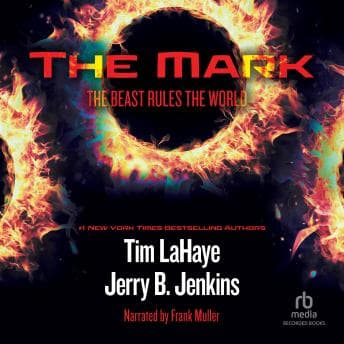

Most of my colleagues in the English department turn their noses up at the Left Behind series. They want The Grapes of Wrath, not the Wrath of God in paperback form. And look, I get it. I usually spend my time dissecting sentence structures in Beloved or trying to convince seventeen-year-olds that The Great Gatsby isn't just about parties.
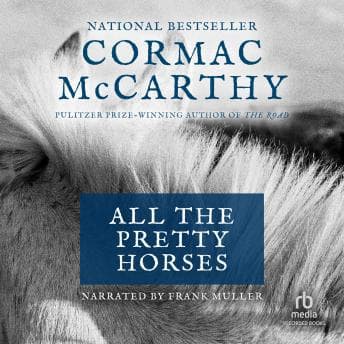
But here's the thing—I saw Frank Muller's name on the cover.
If you know audiobooks, you know Muller. The man was a titan. He could read the cafeteria lunch menu and make it sound like the Fall of Rome. So, I put aside my literary snobbery, popped this on while grading a stack of truly disastrous essays on Macbeth, and let the apocalypse roll.
When the Narrator Elevates the Text
Let's be honest about the writing for a second. Jenkins and LaHaye aren't trying to be Faulkner. The prose is functional. It's meant to move you from Point A (The Rapture) to Point B (The Guillotine) as fast as possible. In lesser hands, this could feel flat.
But Muller? He treats this like it's high theater.
(Seriously, the man understands that performance is interpretation.)
His voice for Nicolae Carpathia—the Antichrist—is chilling. It's got this smooth, Dracula-esque cadence that makes your skin crawl. It reminds me of how a good actor plays Iago; charming enough to fool the world, but with that underlying hiss of malice. He doesn't just read the dialogue; he inhabits the villainy. My wife Denise caught me listening in the kitchen and asked if I was listening to a horror movie. I basically was.
The Hamster Wheel Problem
Okay, so the narration is a solid 5/5. The story structure? That's where the "pop thriller" seams show.
There is a lot of repetition. The characters spend a huge chunk of time worrying about where the other characters are, or recapping what just happened for anyone who might've dozed off in the back pew. As an editor, my red pen was twitching.
And the tension relies heavily on the "will they/won't they" of taking the Mark. It's effective—the stakes literally couldn't be higher—but it can feel like you're running hard while the plot isn't moving forward as fast as the action implies.
(Also, fair warning: it gets gritty. There's a level of violence here that surprised me. Not exactly "cozy mystery" vibes.)
Why I Kept Listening
Despite the repetition, and despite the fact that I usually prefer my existential dread to be a bit more subtle (looking at you, Kafka), I finished it.
Why? Because Muller takes the raw materials of a theological thriller and builds a cathedral of sound. He adds gravity to the cheesy lines and genuine terror to the suspense sequences.
It reminds me of the serialized fiction of the 19th century—Dickens or Collins. It's melodramatic, sure. It's not subtle. But it hooks you. And sometimes, after a long day of explaining semi-colons to teenagers who don't care, you just want a story where the stakes are clear and the narrator makes you feel every heartbeat.
Who's This For?
If you're already invested in the Left Behind series, this is essential listening. If you're a Frank Muller completist, same deal—his Carpathia alone is worth the runtime. Skip it if you need literary prose or can't stomach explicit religious themes woven through your thrillers. His work on Dark Tower II: The Drawing of the Three shows that same range—completely different world, equally mesmerizing.
The Final Grade
Listen for Muller. He was one of the greats, and he proves here that a great narrator can make anything compelling. Even the end of the world.