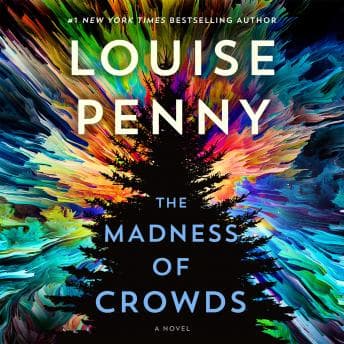

"You're a coward."
That line hits different when you're listening at 2 AM, wrapped in a blanket, with Shirley purring on my chest like she hasn't a care in the world. Meanwhile, I'm sitting here genuinely unsettled - not by a ghost, not by a monster, but by an idea. Louise Penny gets it. She understands that the scariest thing isn't what goes bump in the night. It's what happens when ordinary people start believing terrible things together.
Look, I came to this as a horror person dipping into mystery territory. The Gamache series has always flirted with something darker than your average whodunit, but The Madness of Crowds goes full psychological horror. A professor of statistics with a eugenics agenda? The slow infection of a community with poisonous ideology? This understands that horror isn't about gore - it's about dread. And the dread here is real because we've all watched versions of this play out.
How Poison Spreads
Penny does something brilliant here. She doesn't give us a villain twirling a mustache. Professor Abigail Robinson is charming, articulate, reasonable-sounding. That's the point. That's what makes it terrifying. The way her ideas seep into Three Pines - a village we've come to love as this cozy, safe haven - watching that corruption happen in real time made my skin crawl more than most horror novels I've covered on the podcast.
The murder, when it comes, almost feels secondary. I mean, it's not - Penny's too skilled for that - but the real crime is what's happening to the community. Wife Between Us pulls a similar trick - the crime matters less than the slow reveal of how perception warps reality. The arguments at dinner tables. The friends turning on each other. The way "just asking questions" becomes a weapon. My podcast listeners are going to love this because it's essentially a case study in how mass delusion works, wrapped in a mystery.
But here's the thing. Some listeners are going to find the pacing frustrating. This is a slow burn. Like, genuinely slow. There's repetition - themes hammered home, conversations that circle back. If you're looking for a tight, fast mystery? This ain't it. Penny's playing a longer game, and whether that works for you depends on your patience threshold.
Robert Bathurst: The Complicated Voice
Okay, so. Robert Bathurst. His narration is calm, collected, almost meditative. For Gamache specifically, it works beautifully - this quiet authority, this moral weight that Bathurst brings to the character. When Gamache is wrestling with the accusation of cowardice - when he's questioning whether protecting people from dangerous ideas is censorship or duty - Bathurst makes you feel that internal conflict.
The character voices are solid. He distinguishes between Gamache, Beauvoir, the various villagers. The production is clean - no weird audio issues, no distracting background noise.
But. (There's always a but.)
The French. Look, this is set in Quebec. French is woven throughout the text. And Bathurst's pronunciation is... not great. "Ça va bien aller" is a recurring phrase - it's literally on the cover - and every time it came up, I winced a little. Some listeners won't care. Some will find it pulls them out of the story. I'm somewhere in the middle - it bothered me but not enough to stop listening.
The bigger issue for some people is the British accent itself. Gamache is Quebecois. Having him voiced with a distinctly British cadence is a choice. I've seen listeners really struggle with this, especially if they've imagined the character differently. For me, coming in without series baggage, I adjusted. But if you're a longtime fan with a specific voice in your head? Your mileage may vary.
Who This Haunts (And Who Should Walk Away)
Here's where I land: this is a smart, uncomfortable book that uses the mystery genre to explore something genuinely horrifying about human nature. Penny writes beautifully - there are passages here that stopped me cold, made me rewind and listen again. The way she captures how quickly "us vs. them" thinking can take hold? Shirley Jackson walked so this author could run. That same psychological unraveling - watching people turn on each other - is what makes Gone Girl so effective at getting under your skin.
Bathurst's narration serves the material well enough, even with the French pronunciation issues. He commits to the emotional weight of the story, and that matters more than accent accuracy (fight me).
But I can't pretend this is a perfect audiobook experience. The pacing drags in places. There's padding that a tighter edit would've cut. And at nearly 15 hours, you're going to feel that length.
Listen if: you want horror that comes from watching communities tear themselves apart, you appreciate slow-burn psychological dread, or you're a Gamache fan who can roll with Bathurst's British take. Skip if: you need tight pacing, accurate French pronunciation is a dealbreaker, or you scare easily from ideas rather than monsters.
I listened over three nights. Mistake? Maybe. Worth it? Absolutely. Shirley (my cat) was unimpressed by my existential crisis at 3 AM. She's seen worse from me during horror movie marathons.
The Podcast Host's Take
Horror that respects the genre - even when it's wearing a mystery's clothes.