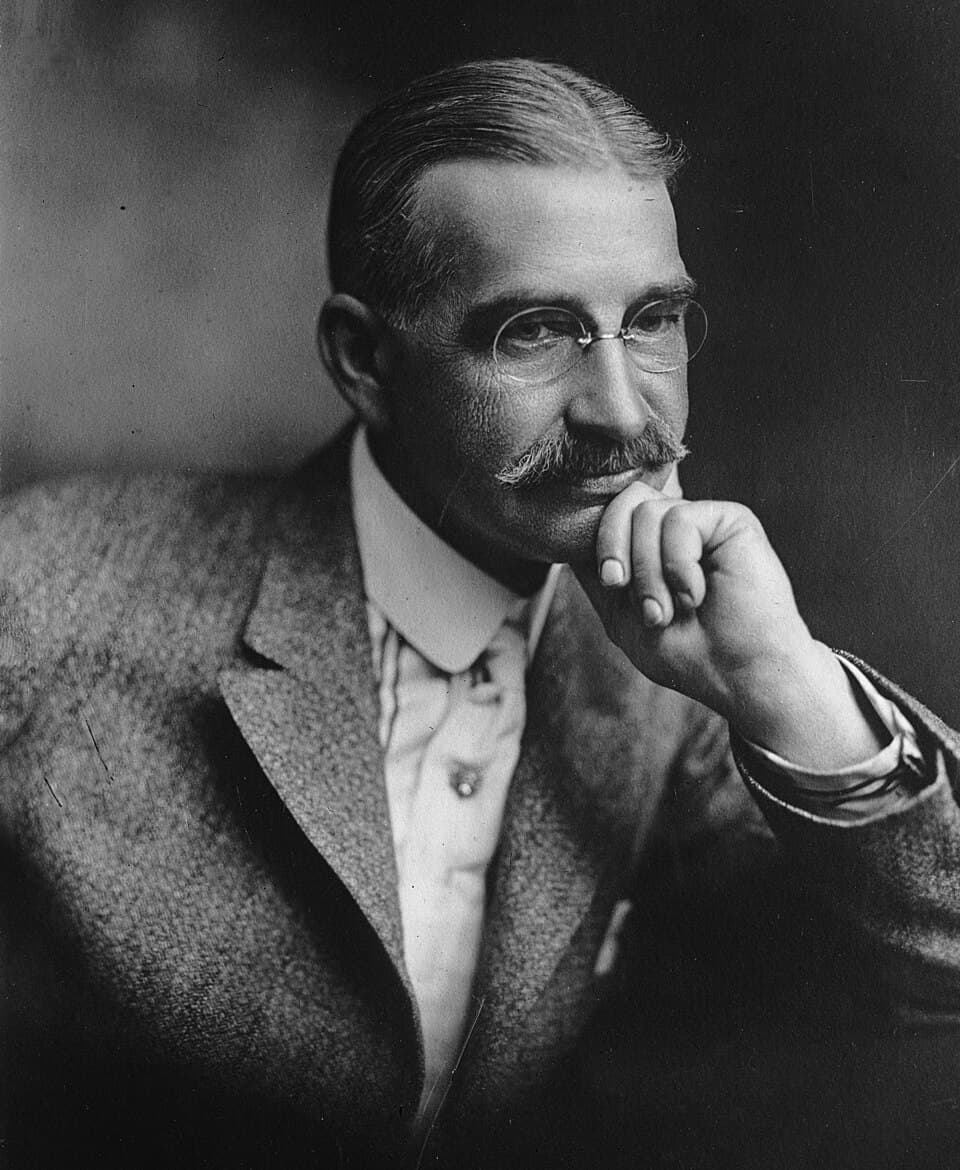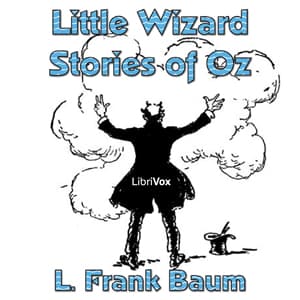

Look, I have a complaint. I teach American literature to teenagers who think anything written before 2015 is ancient scripture, and I've spent two decades trying to convince them that L. Frank Baum was doing something genuinely weird and wonderful with the Oz books. And then I sit down with Little Wizard Stories of Oz — six tiny stories, barely over an hour — and I realize Baum himself couldn't even convince his own audience to care about anything except Oz. The man tried to quit. He wrote The Sea Fairies. He wrote Sky Island. Nobody cared. His young readers — his "little tyrants," as he called them — dragged him back. There's something beautifully tragic about that. The most beloved children's fantasy writer of his era, held hostage by his own creation.
And honestly? These stories feel like a man who came back willingly, even if he pretended otherwise.
Six Stories, Six Old Friends, Zero Fat
What strikes me about these little tales is how efficient they are. Each one isolates a single Oz character — the Cowardly Lion, Dorothy, the Tin Woodman, Jack Pumpkinhead, the Scarecrow, Tik-Tok — and drops them into a miniature crisis. The Cowardly Lion gets captured by a spider. Jack Pumpkinhead's head rots (which, if you think about it, is genuinely horrifying for a children's story — a character whose identity literally decays and must be replaced). Tik-Tok winds down at the worst possible moment because, well, he's a clockwork man and nobody remembered to wind him.
This reminds me of what Hemingway said about prose being like an iceberg — these stories show you the surface, but Baum's whole invented world sits underneath, assumed and trusted. He doesn't waste a single paragraph re-explaining how Oz works. You're either in or you're not. For 1913, that's remarkably confident serialized storytelling. My students would probably call it "worldbuilding" without knowing they're describing something a guy in a bow tie figured out over a century ago.
The Jack Pumpkinhead story sticks with me. There's a quiet existential dread in a character who knows his head — his self — is perishable. Baum plays it light, but the idea is dark as anything in Kafka. A pumpkin head that spoils. A new one carved, but is it still him? Baum never asks the question directly. He doesn't have to. The prose deserves to be savored, even in these tiny portions. That same kind of quiet, unsettling atmosphere — a world rendered so precisely it crawls under your skin — is something I encountered again in Yellow House, though in a completely different register.
Maddie at the Microphone
So here's where I have to be honest: the research gave me almost nothing specific about Maddie's narration, and this is a LibriVox recording, which means volunteer reader, which means you're getting earnest effort rather than professional polish. I want to be fair about that. LibriVox narrators are doing a public service — literally giving these texts a voice for free — and Maddie's reading is straightforward and clear. She doesn't try to do wildly different character voices, and for stories this short, that's fine. You're not going to get the kind of interpretive performance where the narrator understands that pause is punctuation — this is more of a clean, respectful read-through.
At 1 hour and 12 minutes, the commitment level is basically nothing. I listened to the whole thing during a Sunday morning walk along the lakefront with Denise, who kept asking why I was smiling at my phone. (I was thinking about Jack Pumpkinhead's existential crisis. She was thinking about brunch. Marriage is compromise.)
The production is clean enough. No weird audio artifacts, no jarring cuts between stories. For a free recording, it does the job.
Who Gets an A, Who Gets a Hall Pass
If you loved The Wonderful Wizard of Oz and want a quick hit of that world without committing to a full novel — this is a perfect little appetizer. Parents looking for bedtime stories that clock in at about ten minutes each? Ideal. And if you're an Oz completist trying to fill gaps in the canon, these six stories are charming footnotes to a larger project.
But if you're coming in cold, with no Oz background, you'll feel like you walked into the middle of someone else's family reunion. Baum assumes you already know these people. He doesn't introduce them — he just puts them to work.
My students would hate this. Too short to generate a decent essay, too old-fashioned for their TikTok-poisoned attention spans. I love it. This is why we still read the classics — even the minor ones, even the ones written under protest by a man who couldn't escape his own imagination.
The Grade on Baum's Reluctant Return
A charming, tiny collection that proves Baum couldn't help being good at Oz even when he was trying to be done with it. The narration is serviceable rather than spectacular, and the format — six independent micro-stories — makes this ideal for bedtime or short walks. Worth pausing the faculty meeting for? Probably not. Worth an hour on a quiet Sunday? Absolutely.