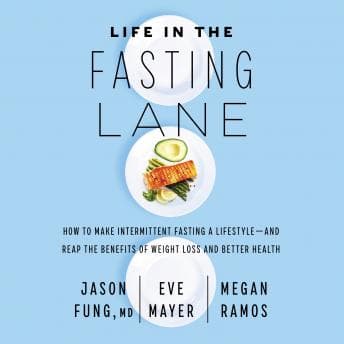

"Snacking is a modern invention. We are designed to cycle between feasting and fasting."
I heard this line somewhere in the first hour—I was on the rowing machine, trying to ignore the guy grunting next to me—and it hit home. Growing up in Koreatown, my parents didn't "graze." They worked. They ate when the dry cleaning machines stopped running. They were lean by default. Now? We have "wellness experts" telling us to eat almonds every two hours to keep our metabolism burning.
This book basically calls BS on that entire industry.
The Three-Headed Consulting Team
Here's the setup. You've got three authors and three narrators. Usually, this is a disaster—feels like a committee meeting that should've been an email. But here? It actually works for the ROI.
Think of it like a consulting engagement:
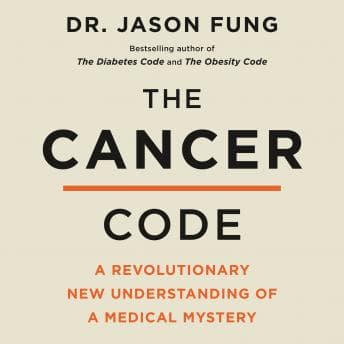
- Dr. Jason Fung (Narrated by Brian Nishii): He's the Senior Partner. Delivers the hard data, the science, the insulin theory. Nishii's voice is crisp, authoritative. No fluff. I cranked him up to 2.5x speed because I've read Fung's The Obesity Code (which is the textbook version of this). If you've read that, Fung's sections here are a refresher.
- Megan Ramos: She's the Engagement Manager. Runs the clinic. Tells you how to actually do the implementation without passing out.
- Eve Mayer (Narrated by Piper Goodeve): She's the Client. The patient. The one struggling with the emotional side of not eating a bagel at 10 AM.
Honestly, I usually skip the "personal journey" chapters in business books. I don't care about your feelings; I care about the P&L. But Eve's sections—voiced by Piper Goodeve—offer a necessary counterweight. Fung is clinical; Eve is relatable. My wife Jenny would listen for Eve. I listen for Fung. It balances the portfolio.
The ROI on Hunger
Most diet books are 90% filler and 10% recipes you'll never cook. Think Like a Freak has that same no-BS approach to cutting through conventional wisdom. Life in the Fasting Lane is more like an operations manual for your body.
The comparison here is critical: If The Obesity Code is the "Why," this book is the "How." It's way less dense. It tackles the social awkwardness of sitting at a business lunch with an empty plate (something I deal with constantly).
Here's where my efficiency brain hurts—it gets repetitive. There's a lot of reinforcing the same points about insulin resistance. By Chapter 6, I was like, "Okay, we get it. Sugar bad. Fasting good. Move on."
The narration hand-offs can be jarring too. You go from Nishii's lecture-hall vibe to Goodeve's conversational tone pretty fast. It keeps you awake, I guess. But if you're looking for a smooth, single-voice background listen while coding or modeling Excel, this might break your flow.
Who Gets Value Here (And Who Doesn't)
Skip this if you already follow the bio-hacking space or listen to Huberman—you know this stuff. But if you're trying to explain to your spouse why you're skipping breakfast, or if you need a structured plan that isn't just "stop eating," this is the asset you buy.
Black Coffee and the Bottom Line
It's practical. It respects the difficulty of the lifestyle change. It acknowledges that social pressure is the biggest hurdle to fasting—a variable most doctors ignore.
Not perfect. It circles the runway a few times before landing. But it convinced me to skip lunch today and I didn't die. Positive ROI.