
When's the last time you wrote a letter - a real letter - to someone who wasn't going to pay you for it?
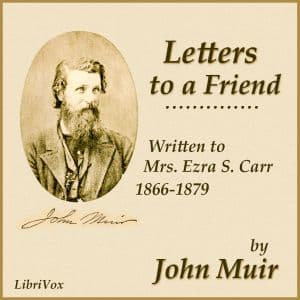
I was up at 1 AM, couldn't sleep, Jenny passed out next to me, and I figured I'd knock out something short from my queue. Letters to a Friend clocks in at under four hours, which in business book terms is basically a tweet. But here's the thing: John Muir packed more genuine insight about purpose, vocation, and what it means to actually live your work into these letters than most authors manage in 12-hour manifestos about "finding your passion."
A Dry Cleaner's Son Reading a Botanist's Mail
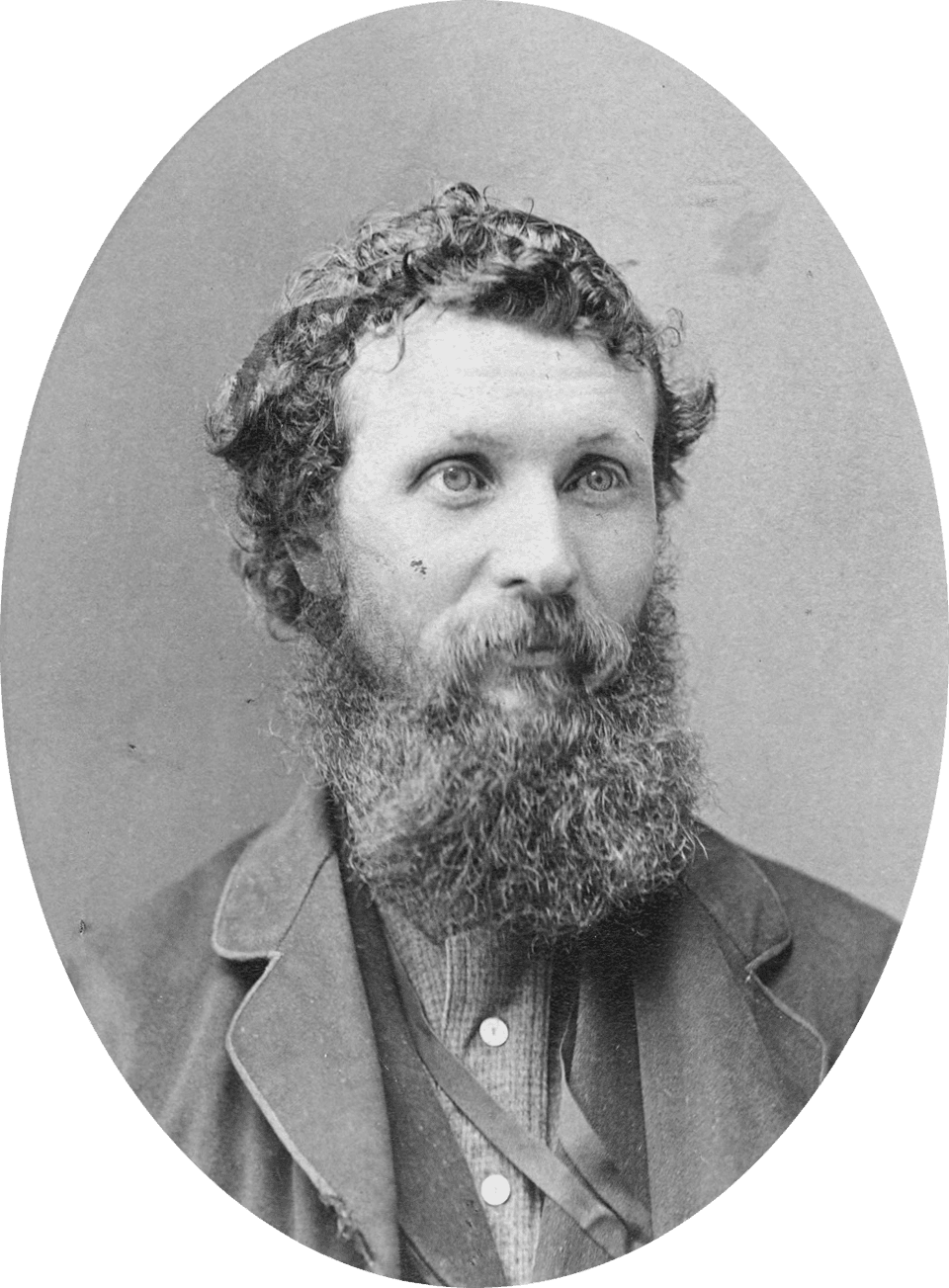
Muir wrote these letters to Jeanne Carr - his professor's wife, a botanist herself - between 1866 and 1879. That's post-university through his first decade in California. And what struck me, lying there in the dark listening to Paul Fleischman read them, is that Muir was basically a startup founder who chose trees over term sheets. He walked away from conventional career paths, nearly went blind in an industrial accident, and then just... wandered into the wilderness. Permanently.
My parents would've called this insanity. My dad pressed shirts for 14 hours a day so I could go to McKinsey. Muir pressed flowers and wrote about glaciers. But here's what got me - the man's letters about Yosemite Valley, the way he describes light moving across granite, the obsessive cataloging of every plant species he encounters - that's the same energy my mom had reorganizing the shop at midnight. Different output, identical dedication. Muir wasn't on vacation. He was doing the hardest, most unglamorous version of his life's work, and these letters are the receipts.
The early letters especially hit different. Young Muir writing about the tension between religion and nature, trying to reconcile what church told him with what the mountains were showing him - that's a conversation I recognize from every Korean church basement I sat in as a kid. He's working it out in real time, letter by letter, and Jeanne Carr is the one person who doesn't tell him to just get a job.
Fleischman Reads Like a Man Who's Actually Been Outside
Paul Fleischman's narration is the right call here. Clear, warm, no theatrics. He doesn't try to "perform" Muir - no fake Scottish accent, no dramatic pauses when Muir describes a waterfall. He reads like someone sharing a friend's letter over coffee, which is exactly what this material needs. The only other narration I've heard recently that achieves something similar is the cast recording on Mansfield Park — different era, different medium, same rare quality of making old correspondence feel like it's happening right now. His pacing matches the contemplative rhythm of the writing without dragging, which is harder than it sounds when you're reading 19th-century correspondence.
At 2.0x, this was totally listenable - Fleischman's enunciation is clean enough that the speed doesn't blur his words. At normal speed, I could see some listeners finding it meditative. At 2.0x, it felt like a really good long podcast episode about a guy who quit his job to go live in the woods and accidentally invented the conservation movement.
The ROI Problem (And Why It Doesn't Apply Here)
Look, I usually evaluate everything through an ROI lens. Time invested versus insight extracted. And by that metric, this book is... weird. There's no framework. No seven habits. No actionable takeaways you can implement Monday morning. Muir isn't trying to teach you anything. He's just writing to his friend about what he sees and feels.
But at 3 hours and 50 minutes, it doesn't waste your time either. There's no padding. No ghost-written filler chapters. Every letter is Muir's actual words, and the man wrote like someone who knew ink cost money. His descriptions of Sierra Nevada seasons, the way he anthropomorphizes squirrels and water ouzels with genuine scientific curiosity underneath the affection - it's precise and alive in a way that most "nature writing" books try and fail to replicate.
This is what my parents did instinctively. Now it has a TED talk. Except Muir never got the TED talk. He just wrote letters and wandered mountains and somehow those letters helped create the National Park system. The ultimate long-game ROI, if you want to be cynical about it. I kind of do.
Jenny would say I'm being harsh calling this a "low-ROI listen." Jenny is right. Some things aren't supposed to have ROI. That's the whole point Muir is making, letter after letter - that not everything needs to be optimized, monetized, scaled.
Who Gets Value Here (And Who Won't)
If you need a break from hustle culture books that tell you to wake up at 4 AM and journal your way to seven figures - this is your palate cleanser. If you want to understand the person behind Yosemite before it became an Instagram backdrop - this delivers. If you're looking for business lessons, skip it.
But if you're a founder or consultant running on fumes at 1 AM wondering why you do what you do? A few hours with a man who found his answer in granite and glaciers might be exactly the reset you didn't know you needed.
I slept better after finishing it. That's worth something.