
Purgatory is an airport. That's the premise of Layoverland, and honestly? As someone who once spent three hours at gate B7 with a screaming toddler and a preschooler who needed to pee every eleven minutes, I felt spiritually prepared for this book.
I started listening in the pediatrician's waiting room during Sophie's two-year checkup — sitting in an uncomfortable chair, surrounded by coughing strangers, watching a muted TV playing something nobody asked for. And then Bea wakes up dead in basically the same scenario, except with worse food. The irony was not lost on me.
Purgatory Has a Food Court (And It's as Depressing as You'd Expect)
Here's the setup: Bea dies in a car accident, wakes up on a plane, and discovers she's in purgatory — which looks exactly like a sad, endless airport terminal. Bad food, fluorescent lighting, uncomfortable seating, the whole vibe. To earn her way to heaven, she has to counsel five thousand souls through their unresolved issues. Five thousand. As a former manager who once had seven direct reports and thought THAT was too many people's problems to handle, I felt for this girl on a spiritual level.
But here's the twist that actually makes this interesting — one of her first assignments is Caleb. The boy whose car hit hers. The boy who killed her. And she has to help HIM move on.
That's a setup that could go very wrong, very saccharine, very "forgiveness heals all wounds." And Gabby Noone doesn't totally avoid that territory, but she takes a weird enough route through it that I didn't mind the destination. Bea is angry and petty and seventeen, and the book lets her be all of those things without rushing her toward some big enlightened moment. She's annoyed by the bad airport coffee. She's snarky with her purgatory supervisor. She doesn't want to forgive Caleb, and the book doesn't force her hand for a satisfyingly long time.
Not groundbreaking, but sometimes you don't need groundbreaking. Sometimes you need a dead girl being petty about cafeteria food in the afterlife.
The Sister Thing Got Me (Don't Say I Didn't Warn You)
I have three kids. The relationship between Bea and her little sister Emmy is the emotional engine of this whole book, and it hit me way harder than I expected from a YA novel about airport purgatory. Bea's guilt about Emmy — about what happened on her last day alive, about the ways she thinks she ruined her sister's life — is the thing that makes this more than just a cute romantic comedy concept. There are moments where Bea talks about small, domestic, nothing-special memories with Emmy, exactly the kind of moments I have with Emma every day without thinking about them, and I had to pause the audiobook and pretend I had something in my eye.
(I was in the school pickup line. Emma asked why my face was red. I blamed allergies. In January.)
The romance with Caleb is sweet and works fine — he's got that quiet, guilty-boy energy going on — but it's the sister relationship that stayed with me after the book ended. If you've ever felt like you failed someone you love, this book will find that bruise and press on it. Gently. But still.
Sophie Amoss Understood the Assignment
The narrator does something really smart with Bea's voice — she sounds young but exhausted in a very specific way. Not world-weary adult exhausted, but "seventeen-year-old who just found out the afterlife has bureaucracy" exhausted. There's this dry, slightly flat delivery for Bea's internal commentary that made me genuinely laugh out loud more than once. And when other characters cycle through — and there are a LOT, because Bea's basically doing therapy intake for the dead — Amoss gives each one enough distinction that I never lost track of who was talking. Even after pausing to wrestle a Pull-Up onto a toddler and coming back ten minutes later.
Survived 47 pauses and still made sense. That's not nothing for a book with this many side characters rotating in and out.
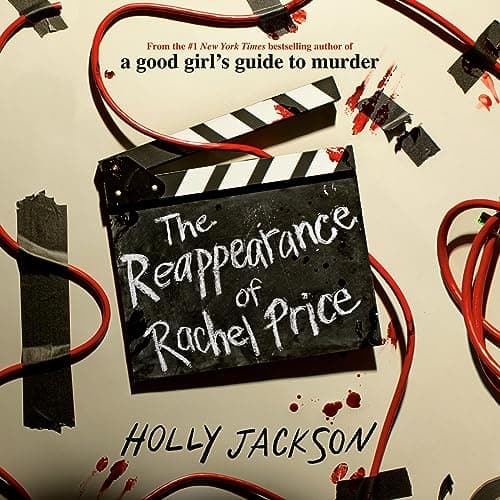
I've heard Sophie Amoss in a few audiobooks by now, and The Reappearance of Rachel Price flexes a completely different muscle—creepy, twisty, and so tense I sat in my driveway for ten extra minutes just to finish a chapter.Perfect for the Mom Who Misses YA But Has Zero Time
This is technically YA, and I want to be upfront about that. If you need deep, literary emotional complexity, this isn't your book. The purgatory world-building is fun but thin — don't pull at the threads too hard. And the ending wraps up a little more neatly than real grief ever does. But satisfying ending — exactly what I needed after the week I had.
At under eight hours, I finished this during nap times and drop-offs in four days. High praise. It's perfect for multitasking moms who read a lot of YA before kids and miss it, or any adult who's ever sat in an airport thinking "this might actually be hell" and wants a book that agrees.
Fair warning though: there's discussion of cancer (leukemia, specifically), a car accident death, and some heavier topics that might catch you off guard in what seems like a light read. Not inappropriate for older teens, but worth knowing.
Made me cry at school pickup. Worth it though.