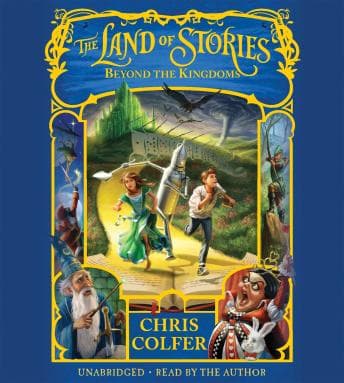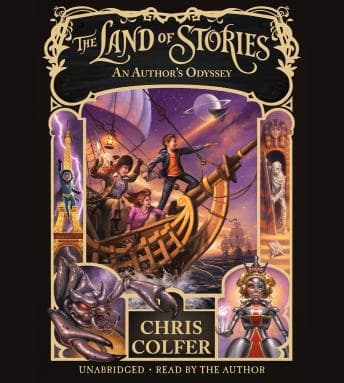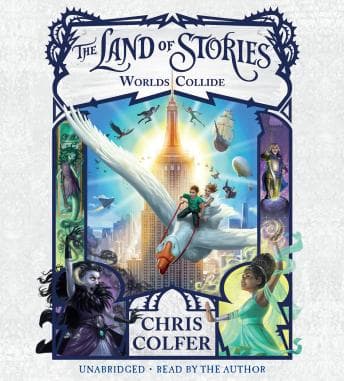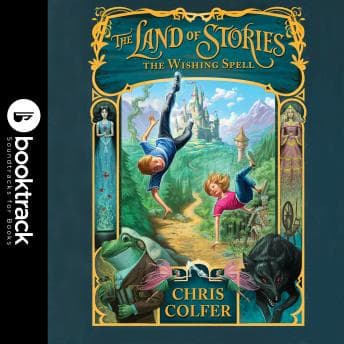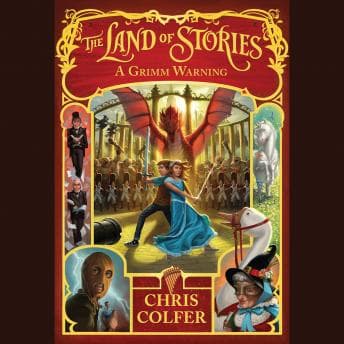

What happens when the guy who wrote the book is also the guy reading it to you? Like, is that automatically good, or is it a recipe for disaster?
I've been burned before by author-narrated audiobooks. Some writers just... shouldn't be behind a microphone. That's why I was skeptical going in—though honestly, even 10% Happier had me worried at first with Dan Harris narrating his own journey. But Chris Colfer? The dude from Glee? He's got actual performance chops, and it shows. This is one of those rare cases where the author-narrator combo just works.
When Your DM Is Also Your Bard
Look, I'll be honest—I picked this up because my D&D group has been running a fairy tale campaign and I needed inspiration. (Yes, we're all adults. No, I'm not ashamed.) What I got was 10 hours of surprisingly solid world-building wrapped in a children's book package.
Colfer does something really smart here: he gives every character a distinct voice. Not just "slightly different pitch" distinct—we're talking full-on accents, personality quirks, the whole deal. Mother Goose sounds like your eccentric aunt who's had too much wine at Thanksgiving. The fairy tale characters feel pulled straight from a more theatrical tradition. It's giving community theater in the best possible way.
When you write characters AND voice them, you know exactly how they're supposed to sound. Colfer clearly had these voices in his head while writing, and now we get to hear them the way he intended. That's kind of rare.
The Lore Goes Deep
Okay, so here's where my thesis-procrastinating brain got interested. The premise—Brothers Grimm left a secret code, twins have to save both the real world AND the fairy tale world—is basically a love letter to fairy tale mythology. Colfer's doing something clever with the source material. He's not just throwing Cinderella and Snow White into a blender; he's actually building a coherent magic system around how these stories work.
(Is it Sanderson-level? No. But for a kids' book? The progression is satisfying.)
The Europe adventure with Conner and his classmate Bree adds this fun real-world grounding. Meanwhile Alex is training to be Fairy Godmother, which—and I say this as someone who's designed way too many D&D classes—is actually a cool character arc. Her wish-granting keeps going wrong, and watching her figure it out feels earned.
My D&D group would love this, honestly. The way Colfer treats fairy tales as a living, breathing world with its own rules and politics? That's the good stuff.
A Few Failed Saving Throws
Alright, I gotta be real about some things.
There's this habit Colfer has—both in the writing and the performance—of stretching out dramatic moments. The "Nooooo!" thing gets old. Like, I get it, stakes are high, but after the fourth extended "NOOOOOO" I was kind of over it.
And look, some of the plot resolutions are... convenient. Deus ex machina convenient. The kind of thing where you're listening and you go "wait, that was the solution? That just... happened?" It's a kids' book, so I'm not expecting grimdark consequences, but a few twists felt like Colfer wrote himself into corners and just... teleported out.
The narration itself is clean though. No production issues, pacing keeps moving. Colfer knows when to speed up for action and when to slow down for emotional beats. He's an actor first, and that training shows.
Roll for Initiative (Or Don't)
Here's the thing—this isn't for me. I'm a 26-year-old grad student who should be writing about procedural generation instead of listening to fairy tale adventures. But I can absolutely see why families love this. One listener mentioned getting through a 10-hour road trip with their kids using this audiobook, and yeah, that tracks. It's engaging enough for adults to not want to drive into a ditch, and fun enough for kids to stay off their screens.
Who should listen: Families with young fantasy readers, anyone running a fairy tale campaign who needs inspiration, or folks looking for something lighter between Stormlight books. Who should skip: If you need grimdark stakes and airtight plot logic, this one's not your quest.
For my fellow adult fantasy nerds? Maybe not your primary listen. But if you want inspiration for a fairy tale campaign setting, you could do way worse. Just don't expect it to replace your Sanderson fix.
Now if you'll excuse me, I have a thesis to continue ignoring.