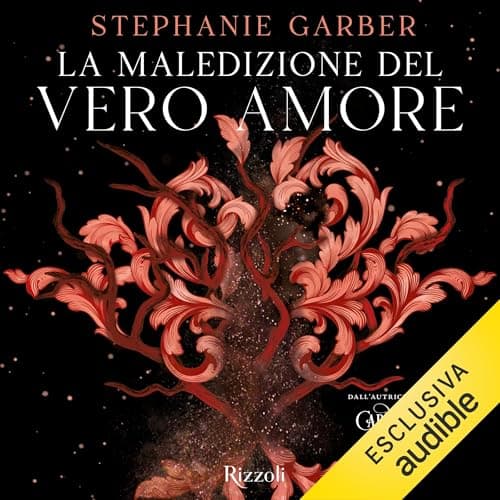

"Evangeline Volpe aveva sempre creduto che un giorno si sarebbe ritrovata in una fiaba."
That opening line hit me around hour one, while I was breaking trail through fresh snow above the Bitterroot Valley. Late afternoon light cutting through lodgepole pines, the kind of quiet where you can hear your own heartbeat between footfalls. And here's this girl believing in fairy tales — and I'm thinking, honey, I've watched enough fairy tales die with the glaciers. But I kept walking. And I kept listening.
Here's the thing about La maledizione del vero amore: it's the conclusion of Garber's Once Upon a Broken Heart trilogy, and it carries all the weight — and all the baggage — of a final volume trying to tie everything together. Some of those knots hold. A lot of them slip.
The Crypt Scene Is Why You're Here
Let me be specific. There's a scene in a crypt between Jacks and Evangeline that genuinely lands. The tension between what they remember and what's been stolen from them, the physical space of it — cold stone, old magic, the air thick with curses that have teeth. It's one of those moments where Garber's fairy-tale architecture actually earns its rent. I stopped snowshoeing. Just stood there at 7,500 feet, breathing hard, letting the scene play out.
Jacks — the Prince of Hearts — is the emotional center of this book, and honestly, of the whole trilogy. His sadness has an edge to it, something feral and unresolvable, which is more interesting than Evangeline's wide-eyed belief in happy endings. When the book finally reveals the full weight of the curse and what it's cost him, there's a genuine pang of grief there. Not romanticized grief. Real grief. The kind where the thing you lost isn't coming back the way you imagined.
But then the finale rushes in like a chinook wind and melts everything too fast. The revelations stack up in the last couple hours without enough room to breathe. You can feel Garber sprinting toward resolution, and the landing is... soft. Too soft. Like fresh powder that looks deep but you punch through to hard pack underneath.
Apollo's Pages vs. The Pages You Actually Want
One of my real frustrations: Apollo. Evangeline's prince-husband operates through deception and control, and that's fine as a plot mechanism, but his internal logic stays surface-level. His thoughts feel written to serve plot rather than character — you never quite believe he's a person with actual depth. And there are stretches where the book lingers on his perspective when I'm desperate to get back to Jacks, to the woman scheming for Jacks's affection, to anything with actual stakes beyond "handsome prince does possessive thing."
The world-building stays contained, too. The Magnificent North should feel vast and dangerous, but Garber keeps us mostly in the castle and its immediate surroundings. Compare that to the first two books in the trilogy, which had more momentum and wider scope. This one feels like it's pacing back and forth in a single room. Static. The ambition narrowed when it should have expanded. Fool's Errand managed that same kind of widening scope in a final volume — Hobb trusted her darkness all the way to the treeline and kept walking.
Chiara Leoncini Carries More Than Her Share
Now — the narration. Chiara Leoncini is doing serious work here. Her reading sits right between intimate and theatrical, which is exactly what fairy-tale fantasy needs. She doesn't oversell the emotional beats, and when the crypt scene hits, her restraint is what makes it land. She works well for both younger listeners and adults who grew up on this kind of story.
I don't have major complaints about the audio production. Clean, well-paced delivery. At 9 hours and 24 minutes, it's not a massive commitment, but Leoncini earns every minute. The book's weaknesses aren't hers.
Who Should Wander Into These Woods (And Who Should Turn Back)
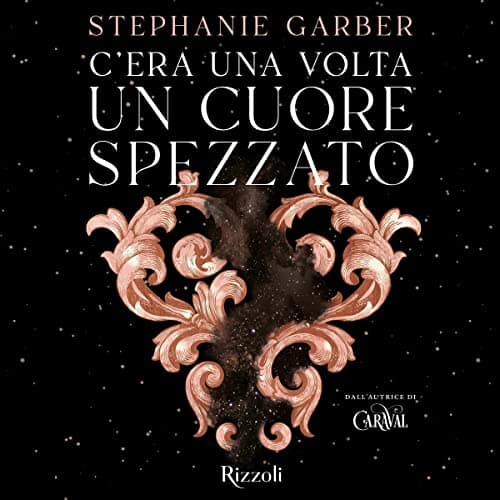
If you loved the first two books — C'era una volta un cuore spezzato and the second installment — and you need to know how Jacks's story ends, this will give you that. The emotional payoff for his character is real, even if the path there stumbles.
But if you're coming in hoping for a conclusion that matches the sweep and pacing of the earlier volumes, temper that expectation. Skip this one if you need tight plotting and a finale that sticks its landing — you'll end up frustrated. The romance gets its moments but they're scattered and brief. The fairy-tale setting that felt alive in earlier books feels more like wallpaper here.
What the Land Taught Me About This Book
I finished the last hour at dusk, back at the cabin, woodstove just catching. And I sat with it. The story's heart is in the right place — it understands that love costs something, that curses are just grief wearing a crown. But it doesn't trust its own darkness enough. It pulls back right when it should dig in.
Nature doesn't forgive mistakes. Neither do I. But I'll forgive a flawed ending to a trilogy that gave me Jacks — a character who feels like he was carved out of real loss. That crypt scene alone is worth the listen. The rest is pretty snow on thin ice.