
Nine hours of medieval political backstabbing during a solo drive to Houston for a client meeting. Ranger stayed home for this one, which is probably for the best—he gets restless during siege scenes.
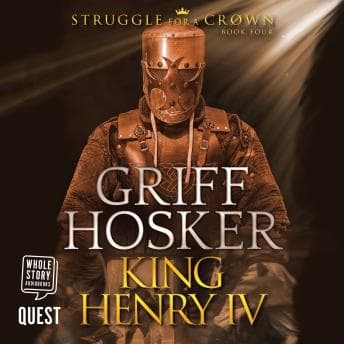
Let me cut to the chase: Griff Hosker knows his stuff. Book four in the Struggle for a Crown series drops you right into the chaos after Richard II's death, and Hosker doesn't waste time holding your hand. Henry Bolingbroke's barely got the crown on his head before everyone's plotting to knock it off. That's historically accurate, and the author clearly did their homework. The political maneuvering feels real—not the sanitized version you get in most historical fiction, but the messy, paranoid reality of medieval power. That same messy reality of power—though in a very different context—comes through in Secret Empires, where the backstabbing just wears better suits.
When Your Fictional Bodyguard Outshines the King
William Strongstaff is the kind of character I'd have wanted in my unit. Former royal bodyguard, now a lord, still getting called back into action because he's the only one the king trusts completely. I've seen this scenario play out in real life—the guy who's supposed to be retired but keeps getting pulled back because nobody else can do the job. There's something honest about that dynamic.
The Welsh rebellion under Owain Glendower and the buildup to Shrewsbury gives the book its backbone. Harry Hotspur lives up to his name—impulsive, dangerous, the kind of leader who inspires loyalty and causes strategic nightmares simultaneously. Hosker balances the larger-than-life historical figures against his fictional protagonist without making Strongstaff feel like he's stealing scenes from actual history. That's harder than it sounds.
Marston York Behind the Mic
York handles most of this well. Action sequences come through clean, and the historical exposition—which could easily bog down in lesser hands—moves at a good clip. Here's where I have to be honest though: Henry of Monmouth's voice grated on me. He sounds like a spoiled rich kid rather than the future warrior-king who'd become Henry V. Now, historically, young Henry was in his mid-teens during this period, so maybe York was going for that youthful arrogance. But when you're building toward Shrewsbury, you want to feel the steel developing in the prince. I didn't quite get that.
The rest of the character work is solid enough. Nothing that'll blow your mind, but competent differentiation that keeps you oriented during the political scheming. At 1.25x—my standard speed—the pacing held steady without any muddy dialogue.
The Fourth Book Problem
This is book four in a series, and it shows. If you've been following Strongstaff's journey, you'll appreciate the callbacks and the weight of his accumulated experience. If you're jumping in cold, you'll manage—Hosker provides enough context—but you'll miss some of the emotional investment.
Some listeners complained this one lacks the excitement of earlier entries. I'd push back on that. The political tension is the excitement here. Not every battle needs to be the climax. Sometimes the knife in the dark matters more than the sword on the field.
That said, I get the criticism. The pacing is more deliberate than explosive. If you're looking for wall-to-wall action, this isn't your book. If you want to understand how precarious Henry IV's position really was, how he spent his entire reign fighting fires on multiple fronts, this delivers.
Who's This For?
Skip it if you want a standalone experience, need constant action to stay engaged, or you're particular about voice characterization—Henry's portrayal might annoy you as much as it annoyed me.
Grab it if you're following the series, or you're interested in the early Lancastrian period and want more than dry history. The fictional framework makes the real events accessible without dumbing them down.
Mission Status: Accomplished With Minor Casualties
Nine hours well spent on I-10. Not the best in the series according to some, but I've read worse histories that called themselves non-fiction. Hosker respects the period, respects his readers, and delivers a story that feels earned rather than manufactured. The narrator mostly supports that vision, with one notable exception. Worth the credit if you're invested in the series. If you're testing the waters, maybe start with book one.
Ranger would've approved—if he'd been there to hear it.



![Steve Jobs [unabridged audiobook] audiobook cover](/_next/image?url=https%3A%2F%2Fcovers.audiobooks.com%2Fimages%2Fcovers%2Ffull%2F9788499923406.jpg&w=1920&q=75)