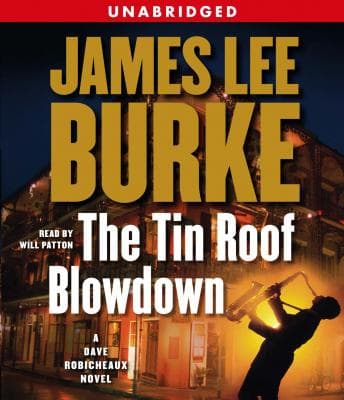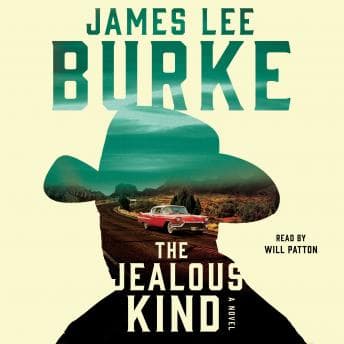

Look, I need to complain about something first. James Lee Burke writes books that are almost 12 hours long, and I'm over here with a toddler who thinks naps are optional and a 7-year-old who needs to tell me every single thing that happened at recess the second I pick her up. This book took me three weeks. THREE WEEKS. And you know what? I'm not even mad about it.
Because Burke writes the kind of prose that made me sit in my car for an extra twenty minutes after dropping Emma at soccer practice, just to hear Aaron Holland Broussard describe 1950s Houston in a way that made me smell the exhaust from those souped-up Cadillacs.
When Your First Love Story Has a Bull Named Original Sin
This isn't your typical coming-of-age romance, and thank goodness for that. Aaron meets Valerie Epstein at a drive-in and steps in when her boyfriend Grady gets rough with her—which, okay, sounds like the setup for every teen romance ever written. But Burke takes this familiar framework and dunks it in something darker. There's a rodeo scene with a bull literally named Original Sin that's so vivid I could feel the dust in my throat. The class warfare bubbling under Houston's polished surface. The Korean War looming like a storm cloud over every teenage decision.
And then there's Aaron's best friend, who's basically self-destructing in slow motion while Aaron watches helplessly. Will Patton's narration during those scenes—the way his voice carries this desperate compassion—made me cry at a red light. The mom in the minivan next to me definitely saw. Worth it though.
The Patton Problem (And Why I'm Mostly Okay With It)
Here's the thing about Will Patton's narration: it's like 85% perfect and 15% "wait, what just happened?" He captures Aaron's voice so believably that I forgot I was listening to a grown man play a teenage boy. He makes you FEEL Houston—the social groups, the tension between the haves and have-nots, the way everyone's performing their version of 1950s respectability while chaos churns underneath.
But. BUT. He does this breathy thing sometimes that yanked me right out of the story. I'd be fully immersed in Aaron's world, and then Patton would hit this dramatic whisper that didn't match the character at all. It's like when Lucas interrupts my audiobook to ask if dinosaurs had belly buttons—jarring, confusing, and it takes a minute to find your place again.
The good news? These moments are infrequent enough that they didn't ruin the experience. The bad news? They're memorable enough that I'm still thinking about them.
Fair Warning: This Book Has Teeth
I almost stopped in the first hour. There's some crass sexual content early on that felt unnecessary—like Burke was testing whether you'd stick around. If you're listening while your kids are in the car (which, don't do that with this book), you'll want to pause. The violence throughout is intense but purposeful, showing how power corrupts and how young men get chewed up by systems bigger than themselves.
Some listeners found the middle dragged. I didn't, but I also listened in 25-minute chunks over three weeks, so pacing issues might have smoothed out naturally. If you're bingeing this on a road trip, you might feel differently.
Who's Going to Love This (And Who Should Scroll Past)
Perfect for: Anyone who loved Friday Night Lights but wished it was darker and set in the 1950s. Readers who want literary fiction that doesn't sacrifice plot for pretty sentences. Parents who remember what first love felt like and want to feel that again, even when it hurts.
Skip if: You need action every chapter, you're looking for something light, or you can't handle 12 hours of atmospheric slow-burn. Also skip if you're listening with kids in the car. Seriously.
Survived 47 Pauses and Still Made Sense
I finished this book sitting in my garage at 9:47 PM while my husband texted asking if I was coming inside. I told him I needed five more minutes. It was actually twenty. The ending doesn't tie everything up with a bow—it's messier than that, more honest. The Light We Lost left me with that same raw, unresolved ache—the kind where you know the story had to end exactly how it did, even if it hurts. Made me think about my own teenage years, about the boys I knew who were one bad decision away from becoming Grady Harrelson.
Not groundbreaking in the sense that it reinvents the genre. But sometimes you don't need groundbreaking. Sometimes you need a book that makes you feel something real, written by someone who clearly remembers exactly what it's like to be young and terrified and in love for the first time.
That's the highest praise I can give.