
"I'm a firefighter. I rescue people."
That line hit me somewhere around mile three of my drive home, right as the sun was coming up over the 101 and I was trying to shake off a brutal shift. Because here's the thing - I work with firefighters. Our trauma center is the one they bring their worst saves to. I know these guys. And Mike Cavanaugh? He's not a Hollywood firefighter. He's the real kind - the one who can't stop being a rescuer even when he's off the clock, even when it's costing him something.
Robyn Carr got that right. She got it really, annoyingly right.
The Part Where I Didn't Yell at My Dashboard (Much)
Look, I picked this up because I needed something lighter after a week of back-to-back traumas that I'm not going to talk about. Contemporary romance with a firefighter hero? Fine. Easy listen. Decompress and done.
But Carr does this thing where she writes the emergency services world with actual research behind it, and my brain can't help but clock it. Mike's responses during the fire rescue at the beginning feel procedurally sound - the way he assesses Chris and her kids, the priority of getting them out versus going back for belongings. Small details, but they matter to someone like me who's been on the receiving end of those handoffs in the ER. I didn't yell at my dashboard once during the rescue scenes. That's basically a five-star medical accuracy rating from me.
What I DID yell about: Mike inviting a woman and her kids to live with him after pulling them from a fire. Sir. SIR. I understand the protective impulse - I see it every shift in my paramedics and firefighters - but the speed of that decision had me gripping my steering wheel going "this is how you end up on a true crime podcast." Carr acknowledges the weirdness of it through the other characters' reactions, which helped. But still.
Chris Palmer Reminded Me of Someone I Know
Chris is a single mom who's been through it - lost her husband, struggling financially, now her house burns down. And instead of crumbling, she's immediately thinking about how to get back on her feet. How to not be a burden. How to maintain her dignity when everything's been stripped away.
I know this woman. I've been adjacent to this woman. My mom raised five kids while my dad worked overseas, and the idea of accepting help from anyone - even family - was physically painful for her. That Filipino pride, that eldest-daughter stubbornness, that "I will figure this out myself" energy. Chris isn't Filipina, but that bone-deep refusal to be pitied? I felt that in my chest.
Some listeners apparently found Chris whiny. I... did not have that experience. I found her realistic. There's a difference between whining and being terrified of depending on someone who might leave. As someone who's actually worked a code on patients whose support systems fell apart - yeah, Chris's fear tracks.
The slow build between her and Mike works because neither of them is in a rush. He's carrying grief from losing his family (which Carr reveals gradually, not in one dramatic info dump). She's carrying the weight of solo parenthood and financial ruin. They circle each other like two people who've been burned - pun intended, sorry - and aren't sure they can survive another one. That slow, wary circling between two damaged people who still choose each other reminded me of what I loved about Then Came You, though Carr's version earns it more quietly.
Thérèse Plummer Knows What She's Doing
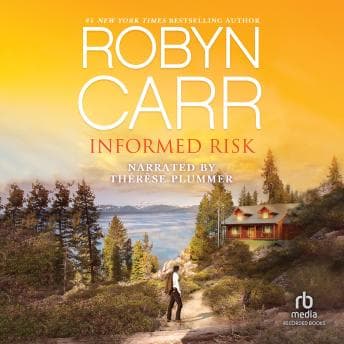
Plummer's narration is warm without being saccharine, which is exactly what this book needs. She gives Mike this steady, grounded voice that sounds like every calm-under-pressure firefighter I've ever worked alongside at 2 AM. Her Chris has an edge to her - not sharp, but firm. You can hear the walls up.
The kids sound like actual kids, not miniature adults delivering precocious one-liners. That's harder to pull off than people think. And when the emotional scenes hit - and they do hit, Carlos asked why I was crying in the car, I blamed allergies - Plummer doesn't oversell it. She trusts the words. Smart choice.
At 8 hours and change, the pacing is comfortable. Not rushed, not padded. Perfect for that post-shift decompression when you need something that asks nothing of you except to feel something gentle for a while.
Who Gets the Most Out of This
If you're a romance reader who appreciates when authors actually research the professions they write about - yes. If you like your love stories with real emotional baggage that gets unpacked honestly rather than dramatically - yes. If you work in emergency services or healthcare and you're tired of seeing your world butchered by fiction - this one's safe.
Skip it if you need fast pacing or high-stakes plot twists. This is a character study wrapped in a love story. The tension is internal, not external. If that sounds boring to you, we just have different taste and that's fine.
My mom would love this. She's a sucker for a good man in uniform and a strong woman who doesn't need saving but accepts love anyway. (She still thinks I should've been a doctor, but she'd approve of this book.)
Night Shift Prescription
Night shift approved. Not because it's flashy or groundbreaking, but because it's honest. Robyn Carr writes people who feel like people I actually know, and Plummer voices them like she knows them too. I finished it sitting in my driveway with the engine off, waiting for the last chapter to end before going inside to start breakfast.
That's the test, for me. Did the book make me sit in my car? This one did.