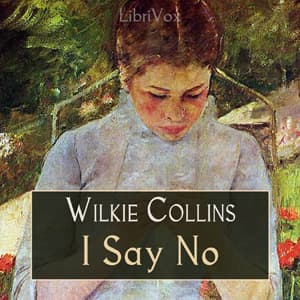

What happens when a Victorian mystery novelist decides to write a slow-burn romance disguised as a whodunit? You get I Say No, and honestly, I have complicated feelings about this one.
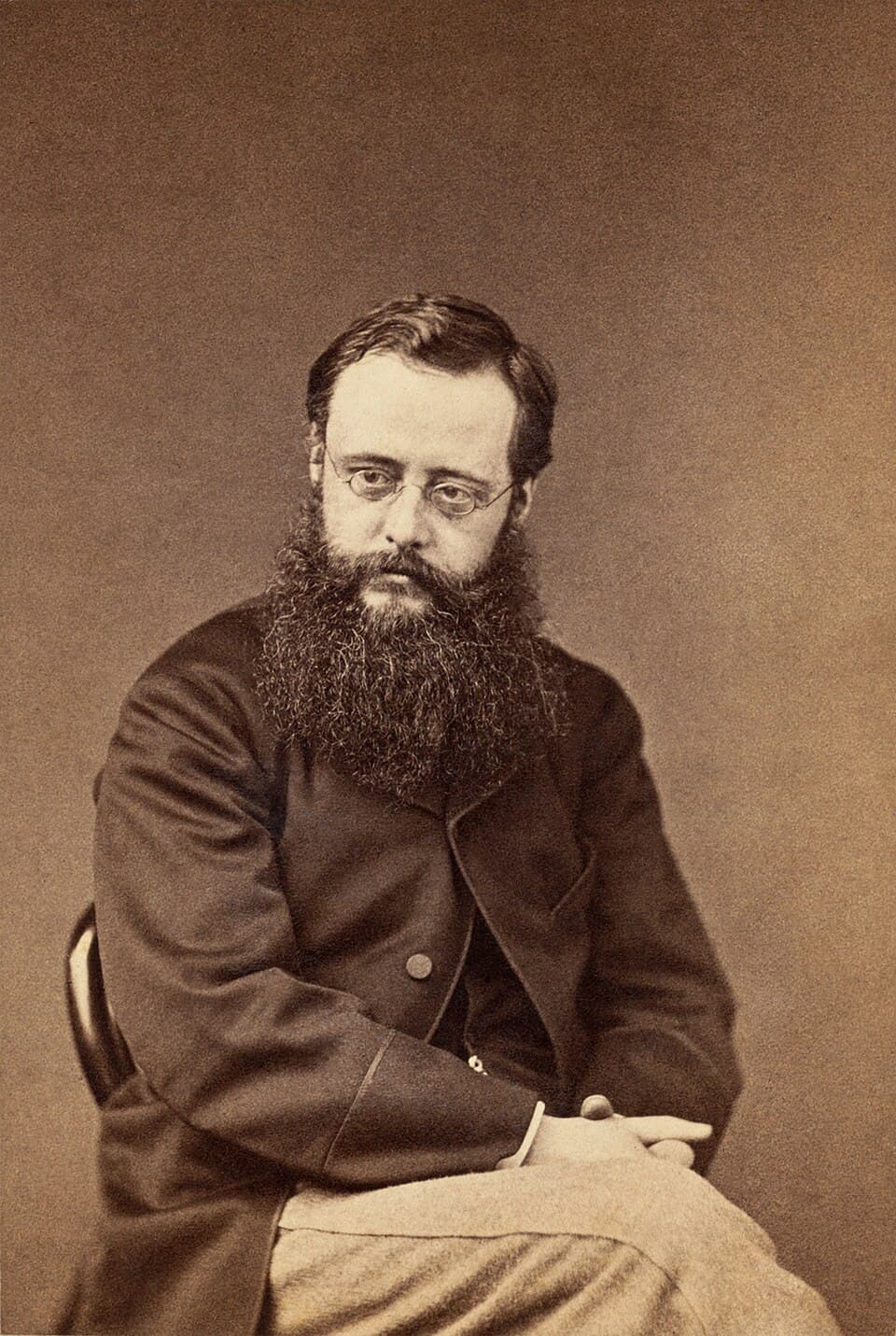
Look, I picked this up because night shift was brutal last week and I needed something to keep me awake during the drive home. Wilkie Collins wrote The Moonstone - basically invented the detective novel - so I figured I was in safe hands. And I was. Sort of. The way you're in safe hands with a doctor who's technically competent but has a bedside manner from 1889.
The Voice in My Head for 14 Hours
Sandra G. saved this audiobook. I'm just going to say it. Her narration is clean, expressive, and she does this thing with voice inflections that actually makes you care about Emily Brown - our orphan protagonist who everyone apparently loves on sight. (Must be nice. I've been at my hospital 15 years and half the residents still call me "the night nurse.")
She differentiates the characters well enough that I never got confused during conversations, which matters when you're driving at 6 AM after a 12-hour shift. The drawing master sounds appropriately intense, the clergyman sounds appropriately... clergy-ish. Sandra G. brings real warmth to Emily, which the character desperately needs because Collins wrote her as almost too good to be true.
I couldn't find much about Sandra G. online beyond this recording, but based on this performance? She knows how to handle Victorian prose without making it sound like a homework assignment. That's a skill.
Where the Romance Gets Uncomfortable
Okay. Here's the thing. Emily has two suitors: her drawing master, Mr. Alban Morris, and a clergyman named Miles Mirabel. One of them is lying to her about her father's death - which wasn't natural, as she'd been told.
The mystery itself? Fine. Not Collins' best work, and I didn't find the resolution particularly satisfying. House of a Thousand Candles gave me a similar "fine but not great" mystery experience, though at least that one had better pacing. But I've worked enough night shifts to know that not every case wraps up neatly. What actually made me yell at my dashboard wasn't the mystery - it was the romance.
Some of the romantic declarations in this book are... yikes. By modern standards, creepy doesn't begin to cover it. The drawing master's intensity reads less "passionate suitor" and more "HR violation waiting to happen." I get that this was 1884 and social norms were different. I do. But listening to it in 2024, in my car, after dealing with actual humans in crisis all night? I found myself muttering "that's not okay" more than once.
Carlos asked why I looked annoyed when I got home. I blamed traffic.
The Slow Burn That Tested My Patience
This is a 14-hour audiobook, and it feels like it. Collins takes his time with character development - which I usually appreciate. I like knowing who people are before bad things happen to them. But I Say No drags in places where his other novels don't.
The pacing is very Victorian. Long scenes of people having conversations about their feelings, their suspicions, their moral dilemmas. If you're coming from The Woman in White expecting that same propulsive energy, adjust your expectations. This is Collins in a contemplative mood.
That said - I didn't guess the ending. So there's that.
Who's This Actually For (And Who Should Bail)
If you love Victorian literature and you've already devoured Collins' major works, this is worth your time. It's a competent mystery with a narrator who clearly cares about the material. If you're new to Wilkie Collins? Start with The Moonstone or The Woman in White. Come back to this one when you're already a fan.
If outdated romantic norms make you want to throw things, maybe skip this entirely. One listener I saw online DNF'd it after a particularly intense declaration of love from the drawing master, and I get it. I stuck it out, but I understand the impulse to bail.
Clocking Out
At 1.25x speed, this becomes more manageable. The prose can handle it, and Sandra G.'s clear diction doesn't suffer. Night shift approved, but with caveats.
My mom would probably like this one, actually. She's into the Victorian stuff, and she'd appreciate that Emily is educated and determined to find the truth about her father. She'd also probably lecture me about how romance was "different back then." Thanks, Mom.