"Poor Miss Finch." That's what everyone calls her. And honestly? Around hour three, I wanted to reach through my headphones and shake every single character who said it.
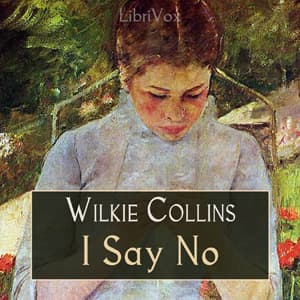
I was deep into a logo redesign that was absolutely not working—Frida had knocked my coffee over twice, Diego was judging me from the bookshelf—and Sandra G. delivered that line with such perfectly calibrated Victorian pity that I had to pause. Because here's the thing: Lucilla Finch is anything but poor. She's stubborn, she's fierce, and she navigates a world of sighted fools with more clarity than any of them.
Abuela would have LOVED her. She would have been yelling at the men in this book like she yelled at telenovela villains.
When Madame Pratolungo Walked In, Everything Changed
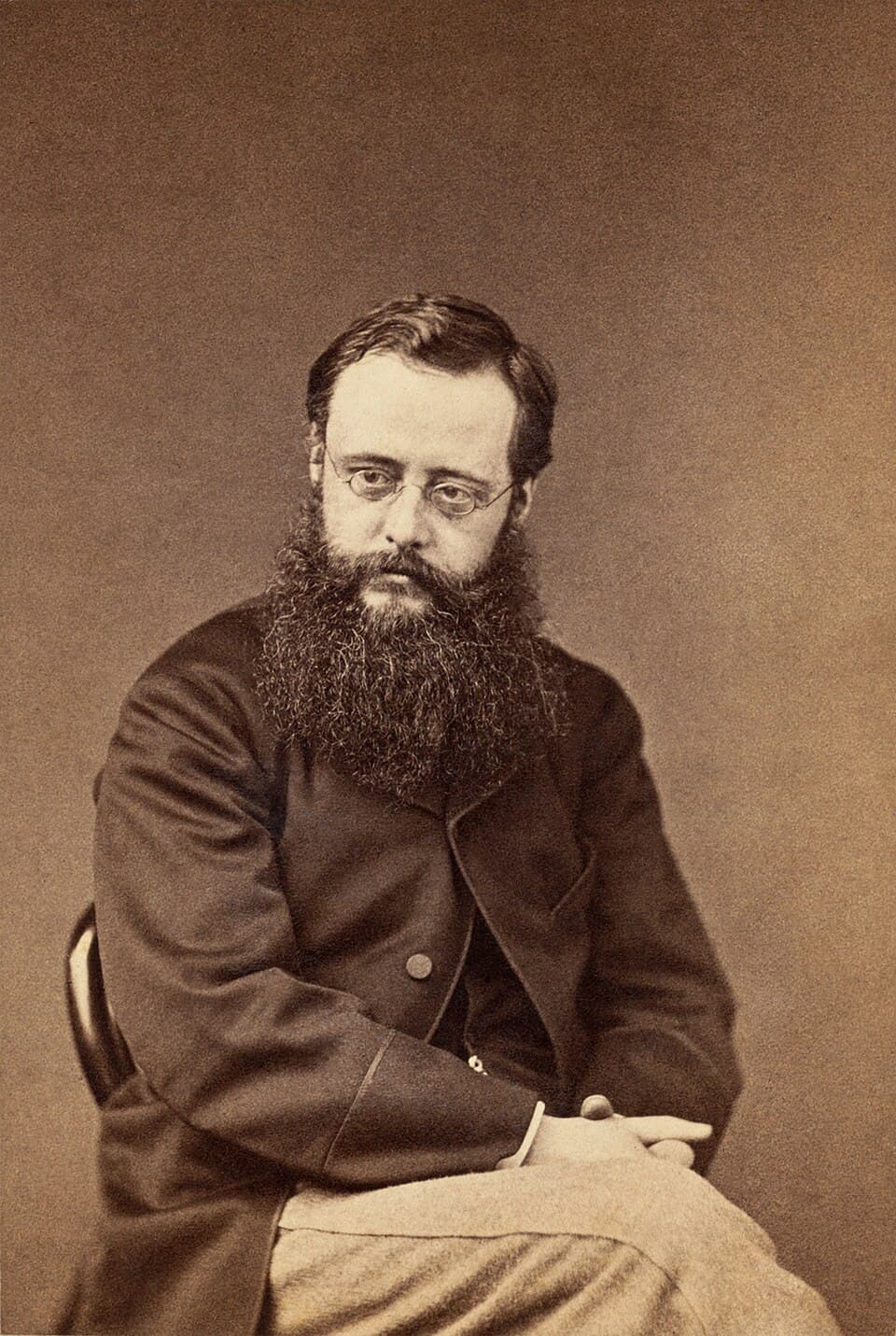
Wilkie Collins does something sneaky here—he gives us the story through Madame Pratolungo's eyes, not Lucilla's. And when these two women first meet, Sandra G. shifts her entire vocal register. Lucilla gets this quiet, almost musical quality, while Pratolungo is all sharp wit and barely concealed opinions. It's subtle. Not showy voice-acting, just... tone. The way your best friend sounds different when she's being polite to your terrible ex versus when she's roasting him later.
The set-piece where Reverend Finch reads Hamlet? I laughed out loud. Alone in my apartment. At 2 AM. The man is INSUFFERABLE and Sandra leans into every pompous syllable.
A Victorian Telenovela (And I Mean That Lovingly)
Look, I need to be honest with you. Some listeners call this "an absurd soap opera" and they're not wrong. There are mysterious strangers. There's theft. Assault. Mistaken identities that would make my abuela clutch her rosary AND her remote control. The main plot twist takes FOREVER to arrive—we're talking hours of setup before things get properly dramatic.
But here's where I disagree with the critics: that slow burn worked for me. Collins isn't just building plot. He's building Lucilla's world through her other senses—the textures she touches, the sounds she catalogues, the way she reads people through their voices alone. I found myself closing my eyes during her scenes, trying to hear what she hears.
Did I ugly-cry? Not quite. But my eyes got suspiciously wet around hour fifteen when—okay, I won't spoil it. Let's just say the heart wants what it wants, even when what it wants is objectively the worse choice.
Sandra G. Carried This Book on Her Back
Twenty hours is a COMMITMENT. That's almost three full workdays of audio. And Sandra G. never once made me want to quit. Her emotional delivery during Lucilla's most vulnerable moments added layers that I don't think exist on the page. When Lucilla is petulant and irrational (because she IS, sometimes—she's human), Sandra doesn't soften it. She lets Lucilla be difficult. Be messy. Be real. That same commitment to letting messy heroines be fully human shows up in Dirty: A Dive Bar Novel—completely different era, but the same refusal to sand down the rough edges.
No weird pronunciation issues. No pacing problems. Just clear, warm, Victorian melodrama delivered exactly as it should be.
Who Should Press Play (And Who Should Run)
If you need fast pacing, this isn't your book. If you hate Victorian prose, skip it. If you can't handle heroines who make frustrating romantic choices, you will throw your phone.
BUT. If you love character-driven stories. If you want to sink into 1870s England and stay there. If you appreciate a narrator who understands that emotional subtlety is everything—this is a rainy Sunday book. A curl-up-under-blankets book. A let-the-cats-judge-you book.
Terca—The Highest Compliment
This isn't Collins's best work. It's not The Woman in White. But it's got heart, and it's got a heroine who refuses to be pitied, and it's got Sandra G. making every single hour worth your time.
My heart. MY HEART.
Abuela would have loved this one. She would have called Lucilla "terca"—stubborn—and meant it as the highest compliment.