
What does a 19th-century humorist know about storytelling that we don't already teach in every creative writing workshop?
Turns out, quite a bit. And also... not as much as the title promises.
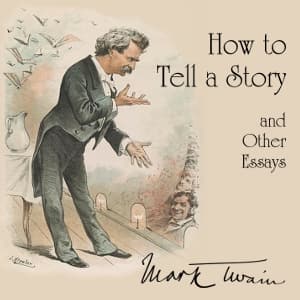
I put this on during a late-night grading session - forty-seven sophomore essays on The Great Gatsby, all of them somehow convinced that the green light represents money. (It does, but also... never mind.) Point is, I needed something short, something literary, something that wouldn't demand too much while I circled the same three comma splices over and over. At 59 minutes, Mark Twain's How to Tell a Story, and Other Essays seemed perfect.
And it was. Mostly.
The Craft Lesson That Keeps Wandering Off
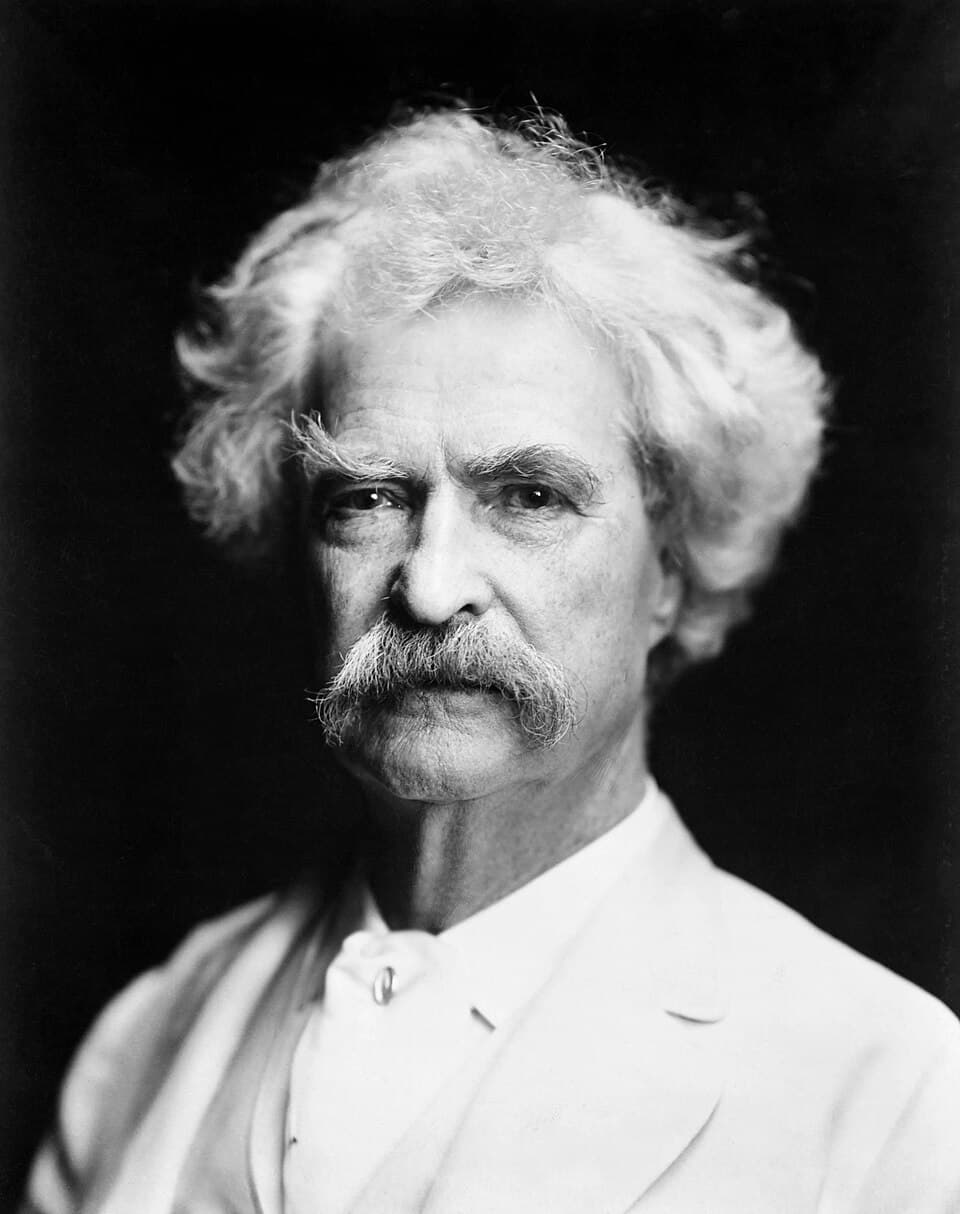
Here's the thing about this collection - the title essay is genuinely brilliant. Twain breaks down the difference between the American humorous story and its English and French counterparts, and he does it with that trademark Twain clarity that makes you feel like you're sitting across from him at a bar. He talks about timing, about the pause, about how the teller's manner is everything. This is the stuff I try to teach my students. The stuff they ignore completely when they rush through their oral presentations like they're being timed for a fire drill. That same precision in pacing shows up in Oliver Twist, where the narrator has to balance Dickens's satirical jabs with genuine pathos.
Claudia Salto gets this. Her pacing on that opening essay is spot-on - she understands that Twain's humor lives in the spaces between words. When he writes about the pause being "the supremely great thing in oratory," she actually demonstrates it. That's not easy to do. Most narrators would barrel through.
But then the collection... wanders. The remaining essays and sketches are fine - entertaining, even - but they're not really about storytelling technique. They're just Twain being Twain. Anecdotes about mental telegraphy. A piece about a trip that supposedly changed his life. It's like ordering a textbook and getting a textbook plus three random chapters from the author's diary.
Salto's Timing (And What I Wished For)
I couldn't find much background on Claudia Salto online, but based on this performance, she's got solid instincts. Her voice is warm without being saccharine, clear without being clinical. She doesn't try to "do" Twain's voice - you know, that gravelly, world-weary thing everyone imagines when they think of him. Instead, she just reads the words honestly and lets them work.
The timing really is her strength. When Twain sets up a joke - and he sets them up like a pool shark lining up an easy shot - she doesn't rush the punchline. She trusts the material. My students could learn something from that. (They won't, but they could.)
What I wished for, honestly, was more vocal distinction between the essays. The transitions are abrupt - Twain didn't write these as a unified collection, and it shows. One minute you're getting genuine craft advice, the next you're in the middle of some story about coincidences that feels like it belongs in a different book entirely. A slightly different energy between pieces might have helped. But that's a minor complaint.
Who This Is Actually For
If you're a Twain completist, this is essential. If you're interested in the mechanics of humor - and I mean genuinely interested, not just looking for tips to make your TikToks funnier - the title essay alone is worth the hour. If you teach writing or storytelling in any capacity, there's gold here. I've already stolen two of his observations for my rhetoric unit next semester.
But if you're expecting a sustained how-to guide? Skip it. This is more like a sampler platter where one dish is exactly what you ordered and the rest are chef's specials you didn't ask for. They're good. They're just not what the menu promised.
I listened at 1.0x because - and I will die on this hill - Twain's sentences are constructed with such precision that speeding them up is like fast-forwarding through a jazz solo. You lose the syncopation. My students think I'm ancient for this take. They're not wrong about the ancient part.
Class Dismissed
Look, at under an hour, this is a low-commitment listen. The production is clean, Salto is reliable, and when Twain is on topic, he's as sharp as he's ever been. The disjointed structure keeps it from being something I'd recommend without caveats, but the caveats aren't deal-breakers.
I finished grading those Gatsby essays around midnight. Twain was done by then too. Neither of us solved the mystery of why teenagers think symbolism is a scavenger hunt, but at least I had better company than usual.
Worth pausing the faculty meeting for. (Not that I was listening to Principal Martinez anyway.)