
The "Please Sir" Moment (And Why It Still Hits)
It's 11:30 PM on a Tuesday. I'm sitting at my kitchen table, staring at a stack of sophomore essays on Lord of the Flies that are—to put it mildly—testing my will to live. My eyes are shot. The last thing I should be doing is diving into Victorian poverty porn.
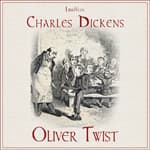
But here I am, listening to Oliver Twist.
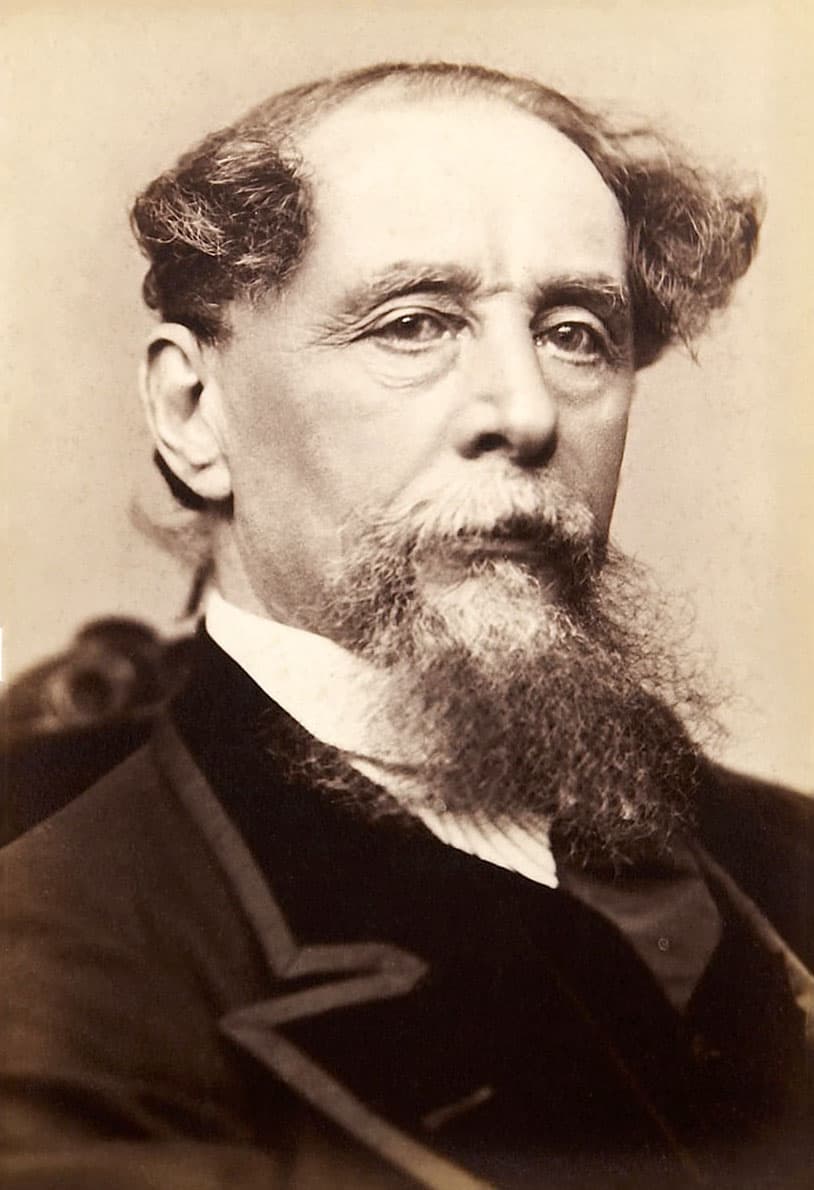
My wife, Denise, thinks I'm a masochist. Maybe I am. But there is something about Charles Dickens that demands to be heard, not read. I had the same revelation with A Tale of Two Cities—his prose just works better out loud. When you read Dickens on the page, especially after a long day of teaching, the sentences look like tangled wire. They go on forever. (My students call this "yapping.") But when you listen? Especially with a narrator who understands the rhythm? It turns into music.
So, I poured a glass of the cheap red wine we keep for "grading emergencies" and let Tadhg Hynes take me back to 1830s London. And honestly? It was exactly what I needed.
A One-Man Cast (Mostly)
Let's talk about Tadhg Hynes. I hadn't listened to him before this. The research notes mentioned some people found the narration distracting—something about multiple voices or the shifts being hard to follow.
I didn't really get that vibe.
Here's the thing: Dickens writes caricatures. He doesn't write subtle, mumble-core realism. He writes giants. Fagin, the Artful Dodger, Mr. Bumble—they need to sound huge. Hynes seems to get that. He creates these distinct vocal pockets for the characters that are sharp, sometimes bordering on cartoonish, but that's Dickens, isn't it?
(Side note: If you're a purist who wants a monotone, scholarly reading, you're going to hate this. Hynes acts. He performs. I respect that.)
There were moments where the pacing felt a little breathless, sure. Dickens loves a run-on sentence, and sometimes I felt like Hynes was sprinting to get to the period. But generally? He nailed the emotional delivery. When Oliver asks for more gruel, it's not just a meme; in Hynes' voice, you hear the trembling terror of a starving kid. It actually made me put down my red pen and just... listen.
The "Ancient" Teacher Perspective
My students think Oliver Twist is just that musical with the catchy songs. They forget how dark this book actually is. It's brutal.
We're talking about institutional abuse, the criminal underworld, and the absolute failure of society to protect children. (Sounds familiar, unfortunately.) Listening to it, rather than skimming the text, forces you to sit with that discomfort. You can't skip the paragraphs describing the squalor.
Hynes captures that grit. The "London" he builds with his voice isn't the shiny movie version; it sounds dirty. It sounds dangerous. Black Beauty pulled off something similar with Victorian England, though obviously less focused on the criminal underworld and more on, well, horses.
I listen at 1.0x speed—yes, I know, I'm a dinosaur—because I want to hear the pauses. Dickens uses punctuation like stage directions. A good narrator, and I count Hynes as one here, treats a semi-colon like a breath. It gives the satire room to land. There are jokes in this book! Dark, cynical jokes that you miss if you're speed-reading or listening at 2.0x like a chipmunk on espresso.
Cliff Notes
Look, 17 hours is a commitment. It's longer than the entire season of whatever show my students are watching on TikTok. But if you want to understand why Dickens matters—without ruining your eyesight on tiny font—this is the way to do it.
Is it perfect? No. Sometimes the character voices bleed into each other a bit. Sometimes the melodrama is a lot to handle while you're just trying to fold laundry or grade papers. But it's alive. And in a world of boring, flat content, I'll take "alive" any day.
Who should listen: Anyone curious about Dickens but intimidated by the page count, teachers looking for a fresh way into the text, or folks who want Victorian social commentary with genuine bite. Who should skip: If you need a reserved, scholarly narration or can't handle 17 hours of melodrama, this one's not for you.
Now, if you'll excuse me, I have twelve more essays to grade. (Send help.)