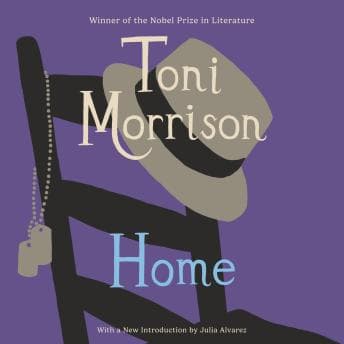

What happens when the person who wrote the words is also the one breathing them into your ears?
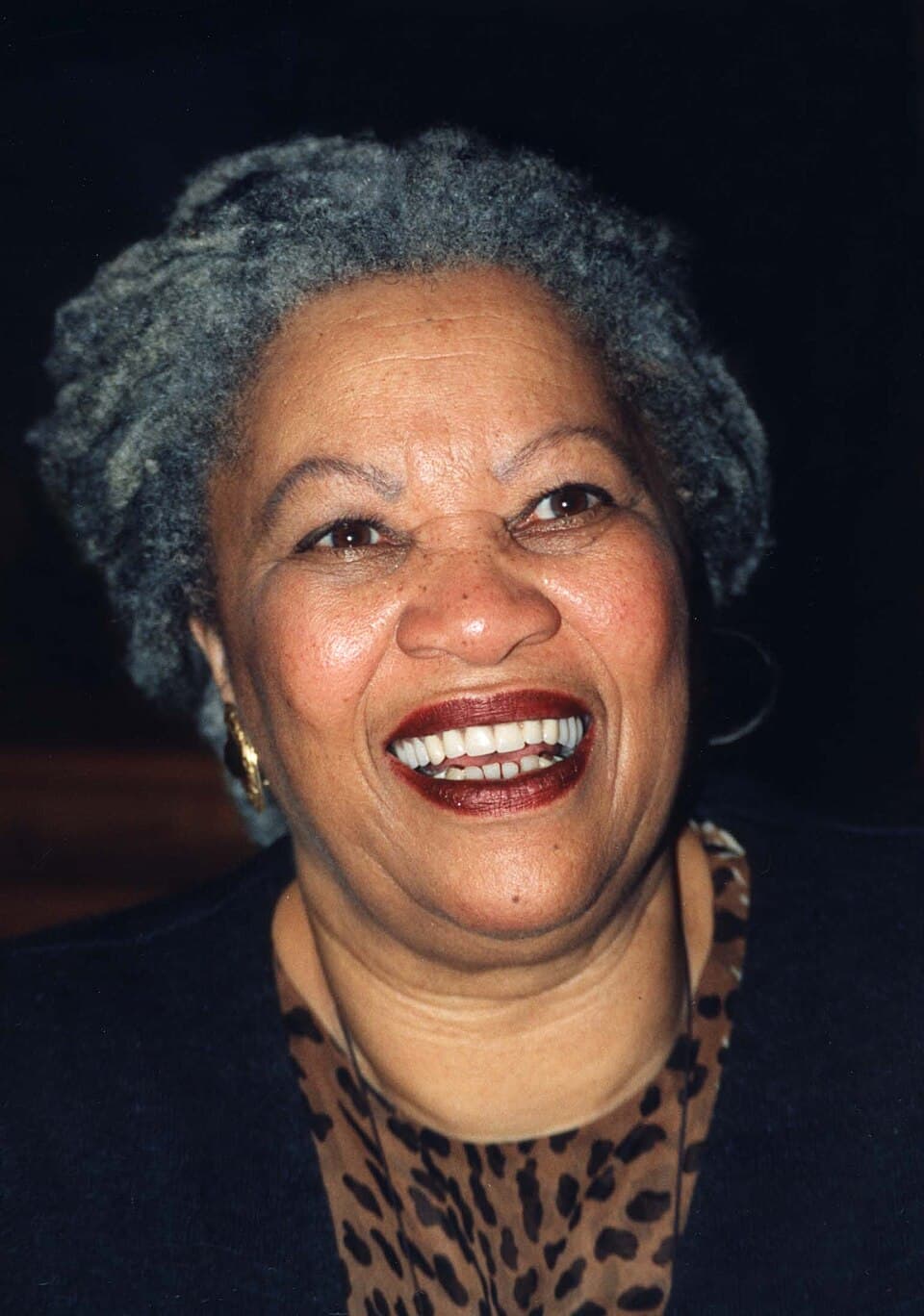
I was walking the lakefront at dusk with Denise—she'd gone quiet, which is her way of saying she knows I'm not really with her—and Morrison's voice hit me with something I wasn't ready for. Frank Money, Korean War veteran, broken and medicated and trying to find his sister Cee somewhere in 1950s Georgia, and Morrison is reading his fractured thoughts in this cadence that refuses to hurry. I stopped walking. Denise looked at me. I said, "She's reading it like a prayer." Denise, who has endured twenty years of my literary observations, just squeezed my hand and kept going.
The Author Who Won't Let You Look Away
Here's the thing about Home that caught me off guard: it's barely four and a half hours. For Morrison, that's practically a short story. And she uses every single minute like she's rationing ammunition. The prose is stripped down—spare, almost skeletal compared to the baroque density of Beloved or Song of Solomon. Frank's chapters hit you in these clipped, direct sentences. That restraint shows up earlier in her career too—The Bluest Eye is Morrison at her most controlled, and her narration of it is quietly devastating. Cee's sections drift into something more unfinished, more fractured—incomplete thoughts that trail off the way a person's confidence trails off when it's been beaten out of them since childhood. And then there's Lily, Frank's ex, whose sections read businesslike and precise. Morrison shifts between these registers without announcing it, and because she's the one reading, you hear the difference in her mouth before your brain catches up.
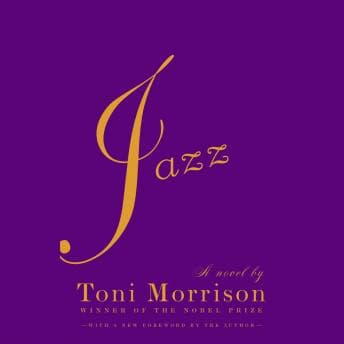
Now. The pacing. Let's be honest about it. Morrison reads slowly. I mean slowly. I listen at 1.0x because the author chose those words and I choose to hear them properly—that's my whole thing—and even I felt the drag in spots. There were moments during a late-night grading session where the silence between her sentences stretched so long I thought my earbuds had disconnected. Some listeners speed her up to 1.25x. I understand the impulse. I resisted it. And I'm glad I did, because Morrison's pauses aren't mistakes. They're punctuation. The narrator understands that pause is punctuation—except here, the narrator IS the author, so those pauses are intentional architecture. She reads her own Jazz the same way, and if anything that book depends even more on her musical sense of rhythm. When Frank remembers the Korean War, when he's circling around a memory he can't face, Morrison slows down even more, and that deceleration IS the trauma. Speed it up and you lose that.
But I won't pretend it's easy listening. It's not.
A Modern Odysseus With No Penelope Waiting
The Odyssey comparison in the marketing is apt but incomplete. Frank Money isn't trying to get home to a wife and kingdom. He's trying to get home to a sister he abandoned—and to a place, Lotus, Georgia, that he spent his whole youth trying to escape. The tension of the book lives in that paradox: the place that stunted you is also the only place that can heal you. Morrison doesn't resolve this neatly. She lets it sit there, uncomfortable.
And the content warnings are real. There's a scene involving medical experimentation on Black women that I won't detail here, but Morrison reads it with this controlled fury that's more devastating than any dramatic performance would've been. She doesn't raise her voice. She doesn't need to. The flatness of her delivery during those passages made my stomach drop. This reminds me of what Hemingway said about writing—the dignity of movement of an iceberg is due to only one-eighth being above water. Morrison's restraint here is that iceberg.
My students would hate this. I love it. They'd want more action, more plot, more forward momentum. But Home isn't about plot. It's about what it costs Frank to become someone who can protect the people he loves. It's about Cee learning to stop being fragile. It's about a community of women in Lotus who heal Cee not with medicine but with hard love and harder work. That section—the women refusing to coddle Cee, making her useful instead of pitied—is the emotional center of the whole book, and Morrison reads it with this warmth underneath the sternness that I don't think any hired narrator could've found.
Who Needs to Hear This (And Who Doesn't)
If you loved Beloved but found it overwhelming, Home is its leaner, quieter sibling. If you're coming to Morrison for the first time, this is actually not a bad entry point—shorter, more linear, less demanding of your Morrison vocabulary. If you need fast pacing to stay engaged, you'll struggle. Be honest with yourself about that.
If you're a fellow English teacher who assigns Morrison but hasn't sat with her voice—fix that. Hearing her read her own work changed how I'll teach her sentences. The prose deserves to be savored, and nobody savors it like the woman who wrote it.
Worth Pausing the Faculty Meeting For
This is a small, fierce book read by the only person who should've read it. Morrison's narration is imperfect in the way a handwritten letter is imperfect—the slowness, the pauses, the lack of theatrical polish—and that imperfection is exactly what makes it irreplaceable. Four and a half hours. You can spare them. Frank Money spared a lot more getting home.