
The Psychology of a Slow Burn (And Why Perfection is Overrated)
It's raining in Cambridge today. The kind of gray, miserable drizzle that makes the Charles River look like sludge and makes me want to cancel all my office hours. (Don't tell my students, I actually did cancel them. I needed a mental health day.)
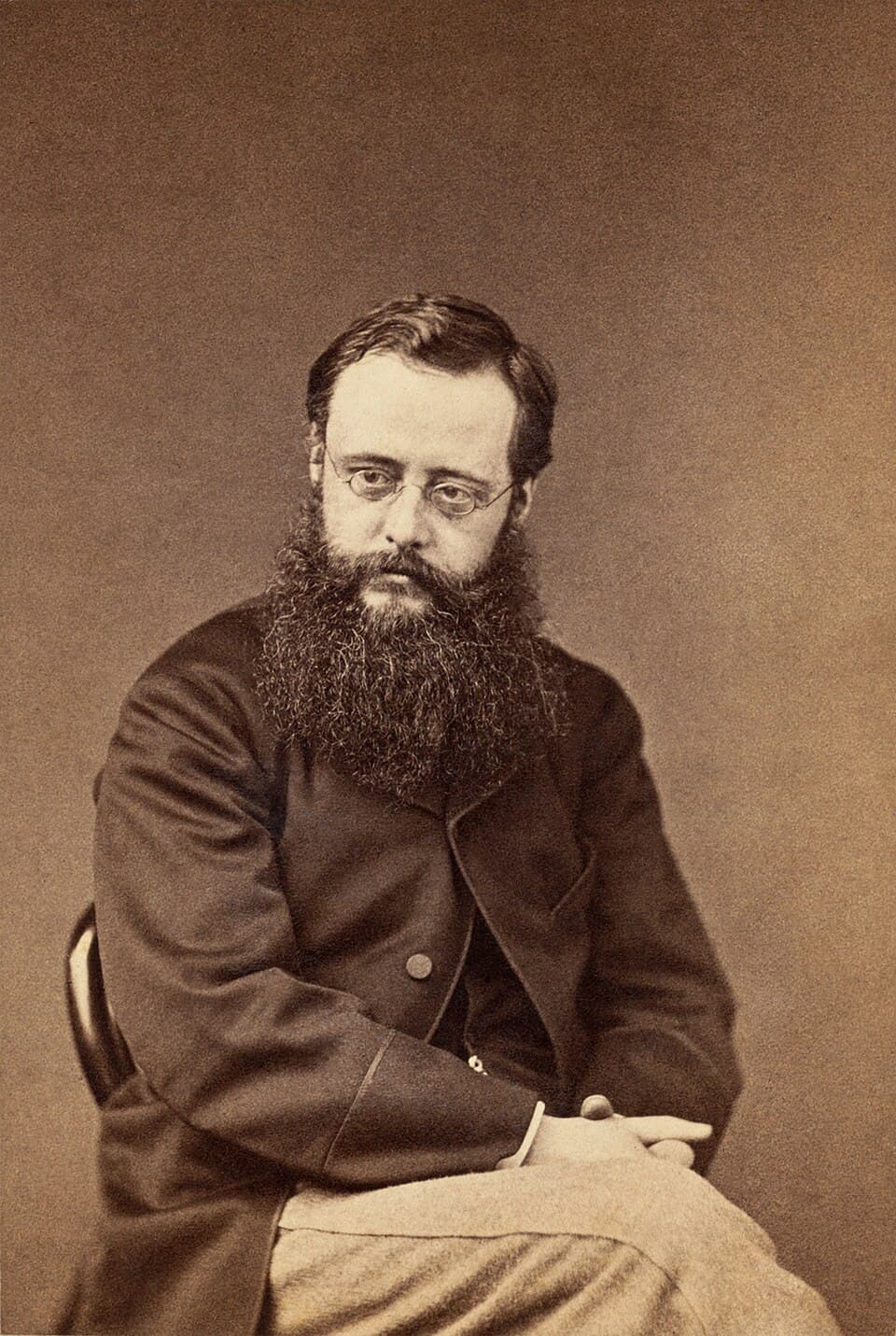
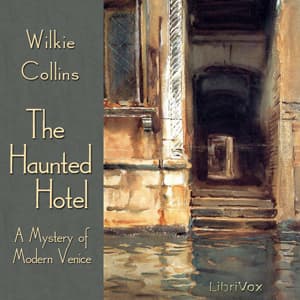
Naturally, instead of doing something cheerful, I decided to spend seven hours in a Haunted Hotel with Wilkie Collins. My therapist, Dr. Katz, would probably say I'm seeking out external anxiety to mask my internal avoidance of writing my grant proposal. She's usually right. But honestly? Sometimes you just need a Victorian melodrama where everyone is repressed and the architecture is malevolent.
I cooked a massive pot of chana masala while listening to this, and let me tell you—the spice levels in my kitchen were significantly higher than the scare levels in this book. But that's not necessarily a bad thing.
The "Haunted" Woman: A Case Study in Victorian Guilt
Here's the thing about Wilkie Collins. He understands that the scariest ghosts aren't sheets with eyeholes—they're guilt.
We start with a jilted woman. Classic. In my line of work, we call this the precipitating event for a major identity crisis. The Countess Narona is a fascinating specimen. She's labeled "good-hearted" but finds herself in a situation that spirals into suspicion and death. Psychologically, this tracks. When people are backed into a corner by social expectations (especially in the 19th century, yikes), the "shadow self" comes out to play.
Collins pioneered the "sensation novel," which is basically just True Crime for Victorians. He builds this slow, creeping dread. It's not a jump-scare book. If you're looking for a slasher, go elsewhere. This is about the psychological disintegration of people who have done terrible things. I got that same slow-burn tension from A Time for Mercy, where the real horror is watching someone's moral framework collapse under pressure.
I found myself shouting at the speaker while chopping onions: "Why are you trusting him? He exhibits textbook manipulative traits!" But of course, characters in 1878 didn't have the DSM-5. Tragic, really.
The Voice in the Walls
Let's talk about the narrator, Kehinde.
I did a little digging (occupational hazard), and this seems to be a LibriVox recording. Usually, I steer clear of volunteer narration because I'm an audio snob, but this... this was interesting.
Kehinde has this distinct, slightly American accent, but there's a cadence to it that suggests English might not be his first language—or maybe he just has a very specific regional dialect I can't place. A lot of reviews complain about the mispronunciations. And yes, there are a few. My mother would have corrected him immediately.
But here's my hot take: It actually works.
There's something slightly "off" about the delivery—deliberate, a bit detached, almost dreamlike. It fits the uncanny valley vibe of a haunted hotel in Venice. A polished, Royal Shakespeare Company actor might have made it sound too theatrical. Kehinde sounds like a stranger telling you a rumor in a dark bar. It adds a layer of strangeness that I ended up really digging.
Is it perfect? No. Did it pull me out of the story a few times? Sure. But as I always tell my undergrads, human imperfection is where the data is. The "haunting quality" people mention in the reviews? It's real. It's a vibe.
Venice as a State of Mind (Patience Required)
The pacing, however, is a test of patience. (Something I lack, according to... well, everyone.)
The story moves like molasses. It's atmospheric, heavy, and wet—much like Venice itself in the book. Collins spends a lot of time setting the stage. If you're used to modern thrillers that open with a body dropping on page one, you're going to struggle.
I actually zoned out around hour four, realized I'd missed a crucial plot point about the "apparitions," and had to rewind while my dal was simmering. The paranormal elements are subtle. It's more "is this happening or are we all just hysterical?" which, frankly, is my favorite genre of horror.
Final Diagnosis
This isn't Wilkie Collins's best work (The Woman in White holds that crown, fight me), and the narration is unconventional. But it has a sticky, unsettling quality that lingered with me after I finished the dishes.
It's a story about how places absorb trauma. As someone who analyzes how stories shape identity, I appreciate the slow unraveling of the mystery. It's messy, it's dark, and it's delightfully melodramatic.
Who should listen: Psychology nerds, Victorian lit fans, and anyone who prefers their horror ambiguous and guilt-soaked. Who should skip: If you need fast pacing or polished studio narration, this will frustrate you.
Just maybe listen at 1.25x speed. Life is short, and Victorian sentences are very, very long.