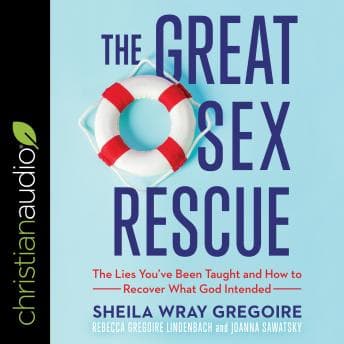

This book is not for me. Let me get that out of the way upfront, because I think context matters here, and I want to be honest about where I'm coming from before I tell you why I think it's still worth talking about.
I'm not the target audience - I'm not married, not evangelical, and my relationship with organized religion is best described as "lapsed Presbyterian who now worships at the altar of distributed systems." But Kevin's mom recommended this to me after Thanksgiving dinner (yes, really), and I'd just finished my current sci-fi queue during a particularly brutal on-call week, so I figured: why not. Seven hours. That's basically four commutes. Low commitment.
I listened to most of this on a Saturday while deep-cleaning the apartment - the kind of cleaning you do when you've been neglecting everything because production keeps catching fire. And honestly? This book held my attention better than I expected.
The Data Is the Real Story
Here's what actually surprised me: this isn't just another opinion-based relationship book dressed up in Bible verses. There's a survey of 22,000 women backing up the claims, and one of the co-authors - Joanna Sawatsky - is an epidemiologist. An epidemiologist. Writing about sex in Christian marriages. My inner data nerd perked up immediately. They actually control for variables. They compare outcomes between women who were taught specific messages about sex and those who weren't. They show correlations between particular evangelical teachings (the "obligation sex" framework, the "every man's battle" lust narrative) and measurably worse sexual satisfaction and higher rates of pain during intercourse.
Is it a peer-reviewed study? No. But it's way more rigorous than I expected from a book in the Religion & Spirituality category. The science actually holds up - or at least, the methodology is transparent enough that you can evaluate it yourself. That alone puts it leagues ahead of most self-help books I've consumed. The bar for rigor in this category is genuinely low — I gave Lessons From Lucy a pass partly because Dave Barry at least owns how anecdotal the whole thing is, which is more intellectual honesty than most self-help bothers with.
Sheila Narrating Her Own Crusade
Sheila Wray Gregoire narrates, and she's clearly passionate about this material. Like, really passionate. There are moments where her voice gets this edge to it - not angry exactly, but the kind of controlled frustration you hear from someone who's been saying the same thing for years and is tired of being dismissed. It works for the content. She sounds like a woman who has receipts and is ready to show them.
The downside of author-narration here is the same as it always is: she's not a professional narrator. There's no Ray Porter magic happening. No distinct character voices when she's sharing anecdotes from survey respondents. It's more like listening to a really good podcast host deliver a structured argument than a polished audiobook performance. If you're used to professional narration, you'll notice the difference. But her conviction carries it.
I bumped this up to 1.75x pretty quickly - not because it's fluff (it's not), but because her natural speaking pace is deliberate and measured, and the content density supports a faster speed without losing anything.
The Part That Made Me Text Kevin's Mom Back
There's a section where they break down how specific bestselling Christian marriage books - and they name names, which I respect - taught women that their husbands' porn use was the wife's fault for not being sexually available enough. And then they show the survey data on what happens to women who internalize that message. The numbers are genuinely alarming. Higher rates of sexual pain, lower arousal, more vaginismus diagnoses. They're basically making the case that bad theology is creating measurable physical harm.
That's... not nothing. Even as someone outside the evangelical world, I found myself thinking about how many women I know who grew up in these communities. It reframed the book from "niche religious self-help" to something closer to a public health argument.
Who Should Actually Listen to This
Perfect for: Anyone who grew up in purity culture and is trying to untangle those messages. Also genuinely useful if your partner did, even if you didn't - it gives you vocabulary for conversations that are otherwise really hard to have. Skip for: If you have zero connection to Christian communities, a lot of the specific book-by-book takedowns won't land because you won't know the source material. Also skip if you want a how-to sex guide - this is about dismantling harmful frameworks, not bedroom techniques.
The ROI on this audiobook is high if you're in the target demographic and potentially life-changing for some listeners. For me, an outsider, it was a genuinely educational seven hours that made me more empathetic to an experience I don't share. Could parts of it have been a blog post? Some of the later chapters repeat earlier points. But the data sections earn their runtime.
Commute-Worthiness: Conditional Pass
TL;DR: Worth your commute if the topic is relevant to your life. Not commute-worthy as casual listening - you need to actually care about the subject matter, or the theological deep-dives will lose you somewhere around Sunnyvale. But if this book is for you, you probably already know it, and you should grab it.