
What happens when justice keeps slipping through the cracks - not because the system is blind, but because one lawyer is just that good at gaming it?
I was up past midnight with this one, sitting on the back porch with Ranger sprawled across my feet. Linda had gone to bed hours ago, and the Texas heat had finally broken enough to make it bearable outside. The kind of quiet where a book about murder in rural Alabama feels right at home.
A Preacher, a Pistol, and the Lawyer Who Played Both Sides
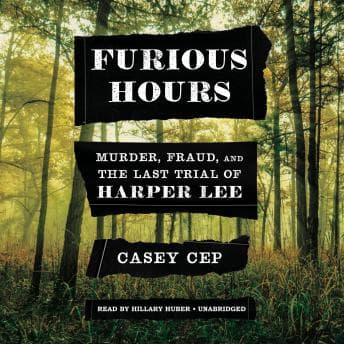
Let me cut to the chase - Casey Cep found one hell of a story. Reverend Willie Maxwell allegedly murdered five of his own family members for insurance payouts in 1970s Alabama, and the man walked free every single time. His secret weapon? A sharp defense attorney named Tom Radney who understood exactly how to work a courtroom in the rural South. Then when a relative finally shot Maxwell dead - at a funeral, with hundreds of witnesses - that same lawyer switched jerseys and got the shooter acquitted. I've seen some brazen legal maneuvering in military tribunals, but that kind of moral flexibility is something else entirely. The closest I've come to that same sick feeling of watching someone work a system from the inside is Tom Clancy Chain of Command - different arena entirely, but that same creeping dread when competent people use their skills for the wrong side.
The first half of this book is pure true crime gold. Cep lays out the insurance fraud scheme with the kind of methodical detail that would make a good intelligence briefing. She doesn't sensationalize it. She lets the facts do the heavy lifting - the suspicious deaths, the voodoo rumors that swirled around Maxwell in the community, the way fear kept people silent. The courtroom scenes are tight, specific, and don't resort to dramatization. The author clearly did their homework on Alabama's legal system and the racial dynamics that shaped every aspect of these cases.
Where Harper Lee Walks In - and the Book Changes Shape
Here's the thing nobody warns you about: this is really two books stitched together. The second half pivots hard into Harper Lee's biography - her attempt to write her own In Cold Blood about the Maxwell case, and why she never finished it. It's fascinating material, especially the parallels between Lee and Capote, the way fame from To Kill a Mockingbird essentially paralyzed her. But the tonal shift is jarring. You go from murder and courtroom strategy to literary analysis and publishing industry politics.
This is where it lost me, at least temporarily. Not because I don't care about Harper Lee - I do, and the portrait Cep paints of her later years is genuinely moving. But the pacing drops off a cliff. The Maxwell sections have momentum, urgency. The Lee sections read more like a careful academic essay. Two different books, two different energy levels, sharing one spine.
Huber's Narration: Steady Hands, But Where's the Pulse?
Hillary Huber is a professional. Her delivery is clean, authoritative, the kind of voice you'd trust reading intelligence reports. And for the factual, historical sections, that works fine. But here's the problem - when the material demands something more, she stays locked in the same register. The courtroom scenes should crackle with tension. Maxwell's community lived in genuine terror of this man. Huber reads it all at the same steady altitude.
I caught myself zoning out twice during the deeper historical passages in the Lee biography section. At 1.25x speed, I usually don't have that problem. The narration isn't bad - it's competent, professional work. But competent doesn't always mean engaging, especially across eleven hours. There's a flatness to character dialogue that makes it hard to distinguish who's speaking without the attribution tags. For a story involving a charismatic preacher, a slick lawyer, and one of America's most famous novelists, I wanted more vocal texture.
Who Should Deploy With This Book
If you're the type who reads true crime AND literary biography and doesn't mind switching gears midstream, you'll get a lot out of this. If you're here strictly for the murder mystery and courtroom drama, you might find yourself restless in the back half. History buffs interested in Alabama's civil rights era will find real substance here - Cep weaves in the racial politics without being heavy-handed about it, which I appreciated.
Skip this one if you need a narrator who brings vocal range to the performance. Huber's steady approach serves the material about 60% of the time. The other 40%, you'll wish someone had brought more heat.
The After-Action Report
Worth your time? Here's the debrief: Casey Cep uncovered a story that deserved telling, and the Maxwell half is genuinely riveting. The Harper Lee material is important literary history but slows the mission considerably. I'd call this a 3.5 - strong source material, solid research, but the audiobook format doesn't quite do it justice. The narration needed more dynamic range for a story this wild. Ranger fell asleep during the literary criticism chapters, and honestly, I can't blame him.