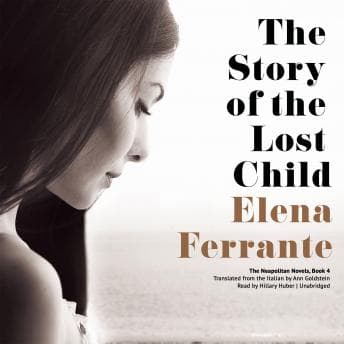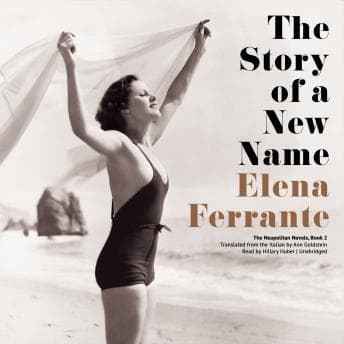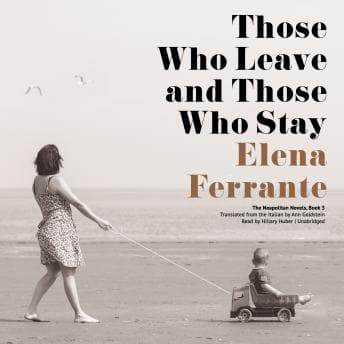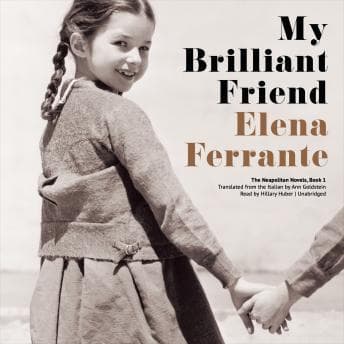

Look, I tell my students this all the time: Friendship isn't always about braiding each other's hair and sharing secrets. Sometimes it's a war zone. And honestly? Nobody captures that war zone better than Elena Ferrante.
I started listening to My Brilliant Friend while grading a stack of sophomore essays on The Great Gatsby. (Yes, they still think Nick Carraway is just a "nice guy." We're working on it.) I needed something that felt real. Gritty. And wow, did this deliver. It's dense, it's Italian, and it's completely unapologetic.
Here's the thing—I usually stick to the dead white guys in the curriculum because that's what the district pays me for. That same kind of timeless, carved-in-stone quality is what I love about Mythos: The Greek Myths Retold—ancient stories that still feel urgent. But Ferrante? She writes like she's carving the words out of stone. And listening to it? It's a whole different beast than reading the paperback.
The Voice in My Head
Let's talk about Hillary Huber. I hadn't listened to her before. (I know, I know, I'm behind on the modern narrators. I'm still mourning the golden age of cassette tapes.)
Her voice is... distinct. It's mature. At first, I was thrown off because the book starts with the characters as children. But then I remembered: this is a memoir. It's an older woman looking back. Once that clicked, Huber's performance made perfect sense.
She has this airy, slightly detached tone that works beautifully for Elena, the narrator. She's the observer. The one watching the fire, not starting it. Huber understands that the prose here is thick—like, molasses thick—and she gives it room to breathe. She pauses where a lesser narrator would rush. (My students would hate the pauses. They listen to everything at 2.0x speed. Heathens.)
But be warned: If you're looking for huge, theatrical shouting matches, Huber keeps it grounded. It's subtle shading, not a fireworks display.
Not Your Average BFF Story
If you go into this expecting The Sisterhood of the Traveling Pants, you are going to be traumatized. Just being real with you.
This is Naples in the 50s. It's violent. It's dirty. The friendship between Lila and Elena is... complicated. It's competitive. It's jealous. It's the kind of intense bond that defines your entire life but also maybe ruins it a little bit? That messy, defining friendship dynamic reminds me of Tom and Huck in Adventures of Tom Sawyer—different era, same complicated loyalty.
Huber handles the Italian names and the rhythm of the sentences with a lot of grace. I've heard some people complain about the pronunciation—look, I teach English, not Italian, so I wouldn't know a perfect Neapolitan accent if it hit me in the face with a cannoli. To my untrained ear? It sounded authentic enough to transport me away from the Chicago winter.
There were moments, though—specifically when the girls are teenagers—where the pacing dragged. I found myself zoning out during a walk along the lakefront, realizing I'd missed five minutes of internal monologue about school exams. (Which, ironically, is exactly what happens to my students when I lecture.)
Is It Worth the Homework?
This isn't a beach read. It's a "sit in your favorite chair with a glass of wine and stare out the window" listen. It demands your attention. You can't really multitask with this one. I tried listening while doing dishes and ended up re-washing the same plate for three minutes because I was trying to parse a sentence.
It's a slow burn. A very slow burn. But the payoff—the way the characters grow, the way the neighborhood feels like a living, breathing monster—is worth it.
Who should listen: If you love language, if you love sentences that go on for days, if you want a friendship story with actual teeth—this is your book. Who should skip: If you want plot twists every five minutes or need something you can half-listen to while folding laundry, maybe try a thriller instead. (I won't judge. Much.)
For me? I'm already downloading the second book. I need to know what happens to Lila. Even if she scares me.