"I ought to be thy Adam, but I am rather the fallen angel."
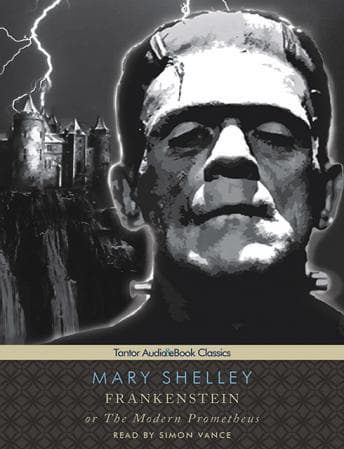
That line hit me around the three-hour mark, and I had to pause the audiobook. Just... sat there in my car in the library parking lot like a complete weirdo, staring at nothing. Because here's the thing about Frankenstein that pop culture has completely butchered: the monster isn't the villain. He's the victim. And Simon Vance gets that.
The Voice That Haunted My Commute
I've listened to a lot of horror narrators. Most of them think horror means growling or whispering ominously at random intervals. Vance does something far more unsettling—he makes you understand everyone. Victor Frankenstein's obsession, his cowardice, his absolute refusal to take responsibility for what he's created? Vance delivers it with this educated, almost clinical detachment that makes Victor's moral failures hit harder. You're not listening to a villain monologue. You're listening to a man convince himself he's the victim of his own creation.
And then there's the creature.
Look, I grew up being told this book was about the dangers of "playing God." (Thanks, religious upbringing.) But listening to the creature's chapters—his loneliness, his desperate attempts to connect with humanity, his slow descent into rage after being rejected again and again—that's not a cautionary tale about science. That's a tragedy about abandonment. Vance shifts his performance just enough that you feel the creature's intelligence, his eloquence, his genuine confusion about why he's been cast out. It's devastating.
Where Shelley's Genius Clicks
Mary Shelley was eighteen when she wrote this. Eighteen. I was making terrible decisions about hair dye at eighteen, and she was writing one of the most influential horror novels in history. The nested narrative structure—letters containing stories containing other stories—could feel clunky in audio format, but Vance navigates the shifts cleanly. You always know whose voice you're hearing, even when you're three layers deep in the storytelling.
The pacing is... okay, I'll be honest. There are sections in the middle where Victor is wandering around the Alps having feelings, and it drags. I found myself speeding up to 1.25x during some of his more self-pitying moments. (The man creates life, abandons it immediately, and then spends chapters complaining about how hard his life is. Sir.) But when the narrative picks up—the creature's origin story, the confrontations, that absolutely gutting ending—the slower pace earlier almost makes sense. You've been lulled into this rhythm, and then Shelley just destroys you.
Shelley understood that horror isn't about gore—it's about dread. The real terror here isn't a monster lurking in the shadows. It's watching someone make terrible choices and knowing exactly how it's going to end. It's the creature asking "Why did you make me?" and Victor having no answer. It's the slow realization that the monster learned cruelty from humanity, not the other way around.
The Frankenstein You Thought You Knew
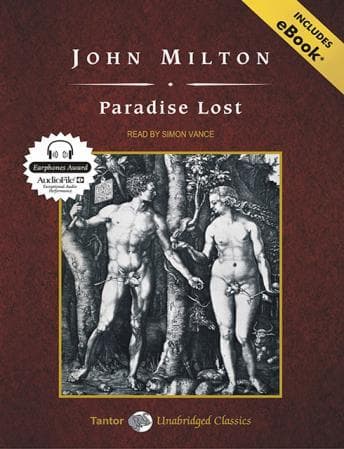
Forget Boris Karloff. Forget the flat-headed, bolts-in-the-neck imagery. Forget "It's alive!" (which isn't even in the book). The creature in Shelley's novel is articulate, well-read, and desperate for connection. He teaches himself to read using Paradise Lost, for crying out loud. Vance gives him this wounded dignity that made me genuinely angry at Victor—which I think is exactly the point.
My podcast listeners are going to love this, because it's a perfect example of how adaptations have completely missed what makes source material work. The 1931 film is iconic, sure, but it turned a complex meditation on creation, responsibility, and the nature of humanity into a straightforward monster movie. Shelley's novel is so much weirder and sadder and more interesting than that.
Shirley (my cat, not Jackson, though obviously named after her) was unimpressed when I tried to explain this to her at 11 PM. She walked away when I got to the part about the creature's found family in the cottage. Her loss.
Listen in the Dark? I Did.
Mistake? Maybe. Worth it? Absolutely. There's something about hearing this story rather than reading it that makes the emotional beats land differently. Victor's increasingly unhinged justifications. The creature's heartbreak. That final pursuit across the ice. Vance commits to all of it without ever tipping into melodrama.
Who should listen: If you've only ever encountered Frankenstein through movies and Halloween costumes, this audiobook is going to mess with your head—in the best way. If you read it in high school and remember it as dry and slow, give it another shot. Who should skip: If you need fast pacing and can't handle Victor's extended Alpine brooding sessions, you might struggle with the middle stretch.
The Monster We Made
This isn't a monster story. It's a tragedy about what happens when we create something and refuse to love it. To Kill a Mockingbird explores a different kind of abandonment—how society creates outcasts and then punishes them for existing—but the heartbreak lands the same way. And honestly? That's way scarier than any creature lurking in the dark.